Diabetes is a common chronic disease that can be challenging to manage, as it does not always present immediate symptoms. Many people in Mali are unaware they have the condition until it is too late. According to health experts, simple and practical steps can be taken to prevent and manage diabetes. These steps include reducing sugar consumption, eating a balanced diet, and engaging in physical activity.
One of the main causes of diabetes is excessive sugar consumption. Many Malians have a habit of drinking sweet tea or sugary beverages, which increases the risk of weight gain and type 2 diabetes. To reduce this risk, experts recommend gradually reducing sugar intake. For example, if one normally takes five teaspoons of sugar in their tea, they can start by reducing it to three teaspoons and then to one teaspoon.
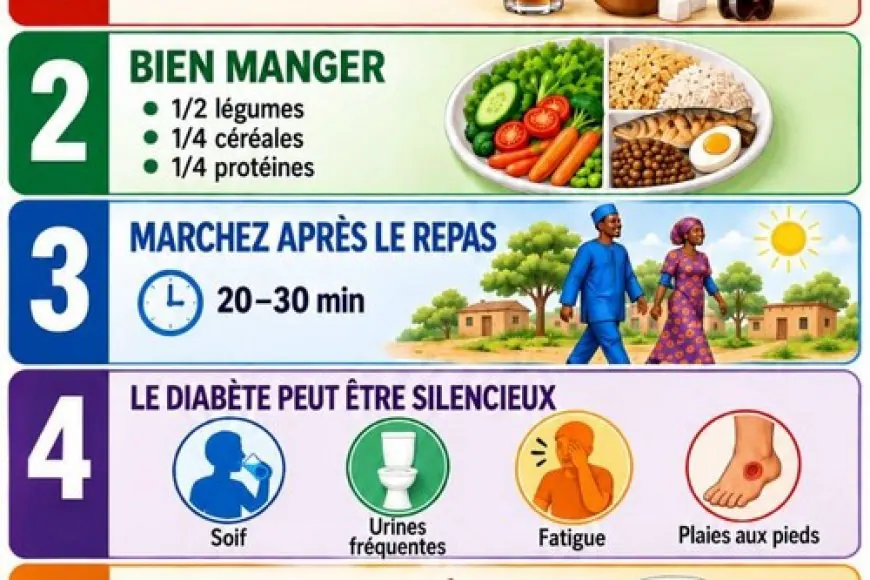
A balanced diet is also essential in managing diabetes. Contrary to popular belief, being diabetic does not mean one has to give up staple foods like rice, millet, maize, or sorghum. The key is to control the quantities and balance them with other nutrients. A simple method is to divide the plate into three sections: half for vegetables, a quarter for carbohydrates, and a quarter for legumes, fish, eggs, or meat.
Engaging in physical activity, especially after meals, is also crucial in managing diabetes. A 20-30 minute walk after eating can help the body use glucose, reducing post-meal blood sugar levels. Even a 10-minute walk can be beneficial for those who are elderly or have poor physical health. The goal is to engage in moderate physical activity that makes one slightly perspire.
Recognizing the warning signs of diabetes is also vital. Symptoms such as excessive thirst, frequent urination, fatigue, and slow-healing wounds can indicate high blood sugar levels. However, some people may not exhibit any symptoms at all. Therefore, it is essential to get regular blood sugar checks, especially for those who are overweight, have a family history of diabetes, or have previously had high blood sugar levels.
Patients with diabetes should not stop taking their medication without consulting their doctor. Even if blood sugar levels return to normal, it may be due to the medication, and stopping it can lead to complications. The decision to start, stop, or change medication should be made by a healthcare professional based on the patient's condition and blood sugar levels.
Finally, taking care of one's feet is crucial for people with diabetes. Poor blood sugar control can damage nerves and blood vessels in the feet, leading to reduced sensitivity and difficulty healing wounds. Daily foot checks can help identify any problems early on, reducing the risk of complications such as ulcers and amputations.
Key points
- Reduce sugar consumption to prevent and manage diabetes.
- Engage in physical activity, especially after meals, to control blood sugar levels.
- Get regular blood sugar checks to detect any potential problems early on.