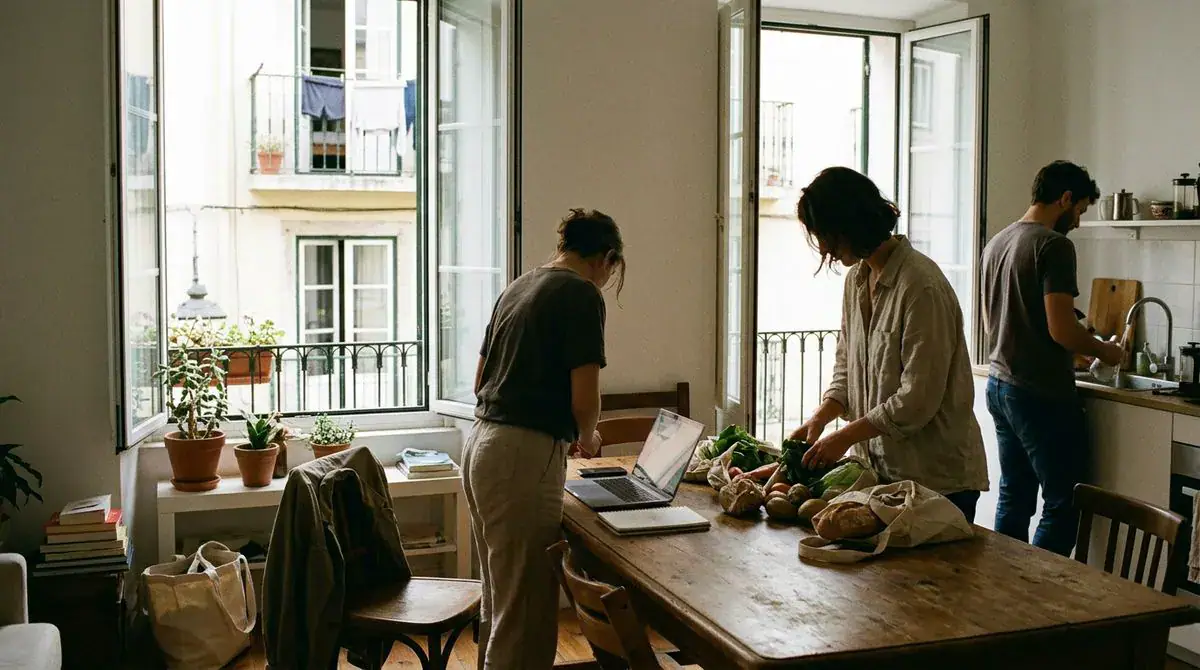
The boutique hospitality sector is undergoing a quiet transformation as travel habits evolve. Independent property owners, bed-and-breakfast operators, and boutique innkeepers are no longer hosting only brief weekend vacationers or corporate executives on overnight visits. Instead, an increasing number of patrons are long-term travelers, remote business operators, and global nomads who reside in different destinations for weeks or months at a time. This modern demographic blends professional responsibilities with personal exploration, requiring accommodations that support both daily work routines and restorative downtime.
Adapting a hospitality business to welcome extended-stay guests requires more than simply adjusting booking minimums. Property owners must reconsider how their spaces function on a day-to-day basis. From quiet task areas and reliable utilities to comfortable outdoor lounges and neighborhood connections, every operational detail influences guest satisfaction and retention. By taking a deliberate and structured approach to space planning and guest services, lodging operators can build sustainable enterprises that appeal directly to modern lifestyle travelers.
Understanding the lifestyle of extended-stay travelers is crucial to designing appealing boutique accommodations. Unlike traditional tourists rushing through itineraries, extended-stay guests balance regular working hours with domestic routines. They look for environments that feel less like sterile hotel rooms and more like comfortable temporary residences where they can settle into productive rhythms. A significant element of this lifestyle involves adaptability, as travelers frequently transition between unfamiliar cities, searching for dependable locations where they can unpack, connect with peers, and maintain healthy daily habits.
Aspiring hospitality entrepreneurs benefit greatly from observing how experienced globetrotters navigate life across different continents. Independent perspectives found on community platforms illustrate how people manage long-term life and travel across diverse regions, highlighting the universal desire for stability, community, and straightforward living arrangements. By learning what extended-stay travelers value when exploring unfamiliar terrain, accommodation providers can anticipate practical guest needs with greater confidence.
Furthermore, extended-stay travelers appreciate straightforward communication and self-reliance. They often prefer properties that provide clear guidelines on arrival, easy access to laundry facilities, functional shared kitchens, and spaces where they can hold conversations without feeling out of place. When operators demonstrate an intuitive grasp of these expectations, guests feel understood and are far more likely to extend their stays or return in future seasons.
Designing functional work and living zones is critical to meeting the needs of modern travelers. One of the most frequent friction points in modern hospitality is the overlap between productivity and relaxation. Successful hospitality operators resolve this challenge by establishing distinct zones across the property, such as quiet corner libraries or dedicated desk lounges, allowing professionals to work comfortably without competing for table space in lively dining rooms.
To ensure a harmonious and comfortable stay for extended-stay guests, boutique accommodations must establish clear house standards and community norms. Rather than posting imposing lists of restrictions, successful operators communicate house norms with warmth and clarity during the check-in process, providing a concise physical handbook or digital welcome card that outlines core priorities, such as designated quiet hours in shared workspaces and sleeping corridors.
Key points
- Boutique hospitality sector is transforming to meet the needs of long-term travelers and remote workers.
- Adapting to extended-stay guests requires reconsidering space functionality and operational details.
- Understanding extended-stay travelers' lifestyle and values is crucial to designing appealing boutique accommodations.