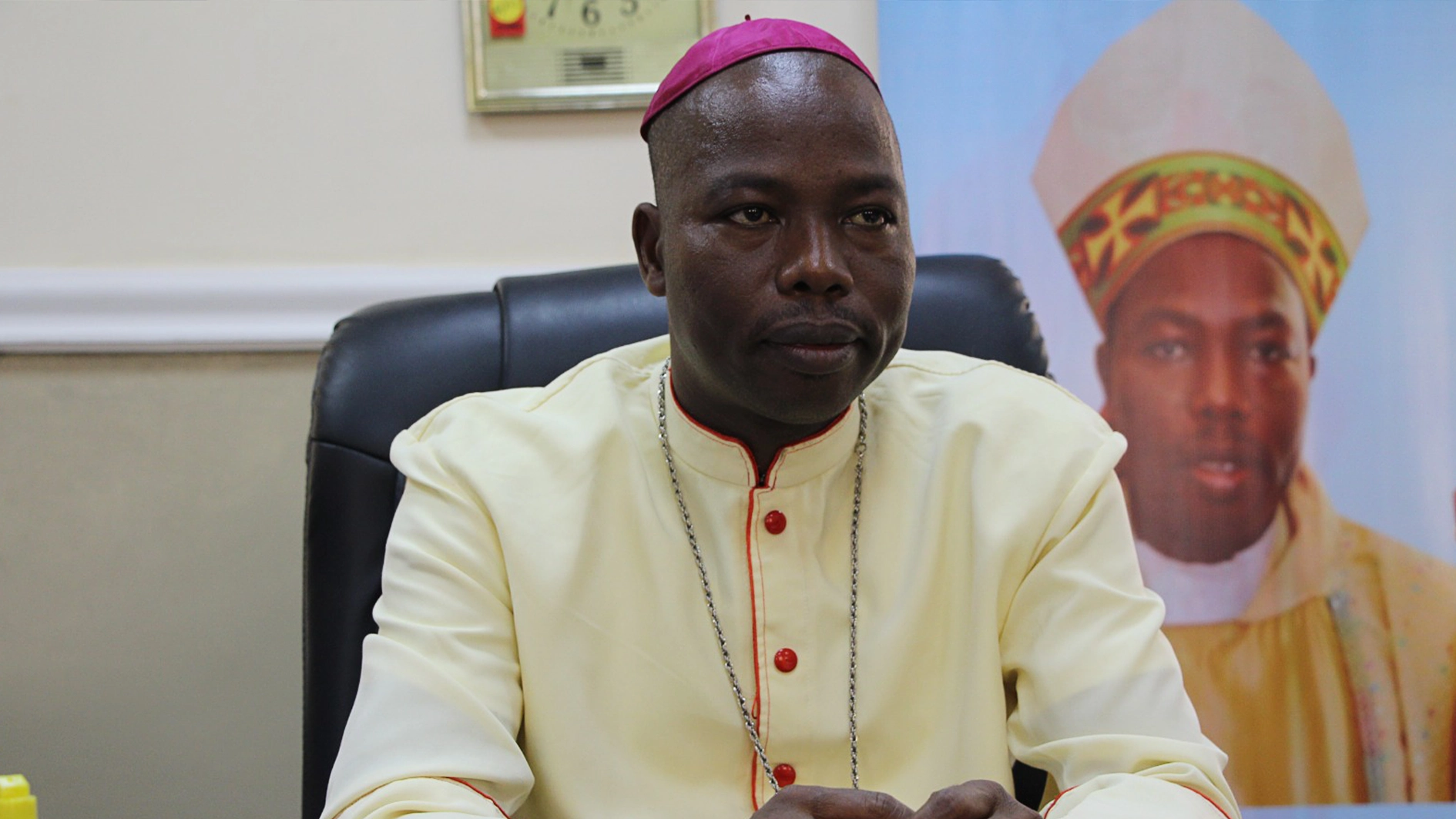
The Catholic Bishop of Yola Diocese, Stephen Dami Mamza, has called on people of Northern Nigeria to take a leading role in addressing the insecurity and mass displacement ravaging the region. He made this appeal during a Mass to mark the World Day of Migrants and Refugees at Christ the King Catholic Church in Yola. Mamza emphasized that the crisis could not be resolved by government action alone and stressed the need for communities and citizens to play an active role in confronting its root causes.
Mamza noted that many factors driving insecurity and displacement in Nigeria are concentrated in the northern region, making it imperative for its people to take a leading role in finding lasting solutions. He cited a 2025 report by the United Nations refugee agency, which stated that about 117.8 million people had been forcibly displaced worldwide, with millions affected across sub-Saharan Africa. Nigeria accounts for about 3.7 million displaced people, with the North-East, North-West, and North-Central regions bearing a significant share of the burden.
The bishop lamented that persistent insecurity had destroyed communities, separated families, and forced thousands of people from their homes, particularly across northern Nigeria. He urged Christians to translate their faith into practical acts of compassion, stressing that genuine commitment to humanity must go beyond words and religious declarations. Mamza also called for stronger cooperation among citizens, government institutions, religious organisations, and traditional authorities, saying collective action was essential to restoring peace.
Mamza appealed to political, religious, and traditional leaders in the North-East to set aside political and other interests and prioritise peace, justice, security, and the resettlement of displaced persons. He acknowledged that the government has the primary responsibility to protect citizens but stressed that communities in the North must also play a decisive role in ending the crisis. The bishop made this appeal while speaking on the theme, “Even Just One of These Children.”
According to Mamza, communities must complement government efforts by promoting peace and addressing factors contributing to insecurity and displacement. He emphasized that collective action was crucial to creating conditions for displaced persons to return home. The bishop’s call for collective action highlights the need for a multi-faceted approach to addressing the complex issues of insecurity and displacement in Nigeria.
The World Day of Migrants and Refugees is an annual event that seeks to raise awareness about the plight of migrants and refugees worldwide. Mamza’s message is particularly significant in the context of Nigeria’s ongoing security challenges, which have resulted in widespread displacement and humanitarian crises. His call for northerners to take greater responsibility for addressing insecurity and displacement underscores the need for local solutions to local problems.
Mamza’s advocacy for a more proactive role for northerners in addressing insecurity and displacement is a clarion call for collective action. As the situation in northern Nigeria continues to evolve, it remains to be seen how his message will be received and acted upon by stakeholders. One thing is certain, however: the issue of insecurity and displacement in Nigeria requires a sustained and multi-faceted approach that involves government, citizens, and other stakeholders working together to find lasting solutions.
Key points
- The Catholic Bishop of Yola Diocese, Stephen Dami Mamza, urges northern Nigerians to take a leading role in addressing insecurity and displacement in the region.
- Insecurity and displacement in Nigeria are concentrated in the northern region, with 3.7 million displaced people nationwide.
- Mamza calls for collective action among citizens, government institutions, and traditional authorities to restore peace and create conditions for displaced persons to return home.