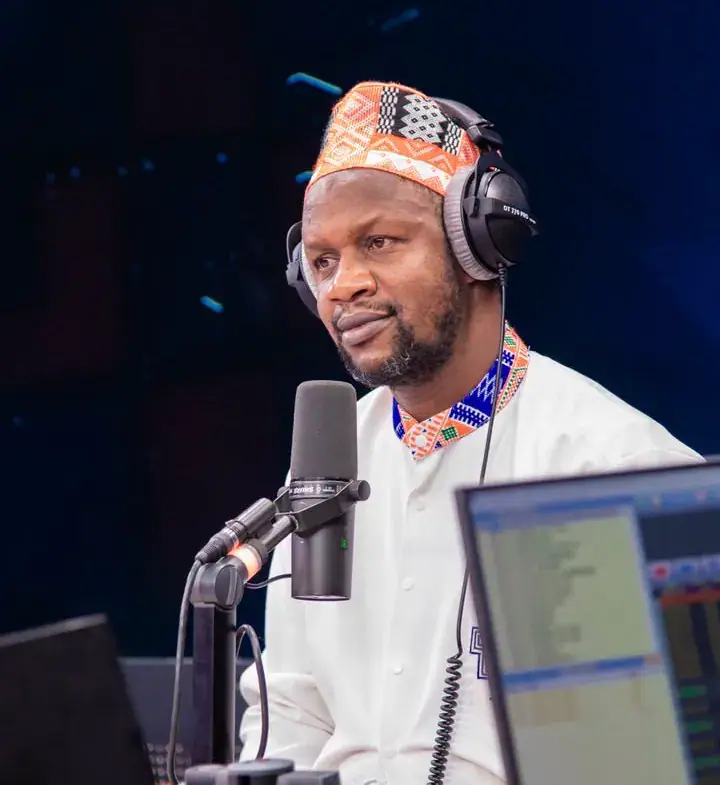
Guinean cultural entrepreneur and former national councilor Mamadou Thug has weighed in on the ongoing debate about the state's role in supporting the country's cultural industry. In a recent statement, Thug emphasized that artists' autonomy requires a genuine commitment from the state. He argues that the current system, where the state purchases concert tickets, should be reevaluated to encourage more financial responsibility among artists and event organizers.
Thug's comments come as the Guinean cultural community continues to discuss the state's role in financing cultural events. While he agrees that artists should be more autonomous, he warns that this autonomy must be built gradually, taking into account the sector's economic realities. The low purchasing power of the population, high production costs, and limited funding are significant challenges that artists and promoters face, and Thug believes that any reduction in state support must be accompanied by alternative solutions.
To achieve financial autonomy, Thug proposes a new approach to cultural financing. He advocates for a transparent subsidy mechanism for cultural initiatives led by legally constituted structures that meet administrative requirements. Thug also calls for better relations between promoters, private companies, banks, and financial institutions to make culture a viable sector for investment and wealth creation.
Thug stresses the importance of equity in allocating public support, arguing that no artist or promoter should be favored over others based on opaque considerations. He suggests that the criteria for financing should be clearly defined, accessible, and applicable to all. Thug also draws inspiration from the experience of public financing for the press to inform a more structured support policy for all cultural professions.
Thug also emphasizes that the Guinean cultural industry extends beyond music to include theater, cinema, humor, dance, audiovisual production, technical professions, and event organization. He believes that all these professionals contribute to the country's cultural and economic vitality and deserve institutional attention tailored to their realities.
Ultimately, Thug sees the issue as part of a broader debate about the future of Guinea's cultural industry. He urges the Ministry of Culture to adopt a new vision that prioritizes building a sustainable and competitive cultural sector. This involves creating an environment that fosters strong cultural enterprises, professional artistic careers, and a more significant role for private investment.
Thug's call for change is rooted in his desire to see a thriving Guinean cultural industry that creates jobs, generates revenue, and promotes the country's image globally. He believes that a well-structured and autonomous industry can be achieved through a collaborative effort between the state, the private sector, and cultural professionals.
Key points
- Mamadou Thug advocates for a more sustainable economic model for Guinea's cultural industry.
- He proposes a transparent subsidy mechanism for cultural initiatives and better relations between promoters and financial institutions.
- Thug emphasizes the need for equity in allocating public support and a more structured policy for cultural professions.