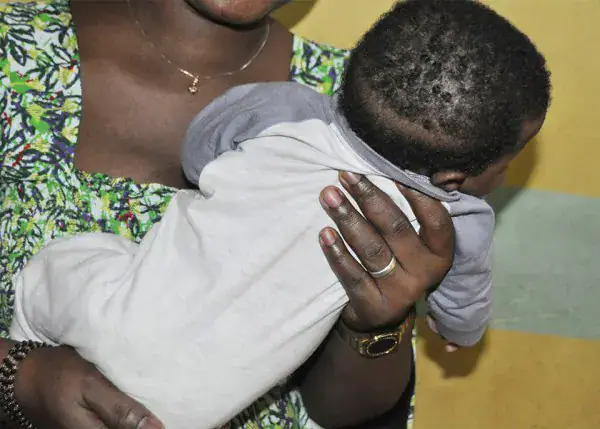
In Mali, breastfeeding mothers face significant challenges in accessing balanced nutrition, a crucial aspect of maintaining their health and ability to nourish their babies. A well-balanced diet is essential for mothers to produce sufficient milk and ensure the optimal growth and development of their infants. However, many Malian mothers, particularly those in rural areas, encounter difficulties in accessing nutritious food, which can have far-reaching consequences for their health and well-being.
The issue of nutrition for breastfeeding mothers is part of a broader context of challenges faced by women in Mali, particularly in areas affected by mining activities and limited access to agricultural land. Women in these regions often experience persistent inequalities that undermine their economic activities and autonomy. To address these concerns, a recent meeting was held in Bamako to raise awareness and mobilize action among decision-makers.
The challenges faced by breastfeeding mothers in Mali are further complicated by the country's broader economic and development context. Mali, like many other African nations, is working to strengthen its economic and social infrastructure, including its healthcare systems. However, progress is often hindered by factors such as limited resources, inadequate infrastructure, and the impacts of climate change.
In an effort to address some of these challenges, the Malian government and various stakeholders have launched initiatives aimed at supporting women's economic empowerment and improving access to healthcare services. For example, the Programme de développement de la zone spéciale de transformation agro-industrielle des Régions de Koulikoro et de la périphérie de Bamako (PDZSTA-KB) has allocated a budget of over 6.02 billion Fcfa for 2027 to support the development of the special agro-industrial transformation zone.
Rural women in Mali, including those in areas such as Dialakoroba and Sikasso, play a critical role in the country's economy through their involvement in agricultural production, transformation, and commercialization. These activities contribute significantly to family economies and national development. However, these women often face significant challenges, including limited access to resources, markets, and social services.
The issue of nutrition for breastfeeding mothers also intersects with broader concerns about food security and sustainable agriculture in Mali. The country is working to strengthen its agricultural sector, including through initiatives aimed at promoting sustainable farming practices and improving access to markets. However, more work is needed to address the complex and interconnected challenges faced by breastfeeding mothers and their families.
To address the challenges faced by breastfeeding mothers in Mali, a comprehensive approach is needed that takes into account the complex interplay of factors affecting their access to balanced nutrition. This includes initiatives aimed at improving access to healthcare services, supporting women's economic empowerment, and promoting sustainable agriculture practices. By addressing these challenges, Mali can work towards ensuring that all mothers have the support they need to nourish their babies and maintain their own health and well-being.
Key points
- Malian breastfeeding mothers face significant challenges in accessing balanced nutrition, impacting their health and ability to nourish their babies.