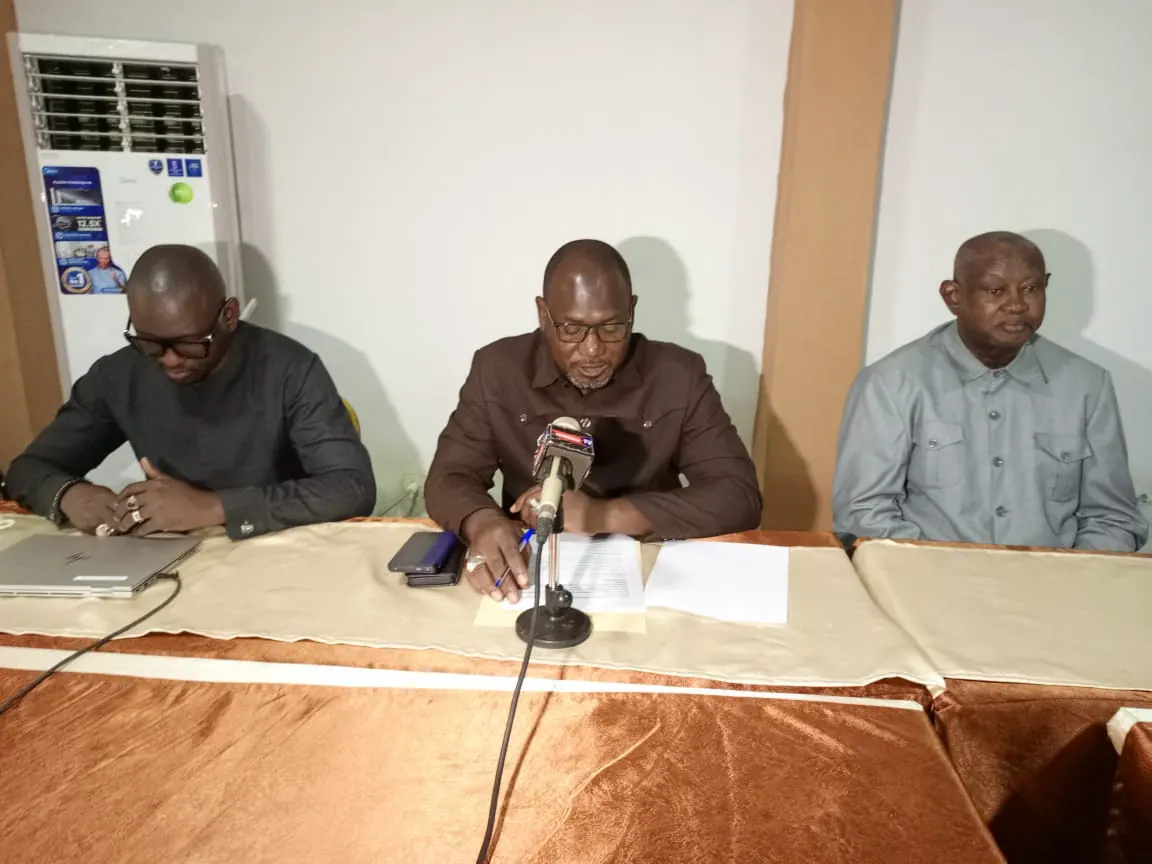
The Republic of Mali has taken a significant step in assessing the living conditions of its population with the official presentation of the results of the first and second trimesters of the Modular and Permanent Household Survey (EMOP). The survey, conducted in collaboration with the United Nations Development Programme (PNUD) and the World Bank, provides valuable insights into the country's social situation. The INSTAT-organized workshop brought together representatives from various stakeholders, including government agencies, technical and financial partners, media outlets, and civil society organizations.
The survey aimed to strengthen the exchange of information between INSTAT and users of statistics, improve the relevance and usefulness of statistical products, and provide a barometer to evaluate progress in human and community development. The results highlight the dynamics of poverty, inequality, and household resilience, offering a comprehensive picture of the country's social situation. According to Dr. Arouna Sougané, Director-General of INSTAT, the survey's findings will help identify key challenges and inform public policy decisions.
The EMOP survey, conducted since 2011, is a data collection tool that tracks public policies, including the Sustainable Development Goals (SDGs) and sectoral policies. The 2022-2026 survey used the 2022 Population and Housing Census as its sampling frame. The data collection process involved 2,400 sampled clusters, with 2,300 successfully surveyed, and 14,586 households interviewed, achieving a 94.5% success rate. The survey covered various aspects, including education, health, electricity, access to clean water, food security, and consumption.
The survey's findings reveal that health insurance coverage remains limited, with only 37% of the population covered nationally, 10% in Bamako, and 32.6% among individuals with higher education. Regarding total consumption expenditure, 61.3% of expenditures were made in rural areas, with an average of 732,777 FCFA per household, compared to 1,102,473 FCFA in urban areas. The survey also found that purchases account for 83.2% of consumption, while self-consumption accounts for 11.8%.
Massa Diakité of INSTAT emphasized that the survey's results show progress in access to essential services but also highlight persistent disparities based on residence, sex, age, and region. The findings call for more integrated, targeted, and territorialized public policies to accelerate improvements in living conditions and achieve the SDGs. The survey's results will inform decision-making and policy development, ensuring that statistics are used effectively to drive development.
The INSTAT workshop aims to promote a dialogue between producers and users of statistics, ensuring that data is used to drive research, analysis, and innovation. Dr. Sougané stressed that data production has a significant impact only when it is known, understood, and effectively used. The survey's findings will be used to improve the lives of Malians, and INSTAT is committed to producing high-quality data that informs public policy and decision-making.
The presentation of the survey's findings marks a significant milestone in Mali's efforts to monitor and evaluate its progress in human and community development. The results will be used to inform policy decisions and ensure that the country's development goals are achieved. Key stakeholders, including government agencies, technical and financial partners, and civil society organizations, will use the findings to drive development and improve the lives of Malians.
Key points
- The survey's findings highlight the need for targeted public policies to address persistent disparities in living conditions, poverty, and inequality.