In commemoration of World Stroke Day, Mali's medical professionals have launched a series of initiatives aimed at combating the growing threat of stroke in the country. The Société malienne de neurologie (SMN), a leading medical organization, has spearheaded educational programs in hospitals across Bamako and other regions to raise awareness about stroke prevention and treatment among healthcare workers.
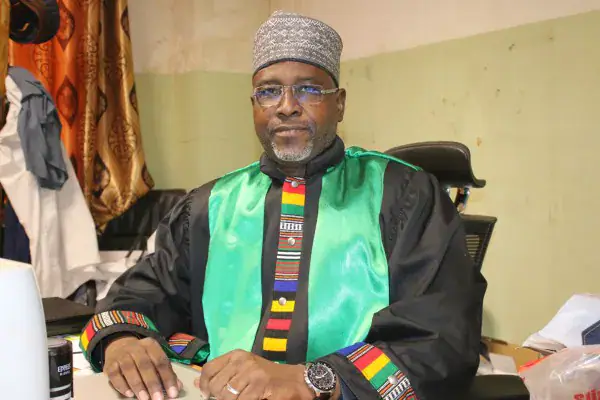
According to SMN President Pr Youssoufa Maïga, these training sessions are crucial as not all healthcare professionals have direct experience with stroke cases due to their various specialties. He emphasized that since the beginning of the week, numerous training sessions have been conducted in Bamako and other regions to equip healthcare workers with the necessary knowledge and skills to handle stroke cases effectively.
Pr Maïga highlighted significant progress in stroke care in Mali over the past decade. He noted that the country had only one or two neurologists ten years ago, but now boasts around 50 neurologists, thanks to supportive policies and training programs implemented by the authorities. This increase in specialized medical professionals is expected to substantially improve stroke care in Mali.
The SMN president also pointed to advancements in diagnostic capabilities, citing the widespread availability of imaging technologies like computed tomography (CT) scans in most reference health centers and access to essential medications. These developments have significantly enhanced the country's ability to diagnose and treat stroke cases promptly.
Despite these advancements, Pr Maïga acknowledged that challenges persist, particularly in addressing the acute phase of stroke and its long-term consequences. He stressed the need for comprehensive care that encompasses both immediate treatment and rehabilitation. To address this, the SMN is working closely with the Ministry of Health to establish a streamlined care pathway for stroke patients in emergency services.
Pr Maïga revealed that stroke is currently the leading cause of admission in Malian emergency services, as well as a major cause of disability and dementia worldwide. He cited statistics indicating that three years ago, the mortality rate for stroke in Mali was above 20%. The SMN president emphasized that stroke is often linked to hypertension, diabetes, sedentary lifestyles, and obesity, and is increasingly affecting younger populations.
To combat the rising incidence of stroke, Pr Maïga urged the public to adopt healthier behaviors, such as regular exercise and a balanced diet. He also advised against delaying medical attention, recommending that stroke victims be taken to the hospital within three hours of the incident. By promoting awareness and improving healthcare infrastructure, Mali aims to mitigate the impact of stroke on its population.
Key points
- Mali has made significant progress in improving stroke care, with the number of neurologists increasing from one or two to around 50 over the past decade.