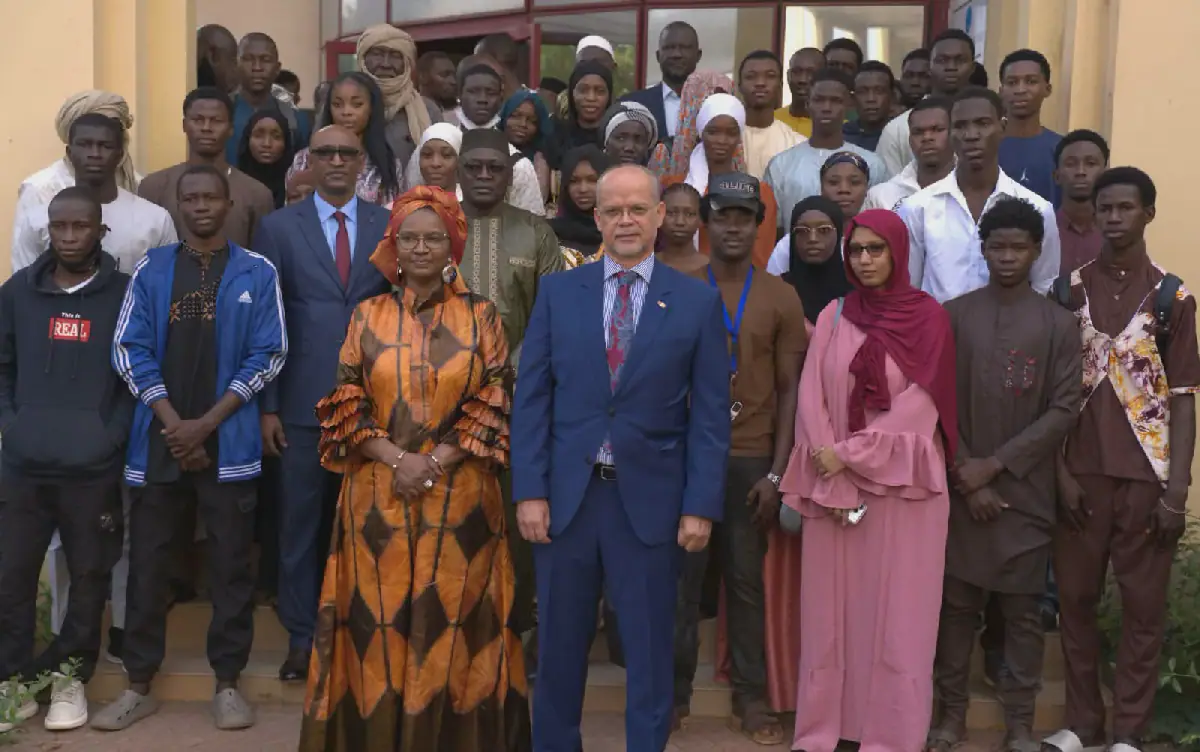
The Malian government has sent 100 students to Morocco for professional training, marking a significant step in the country's efforts to develop its human capital. The initiative, led by Minister of National Entrepreneurship, Employment, and Professional Training Oumou Sall Seck, aims to provide Malian youth with quality training and adapt their skills to the current job market. This move aligns with the transition authorities' vision, prioritizing national development and economic competitiveness.
The first group of 67 students has departed for Morocco, with a second group of 33 students set to follow, making a total of 100 beneficiaries. This program is a result of cooperation between Mali and Morocco, demonstrating their shared commitment to developing human capital. Minister Seck emphasized that professional training is crucial for Mali's sovereignty, economic competitiveness, and job creation.
The program seeks to modernize Mali's national professional training system, enhance technical qualifications, and adapt skills to meet current and future economic needs. Minister Seck expressed her gratitude to King Mohammed VI of Morocco and Ambassador Driss Isbayene for their support in making this initiative a reality. She encouraged the students to be diligent and make the most of this opportunity.
The Moroccan ambassador to Mali, Driss Isbayene, urged the students to be assiduous and determined in their studies, ensuring that Mali benefits from their skills upon their return. The students have pledged to work hard and make the most of this opportunity. Bassirou Sissoko, speaking on behalf of the beneficiaries, thanked the Malian and Moroccan authorities for their support.
This initiative illustrates the strong bilateral cooperation between Mali and Morocco, with Morocco contributing significantly to Mali's efforts to provide its youth with diverse and quality training opportunities. The program is expected to enhance the skills and competencies of Malian students, enabling them to contribute to the country's development upon their return.
Minister Seck highlighted that the Malian government is committed to developing its human capital, with professional training being a key aspect of this strategy. She emphasized that the government will continue to work towards creating opportunities for Malian youth to acquire skills and expertise that meet international standards.
The students will undergo professional training in various fields, enhancing their skills and competencies to meet the demands of the current job market. Upon completion of their training, they are expected to return to Mali and contribute to the country's economic development. The program is a significant step towards achieving Mali's development goals and promoting economic growth.
Key points
- The program aims to develop Mali's human capital by providing 100 students with professional training in Morocco.