Egyptian cinema is celebrating a milestone anniversary, marking 130 years since its first cinematic screening in Alexandria in November 1896. The industry has undergone significant transformations since then, with the latest technological revolution changing the landscape of filmmaking. Smartphones have become versatile tools for young creators, enabling them to produce, edit, and publish their work quickly. Editing software and visual effects tools are now more accessible and affordable.
The technological revolution has opened up new opportunities for filmmakers, allowing them to produce high-quality content with modest resources. However, this shift also raises questions about creative freedom and the role of digital platforms in shaping the industry. According to experts, the freedom to produce a film is not the same as the freedom to reach audiences or maintain artistic and economic independence. The digital ecosystem, governed by platform algorithms and user data, has become a new gatekeeper in the industry.
The concept of platformisation of cultural production, developed by researchers David Nieborg and Thomas Poell in 2018, explains how digital platforms have become intertwined with cultural production. Cultural products are now increasingly dependent on audience data and engagement metrics, making them susceptible to modification and restructuring in response to the demands of the digital environment. This shift has significant implications for filmmakers, who must now navigate a complex and less transparent digital ecosystem.
The traditional cinema industry was capital-intensive, requiring substantial financing, specialised equipment, and established distribution and exhibition networks. Major institutions controlled which ideas were transformed into films. Digital transformation has reduced production costs, allowing filmmakers to publish their work directly without traditional intermediaries. Ultra-short films, in particular, can convey powerful messages with modest funding.
Despite the benefits of technological advancements, disparities in experience, resources, and audience reach persist. A good film still requires a coherent concept, cinematic language, and mastery of image composition, sound, and rhythm. Technology has broadened participation but not eliminated existing inequalities. The relationship between creative work and audience has changed, with digital platforms becoming the primary channels for film distribution.
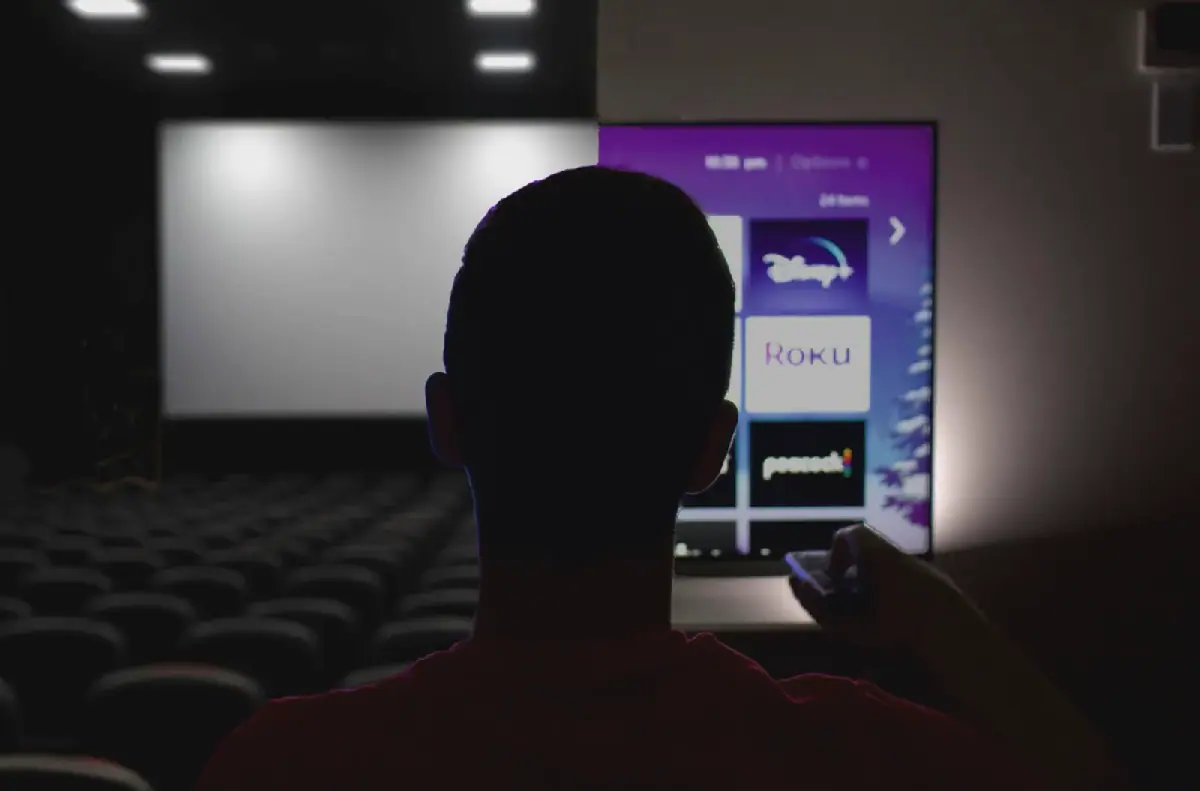
Digital platforms are not neutral gateways; they have their own rules for organising content, determining visibility, and shaping circulation prospects. The algorithm-driven recommendation systems determine what users see and what remains invisible, based on viewing histories, interaction time, likes, and shares. This raises concerns about the homogenisation of cultural taste and the ability of local productions to find audiences.
As Egyptian cinema continues to evolve, it must balance the benefits of technological advancements with the need to maintain creative freedom and artistic independence. The industry must navigate the complexities of the digital ecosystem, ensuring that filmmakers can produce high-quality content while retaining control over their work. The future of Egyptian cinema depends on finding a balance between technological innovation and artistic expression.
Key points
- Egyptian cinema marks 130th anniversary amid technological revolution
- Digital platforms have become new gatekeepers in the industry, shaping content and audience reach
- The industry must balance technological advancements with the need to maintain creative freedom and artistic independence
Reporting sources
- New face of cinema: Creative freedom in age of algorithmic control · Daily News Egypt