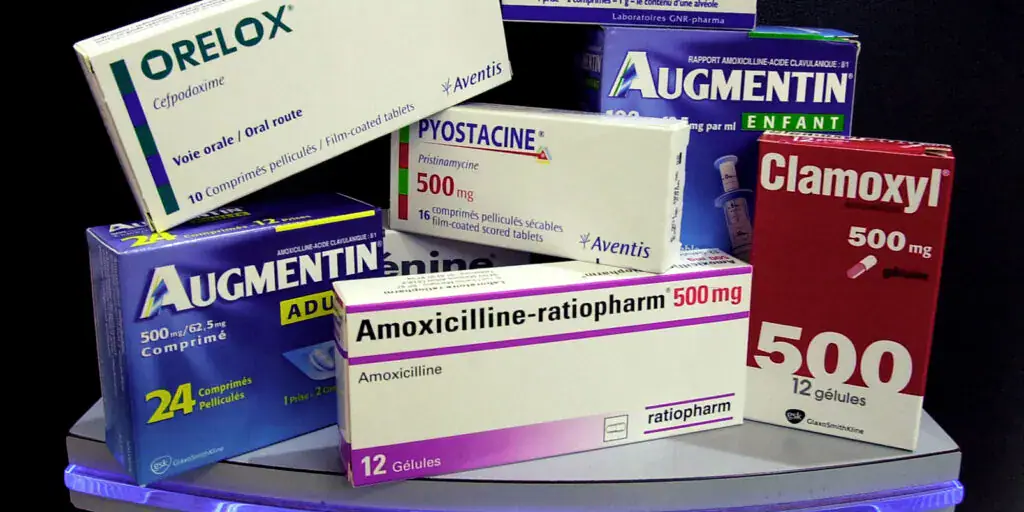
The misuse of antibiotics in Mali has become a significant public health concern, with many individuals purchasing these medications without a prescription. This practice, often driven by economic constraints, can lead to severe health and economic consequences. According to Moussa Traoré, a motorcycle repairman, the high cost of medical care prompts some people to opt for self-medication. He shared an experience where his brother's throat infection was treated with antibiotics purchased from an informal market vendor for a fraction of the cost of a doctor's prescription.
The issue of self-medication with antibiotics is further complicated by the lack of awareness about their proper use. Dr. Boubacar Karabenta, a medical professional, emphasized that antibiotics are only effective against bacterial infections and not against viral infections such as the common cold or flu. He warned that the unjustified use of antibiotics contributes to the development of bacterial resistance, rendering these medications less effective in the long run. This concern is particularly relevant in Mali, where access to healthcare services and accurate information about medication can be limited.
A recent study conducted at the Faculty of Pharmacy in Bamako found that 89.2% of 213 healthcare personnel surveyed reported dispensing antimicrobials without a prescription. In 44.1% of cases, the requested product was handed directly to the customer. The study also revealed that sore throat and tonsillitis were among the primary reasons for requesting antibiotics. These findings suggest that the problem of self-medication with antibiotics extends beyond informal market vendors to include some healthcare providers.
The consequences of self-medication with antibiotics can be severe, including the selection of an inappropriate medication, incorrect dosage, or inadequate treatment duration. According to Ibrahim Coulibaly, a urologist, these practices can lead to treatment failure and increased healthcare costs in the long run. In some cases, laboratory tests may be necessary to identify the causative agent and guide treatment. An antibiogram, a test of bacterial sensitivity to different antibiotics, can help healthcare providers choose the most effective treatment.
For patients with limited financial resources, the initial cost of self-medication may seem appealing, but it can ultimately lead to greater expenses. If the initial treatment fails, patients may need to seek additional medical care, change medications, or be hospitalized. Dr. Bréhima Sidibé, a pharmacist, noted that the cost of medications and lack of information are key factors driving patients to seek antibiotics from informal sources.
The World Health Organization and other global health authorities have launched campaigns to raise awareness about the risks of antimicrobial resistance. In Mali, efforts are being made to educate the public about the proper use of antibiotics and the dangers of self-medication. The Malian government and healthcare providers are working to improve access to healthcare services and promote responsible medication practices.
To combat the misuse of antibiotics, it is essential to address the root causes of self-medication, including limited access to healthcare services and lack of awareness about proper medication use. By promoting education and awareness, improving access to healthcare, and enforcing regulations on antibiotic dispensing, Mali can reduce the risks associated with self-medication and promote more responsible medication practices.
Key points
- The misuse of antibiotics in Mali contributes to the development of bacterial resistance, posing significant health and economic risks.
- Self-medication with antibiotics is driven by economic constraints and lack of awareness about proper medication use.
- Education and awareness campaigns, improved access to healthcare, and regulations on antibiotic dispensing are essential to combat the misuse of antibiotics in Mali.
Reporting sources
- Antibiotiques : L’automédication a un prix · Le Journal du Mali