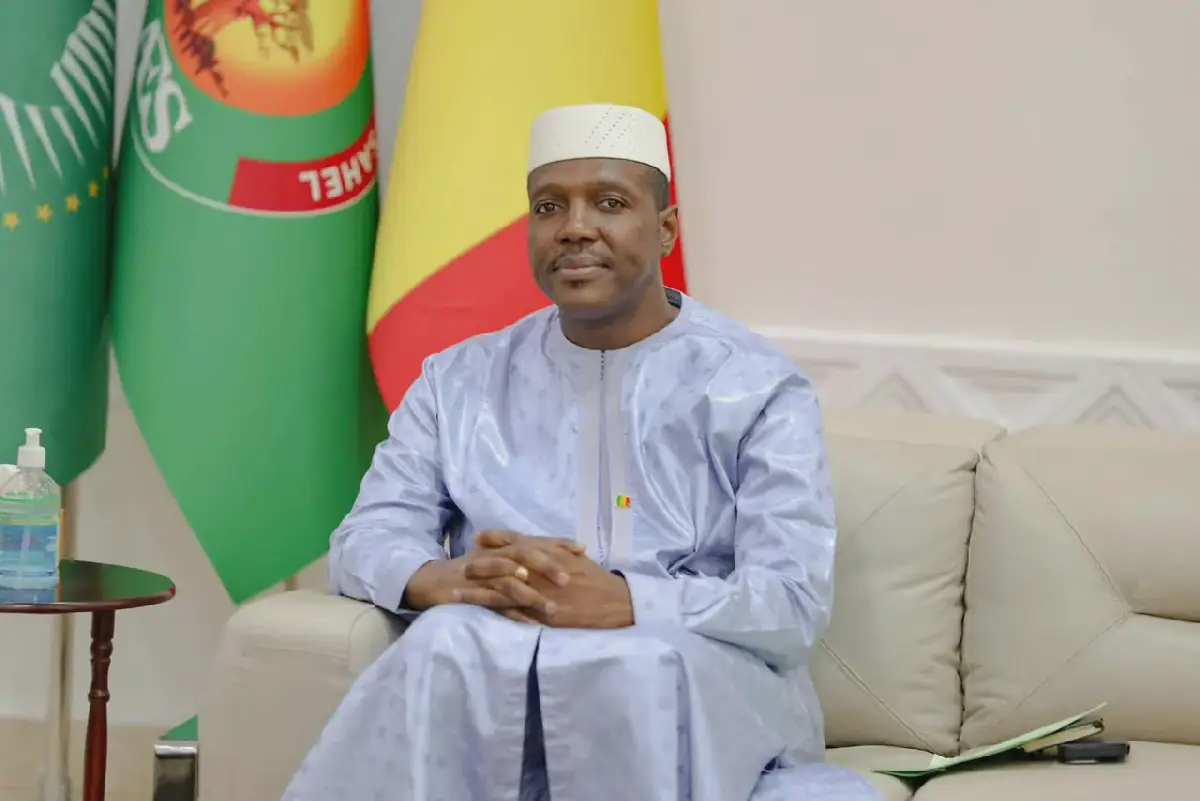
On October 29, Mali's Prime Minister, Abdoulaye Maïga, called on the public, religious leaders, and civil society to unite against extremist discourse and promote social cohesion. Speaking at the official ceremony for the Bamako Document, aimed at deconstructing extremist discourse in Mali, Maïga emphasized the need for a collective effort to counter hate speech, misinformation, and the manipulation of religion for divisive and violent purposes.
The Bamako Document was developed by the Malian High Islamic Council and brings together various stakeholders to promote a peaceful and responsible religious discourse. Maïga commended the initiative and congratulated those involved in creating the document. He highlighted the risks posed by hate speech, misinformation, and the instrumentalization of religion, which can weaken social fabric and expose young people to ideological manipulation.
Maïga stressed the crucial role of religious leaders in promoting tolerance, mutual respect, and peaceful coexistence. He noted that Mali's diverse religious and cultural heritage is a collective asset that must be preserved and passed on to future generations. The Prime Minister also praised the Defense and Security Forces for their commitment to protecting people and property and defending territorial integrity.
However, Maïga emphasized that a comprehensive approach is needed to combat violent extremism, combining security measures, awareness-raising, and dialogue with communities. He mentioned the Committee for Reflection on the Prevention of Troubles in the Religious Space, established by President of the Transition, General Assimi Goïta, and underlined the importance of consultation among religious actors to preserve peace and prevent community tensions.
The Prime Minister invited religious organizations, civil society actors, and competent institutions to disseminate the Bamako Document and implement its recommendations, translating commitments into concrete actions for peace and national unity. Maïga's call for collective action reflects the government's efforts to address the complex challenges posed by extremist discourse in Mali.
The ceremony took place at the Bamako International Conference Center, bringing together various stakeholders to discuss the issue of extremist discourse. The Bamako Document is seen as a key tool in promoting a culture of peace and responsibility in Mali. Its implementation will require collaboration and commitment from all stakeholders.
The fight against extremist discourse is a pressing concern in Mali, where the security situation remains fragile. The government's efforts to promote social cohesion and prevent the spread of extremist ideas are crucial to maintaining peace and stability in the country.
Key points
- Mali's Prime Minister Abdoulaye Maïga calls for collective action against extremist discourse
- The Bamako Document aims to promote a peaceful and responsible religious discourse
- A comprehensive approach is needed to combat violent extremism in Mali