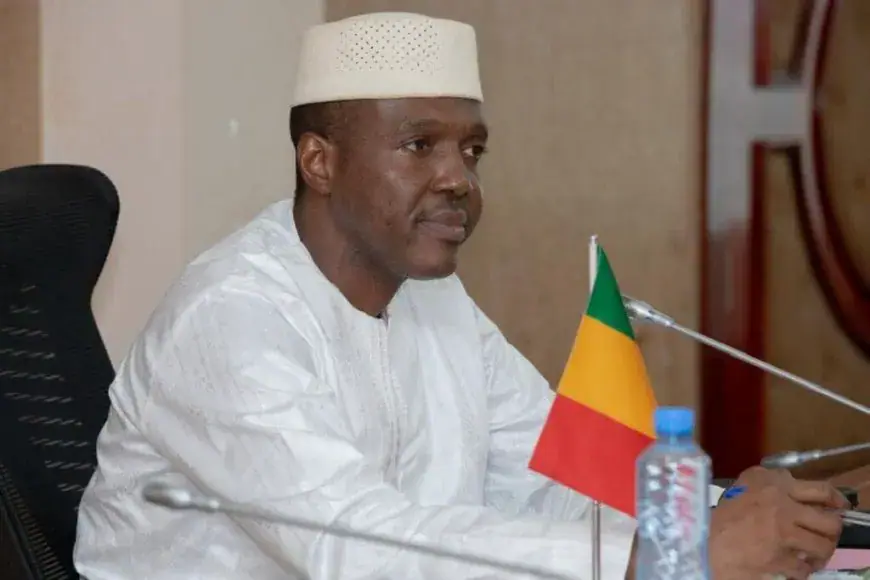
Mali's Prime Minister, General Abdoulaye Maïga, departed Bamako on November 10, 2026, for Antalya, Türkiye, to represent the country's President at the 31st United Nations Climate Change Conference (COP31). The conference, scheduled from November 9 to 20, brings together global leaders, government representatives, international organizations, scientists, and civil society actors to address climate change issues. Maïga aims to convey Mali's message on the international stage and engage in discussions on collective responses to climate challenges.
COP31 focuses on accelerating greenhouse gas emission reductions, enhancing adaptation capacities in vulnerable countries, and mobilizing necessary climate finance. The Turkish presidency prioritizes transforming international commitments into concrete, measurable outcomes, with an emphasis on energy transition, low-carbon industrialization, food security, urban resilience, and ocean and ecosystem protection. Climate finance will be a key discussion point, particularly in facilitating access to financial resources and technologies for developing countries to adapt to climate change.
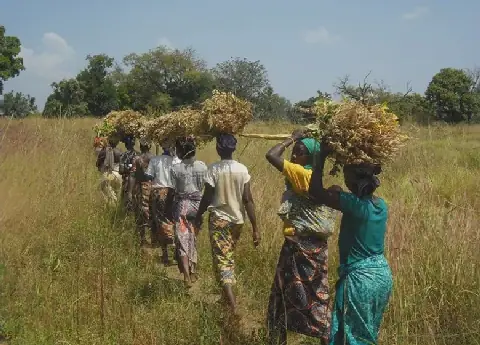
The conference builds on the decisions of COP30, held in November 2025 in Belém, Brazil, which highlighted the need for $1.3 trillion in annual climate finance by 2035 to support global climate action. COP30 also called for tripling climate adaptation financing by 2035 and strengthening support mechanisms for countries affected by climate-related losses and damages. For Sahel countries, including Mali, these issues are particularly pressing due to recurring droughts, desertification, land degradation, and food insecurity.
Mali's participation in COP31 is crucial for promoting international cooperation, accessing climate finance, and supporting adaptation policies in vulnerable countries. The country's representatives will engage in discussions on collective responses to climate challenges, emphasizing the need for concrete actions and commitments. Maïga's attendance demonstrates Mali's commitment to addressing climate change and its impacts on the country's development.
The Sahel region faces significant climate-related challenges, including desertification, droughts, and land degradation. These issues have severe consequences for food security, human health, and economic development. By participating in COP31, Mali aims to raise awareness about these challenges and advocate for increased international support to address them.
Türkiye's presidency of COP31 highlights the importance of transforming international commitments into tangible results. The conference provides a platform for countries to share experiences, best practices, and innovative solutions to address climate change. Mali's participation will help shape the global climate agenda and ensure that the country's needs and priorities are taken into account.
The outcome of COP31 will be crucial in determining the future of global climate action. The conference aims to accelerate progress on climate change mitigation, adaptation, and finance. Mali's Prime Minister Abdoulaye Maïga will play a key role in representing the country's interests and advocating for collective responses to climate challenges.
Key points
- Mali's Prime Minister Abdoulaye Maïga attends COP31 in Türkiye to advocate for collective responses to climate challenges.
Reporting sources
- COP31 : Le Premier ministre malien Abdoulaye... · Maliweb.net