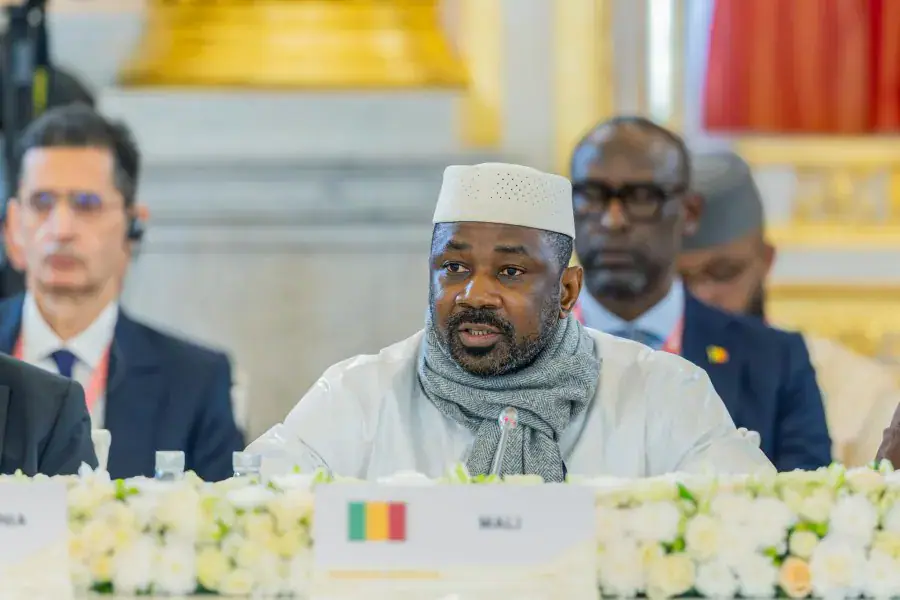
Mali's President Assimi Goïta has expressed satisfaction with the progress made on agreements signed during the previous Russia-Africa summit. He stated that 90% of the agreements have been implemented, with the remaining 10% in the process of being finalized. The implemented agreements have had a positive impact on various sectors, including higher education, mining, and energy.
In the education sector, the number of scholarships for Malian students to study in Russia has increased to 300. The mining sector has also seen significant progress, with the construction of a gold refining plant underway after the laying of the foundation stone. Additionally, the solar power plant project in Sanankoroba is making progress, despite a slight delay.
The third Russia-Africa summit has resulted in a new roadmap that covers agriculture, healthcare, education, and energy. New sectoral agreements have been ratified in Bamako and Russia, focusing on geological mapping, information systems, precious metal management, and anti-money laundering. The healthcare sector will also benefit from enhanced epidemiological surveillance and population well-being initiatives.
Mali has also partnered with the autonomous organization "Eurasia," which aims to promote international development in healthcare, culture, education, and infrastructure. Furthermore, Mali has strengthened its commercial ties with Russian companies, including truck manufacturer Kamaz, through signed protocols.
President Goïta emphasized the importance of rigorous standardization mechanisms to ensure the quality and conformity of imported goods, such as fertilizers. He stated that Mali will only accept investments that align with its strategic vision and needs, rejecting any financing that does not meet national aspirations.
The President also highlighted the potential for cooperation in new areas, including civil nuclear energy, artificial intelligence, and emerging technologies. He noted that the transfer of technological competencies is a priority, citing the example of the future Malian Space Agency, which will receive training for ten Malian students per year from Russia.
The military partnership between Mali and Russia has yielded significant successes, with over 300 Malian military personnel currently training in Russia to master new defense technologies. President Goïta praised the solidity of the cooperation, which has facilitated the acquisition of strategic equipment and resulted in joint victories on the ground, including the recent redeployment of the FAMa to Kidal.
Key points
- President Assimi Goïta says 90% of agreements from the previous Russia-Africa summit have been implemented.
- New sectoral agreements have been ratified in mining, energy, and healthcare.
- Mali and Russia have strengthened their commercial ties, including a partnership with truck manufacturer Kamaz.