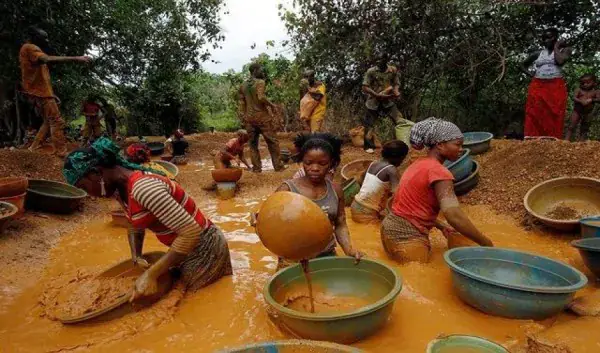
Illegal gold mining has become a significant challenge for Mali, with thousands of young people engaging in the activity due to limited economic prospects. The consequences of this trend are far-reaching, with agricultural lands being devastated, water sources polluted, and ecosystems fragile. The Malian government has taken steps to address the issue, but the root causes of the problem remain unaddressed. Many youths involved in illegal gold mining are rural residents who have lost faith in agriculture as a means of securing their future.
The issue of illegal gold mining in Mali is closely linked to the broader economic and social challenges facing the country. Many young people, including those displaced by conflicts in the Sahel region, are turning to gold mining as a means of survival. The sites have become a refuge for those seeking economic stability, with some viewing it as the only viable option for making a living. Closing down these sites without providing alternative solutions would only displace the problem rather than resolving it.
The Malian government has launched efforts to strengthen controls and regulate the gold mining sector, which provides a livelihood for thousands of families. However, the authorities need to address the underlying issues driving the trend of illegal gold mining. This includes investing in agriculture, vocational training, and employment opportunities to reduce the reliance on informal economic activities. The government must also consider the needs of displaced persons and ensure their inclusion in development policies.
Environmental degradation is a significant concern associated with illegal gold mining in Mali. The activity has resulted in pollution of water sources, degradation of land, and destruction of ecosystems. To mitigate these effects, the government must implement effective measures to monitor and regulate the sector. This includes enforcing existing laws and regulations, as well as providing support to miners to adopt more sustainable practices.
The issue of illegal gold mining in Mali highlights the need for a comprehensive approach to address the country's economic and social challenges. The government must prioritize investment in sectors that can provide sustainable employment opportunities, such as agriculture and vocational training. Additionally, the authorities must engage with local communities and involve them in the development of solutions to the problem of illegal gold mining.
The scale of the challenge posed by illegal gold mining in Mali is evident in the mass migration of workers to other countries in search of economic opportunities. The restrictive measures implemented in neighboring countries have led to a significant displacement of miners, highlighting the need for a regional approach to address the issue. The Malian government must work with international partners to develop effective solutions to the problem.
Ultimately, addressing the issue of illegal gold mining in Mali requires a long-term commitment to sustainable development and economic growth. The government must prioritize the needs of its citizens, particularly young people, and provide them with viable alternatives to informal economic activities. By doing so, Mali can reduce its reliance on gold mining and create a more stable and prosperous future for its citizens.
Key points
- The Malian government must address the root causes of illegal gold mining, including lack of employment and economic opportunities, to effectively tackle the problem.