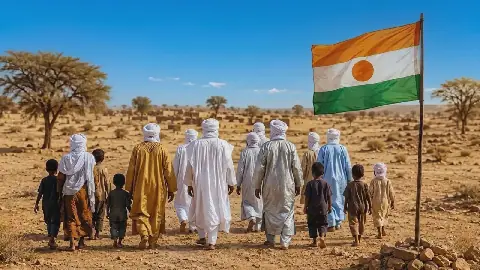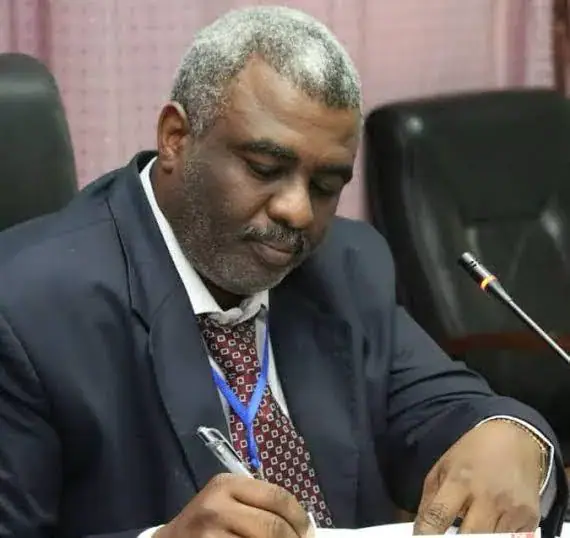
Sudan's engagement in the 31st Conference of Parties in Turkey, led by General Abdel Fattah al-Burhan, gains significance amid the country's ongoing conflict. The nation is among the most affected by climate change, despite being one of the least contributors to global emissions. Climate-related challenges, including droughts, floods, desertification, and water scarcity, have significantly impacted Sudan's agricultural and pastoral sectors.
The 2026 climate-related challenges have been particularly severe, with September reports from the Food and Agriculture Organization indicating below-average rainfall in key production areas. The states of Sennar and Gedaref experienced rainfall deficits of 20% and 30%, respectively. Furthermore, extensive agricultural areas faced drought stress, and the Early Warning Network for Famine detected disruptions in rainfall distribution and delayed onset, affecting crop growth and pasture regeneration.
The situation is exacerbated by the El Niño phenomenon, linked to rising temperatures in the equatorial Pacific Ocean, which alters global rainfall and temperature patterns. The World Meteorological Organization has warned of the continued presence of El Niño until at least February 2027, with potential intensification. This scenario poses significant risks to Sudan's agricultural production, food security, and overall stability.
The intertwining of climate-related impacts with the ongoing conflict, limited agricultural inputs, and disrupted supply chains has created a complex crisis. Addressing this challenge requires a comprehensive approach that considers the interplay between natural climate variability, economic fragility, and limited government preparedness. The consequences of inaction or delayed action will be severe, with droughts, reduced water resources, and degraded pastures triggering increased competition and potential conflict among communities.
To build resilience, Sudan must develop early warning systems, expand water harvesting, upgrade irrigation projects, and introduce drought-resistant crop varieties. Additionally, protecting pastures and restoring vegetation cover are crucial. Integrating solar energy into irrigation and productive services can reduce costs and enhance community resilience. Effective communication and knowledge sharing among stakeholders, including farmers and herders, are essential for informed decision-making.
General al-Burhan's statement linking climate adaptation to peace, food, and water security, and calling for equitable and accessible financing for developing countries, is a step in the right direction. However, international financing alone will not suffice; a corresponding national commitment, actionable projects, and capable institutions are necessary for successful implementation.
Sudan's path forward requires a collective effort, with the government setting policies, developmental media raising awareness, and the private sector investing in sustainable technologies. Citizens also have a role to play by adopting environmentally conscious behaviors, such as preserving trees and water resources. Ultimately, addressing climate change in Sudan is a national responsibility that demands a coordinated response to ensure the country's survival and progress.
Key points
- Sudan's minimal contribution to global emissions belies its significant vulnerability to climate change impacts.
Reporting sources
- تغير المناخ.. اختبار للأمن والتنمية · Al-tayar