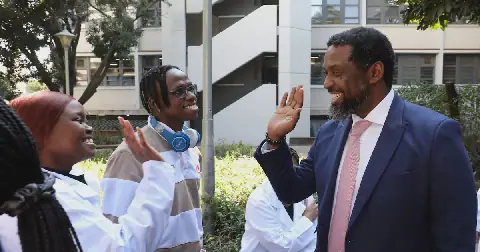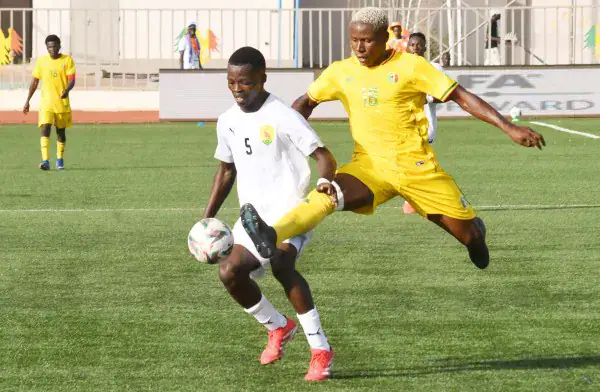
Mali's football, once a powerhouse in African youth categories, is facing significant challenges. Despite past successes, including U17 and U20 titles, recent performances have been disappointing. The national teams have failed to qualify for major tournaments, including the CAN U20 in 2021 and 2023. This downward trend has raised concerns about the country's ability to sustain its footballing excellence. The new Committee of the Malian Football Federation, led by Mazout Baba Cisset, faces a daunting task in reviving the sector.
The country's football structure is marred by insufficient competitions for U15, U17, and U20 categories. Without regular national championships, talent detection is uneven, and young players lack high-level confrontations. The talent pool remains, but a solid system to identify, train, and prepare players for high-level competition is lacking. This has resulted in a significant gap between the country's potential and actual performance.
The Malian team's preparation has also been hampered by hasty team formations, rushed training sessions, and inadequate planning. This approach has limited the team's ability to build cohesive units. In contrast, rival countries have adopted long-term planning, allowing them to achieve better results. Governance and institutional stability issues have also affected the football sector, making it challenging to implement consistent policies.
The new Committee of the Malian Football Federation must address these challenges. The committee's success will be measured by its ability to provide young footballers with a stable and competitive environment. To achieve this, the committee plans to establish regular national championships in U15, U17, and U20 categories, in collaboration with leagues, clubs, and academies.
The Direction Technique Nationale (DTN) will play a crucial role in reviving Mali's football. The DTN requires sufficient human, financial, and logistical resources, as well as a clear roadmap to ensure continuity between categories. This will enable the national teams to prepare for competitions over coherent cycles, rather than hastily assembling teams.
A decentralized policy that involves leagues, local clubs, and training centers will help identify and nurture young talent across the country. This approach will ensure that no talent is overlooked, and that players from regions beyond Bamako are given opportunities. Furthermore, creating a more effective bridge between private academies and traditional clubs will help build a cohesive football system.
The revival of Mali's football sector will require sustained efforts, improved governance, and targeted investments. Collaboration between all stakeholders, including the Femafoot, leagues, clubs, academies, and government, is essential. The new committee's ability to deliver on its promises will be closely watched, as Mali's football fans eagerly await a return to the country's former glory.
Key points
- The new Committee of the Malian Football Federation faces a significant challenge in reviving the country's youth teams.
- Insufficient competitions and poor planning have contributed to Mali's recent poor performances.
- A decentralized policy and improved governance are crucial to reviving Mali's football sector.