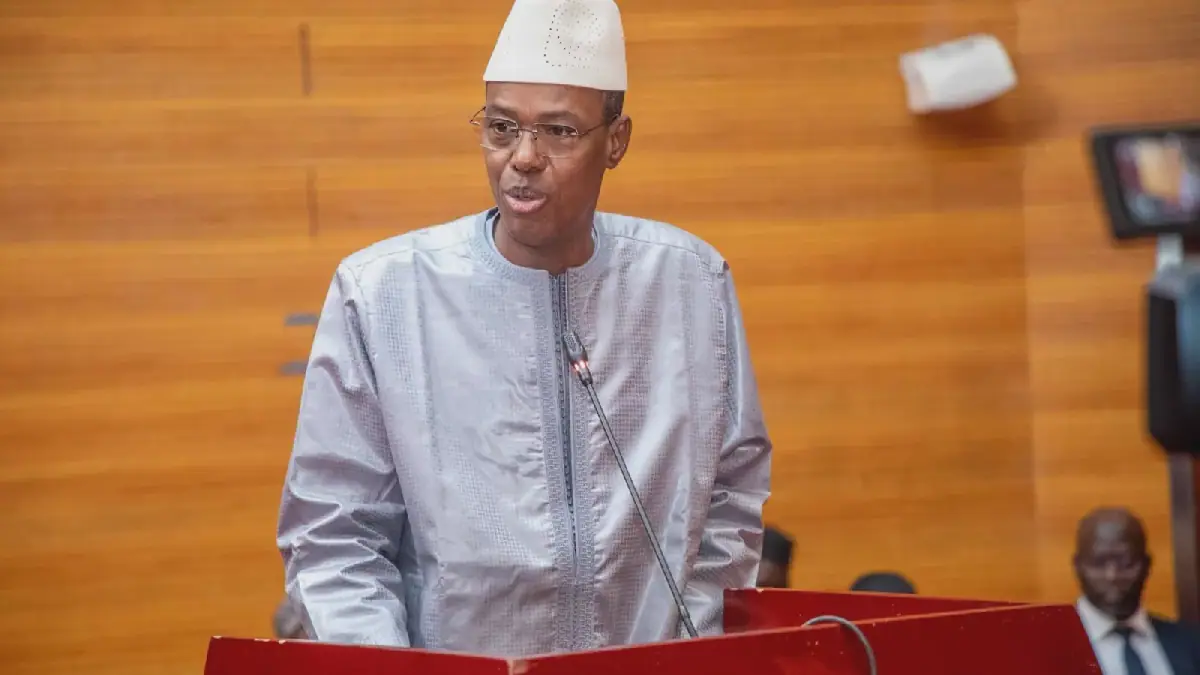
Mali's National Transition Council has unanimously adopted a law that ratifies an ordinance on fiscal resources for local authorities. The law, defended by Minister of State for Economy and Finance Alousséni Sanou, aims to adapt local tax sharing to the country's new administrative map, reorganized in 2023. The new law will provide more resources to communes, regions, and the Bamako District.
The law stipulates that the Regional and Local Development Tax will be allocated 92% to communes and 8% to regions. The property tax, patents, and licenses will be shared at 75% for communes and 25% for regions. Additionally, the law sets the sharing of taxes on livestock, firearms, and motorcycles, as well as rights related to artisanal mining and forestry exploitation.
The Bamako District will receive the entirety of taxes and levies previously allocated to its communes. The law also clarifies the roles of the tax administration, Domains and Cadastre, and public accountants. Furthermore, tax procedures will be digitalized to improve tax collection and increase local authorities' own resources. This move is expected to enhance the financial autonomy of local governments.
The new law was passed with 116 votes in favor, with no opposition. Minister Alousséni Sanou emphasized that the law aims to provide more means to communes, regions, and the Bamako District to better serve their populations. The law is part of a broader effort to decentralize power and resources in Mali.
The Regional and Local Development Tax is a key source of revenue for local authorities. Under the new law, communes will receive a larger share of this tax, enabling them to fund local development projects. The law also promotes transparency and accountability in tax collection and management.
The digitalization of tax procedures is expected to reduce tax evasion and increase revenue collection. This move is part of a broader effort to modernize Mali's tax system and improve the business climate. The law is seen as a significant step towards decentralization and local development.
The adoption of the law marks a significant shift in Mali's fiscal decentralization policy. The law is expected to have a positive impact on local development and service delivery. Key stakeholders, including local authorities and civil society organizations, are expected to benefit from the new law.
Key points
- The law allocates 92% of the Regional and Local Development Tax to communes and 8% to regions.
- The law digitalizes tax procedures to improve tax collection and increase local authorities' own resources.
- The Bamako District will receive the entirety of taxes and levies previously allocated to its communes.