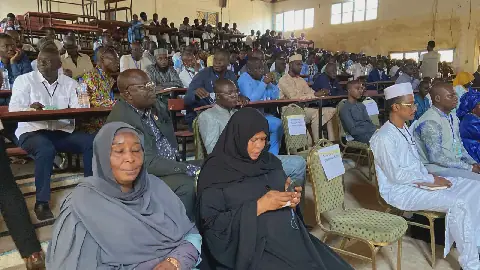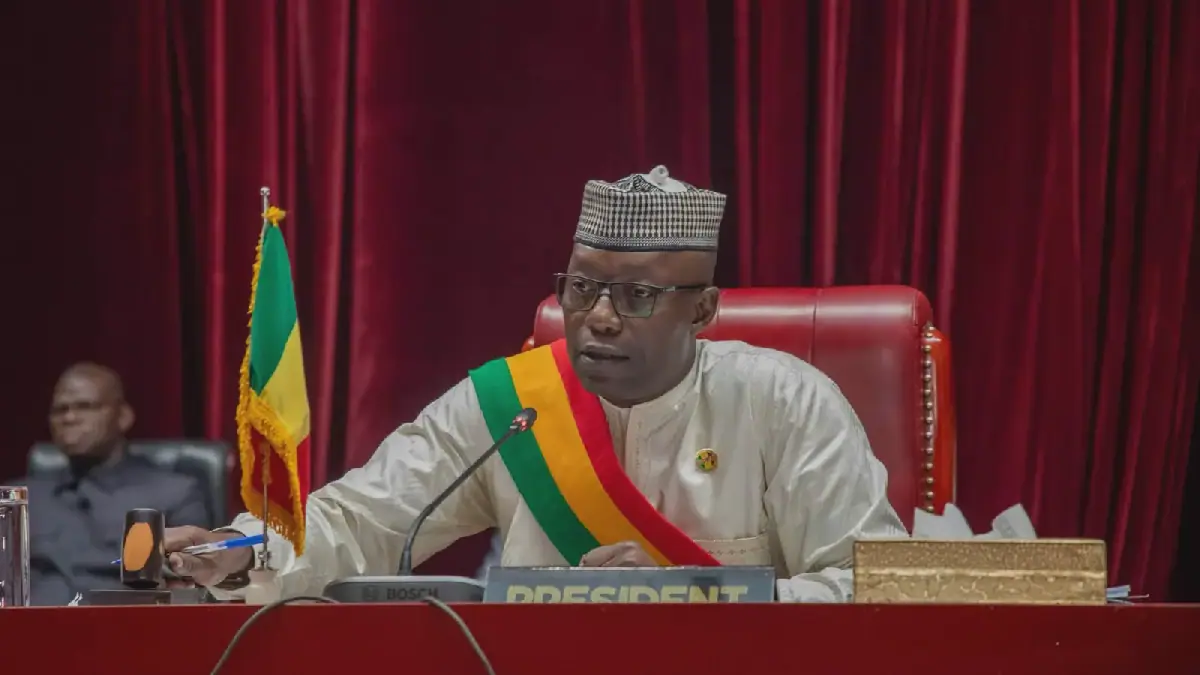
Mali's Conseil National de Transition (CNT) has adopted ten legislative texts in various key sectors during its ordinary session in October 2026. The session, held at the Bamako International Conference Center, was presided over by Malick Diaw. The adopted texts cover areas such as health, official languages, land justice, judges' status, and peace consolidation. These projects aim to modernize the country's health system, improve judicial processes, and enhance social cohesion.
In the health sector, the CNT adopted a rectified finance law to support the modernization of the health system. The law provides for the transformation of reference health centers into district hospitals and the construction of new hospitals in several regions. This project received 121 votes in favor. The new hospitals will be built in Kangaba, Bla, and seven other regions of the country. This move is expected to improve healthcare services and access to medical care for Malians.
The CNT also adopted modifications to the country's official languages, with 122 votes in favor. This change aims to comply with a Constitutional Court ruling and prevent linguistic discrimination. The update will ensure that all languages have equal status and promote national unity. This move is seen as a step towards greater inclusivity and representation of Mali's diverse linguistic heritage.
In the judicial sector, the CNT adopted five texts creating a specialized land pole with civil, administrative, and penal competencies. This new structure aims to improve coordination and accelerate the resolution of land disputes. The texts received 120 votes in favor. The specialized land pole will help reduce the backlog of land cases and provide a more efficient and effective way of resolving disputes.
The CNT also ratified an ordinance modifying the Code of Persons and Family, which allows for the possibility of stripping Malian nationality from citizens acting against the country's interests. This measure received 119 votes in favor. The ordinance aims to strengthen national security and prevent threats to the country's stability. The change will also help to prevent individuals with malicious intentions from holding Malian citizenship.
Concerning the judiciary, an ordinance integrating new provisions on judges' careers was ratified with 117 votes. The ordinance provides for the maintenance of remuneration during military service and a retirement allowance. This move aims to improve the working conditions and benefits of judges, ensuring their independence and impartiality. The update will also help to attract and retain qualified judges in the country's judicial system.
Finally, the CNT approved the creation of the National Agency for Peace Consolidation (ANCP) with 122 votes. The agency's mission will be to contribute to national reconciliation and strengthen social cohesion, particularly in fragile areas. The ANCP will play a crucial role in promoting peace and stability in Mali, especially in regions affected by conflict. The agency's creation is seen as a key step towards achieving lasting peace and stability in the country.
Key points
- The CNT adopted ten law projects in various sectors, including health, justice, and peace consolidation.
- The projects aim to modernize the country's health system, improve judicial processes, and enhance social cohesion.
- The adoption of these texts demonstrates the CNT's commitment to addressing key priorities and challenges facing Mali.