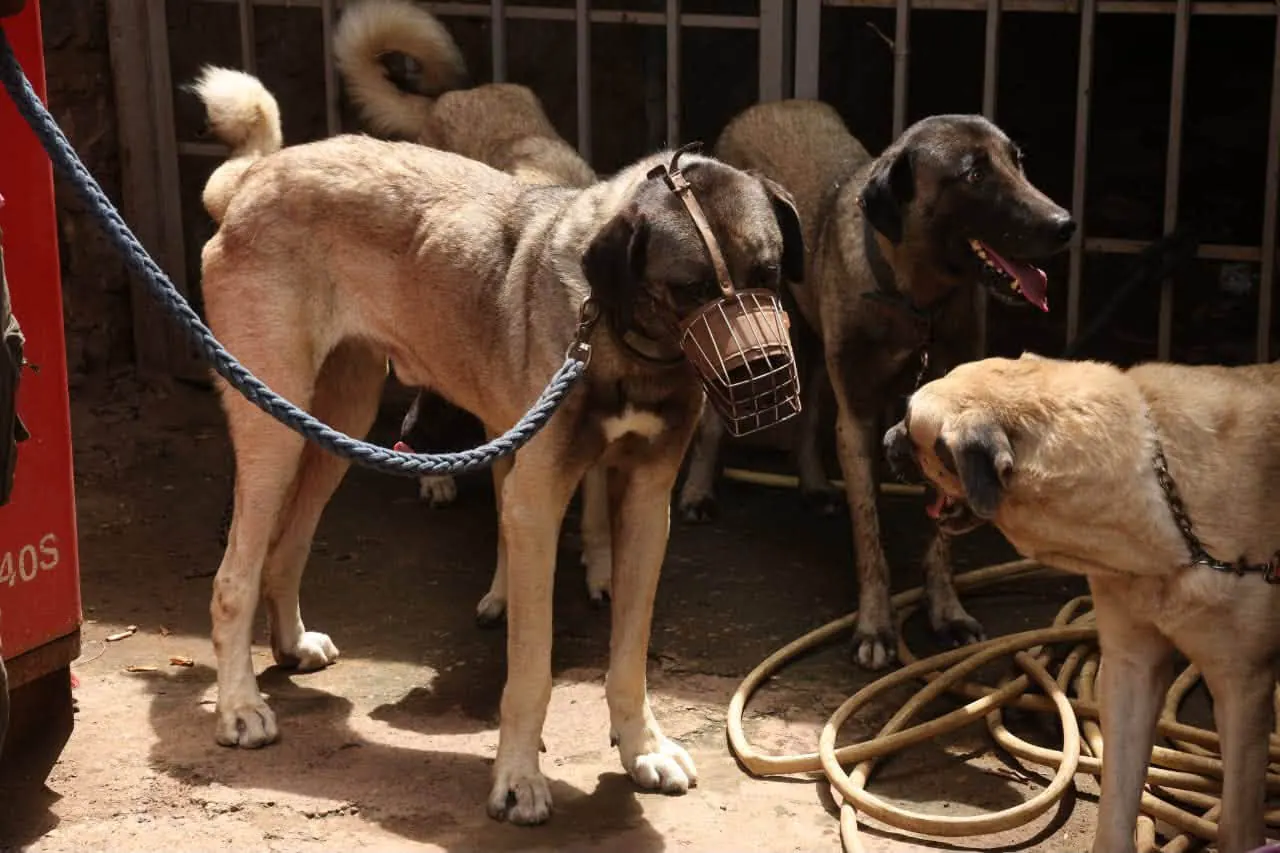
The Malian health authorities have raised concerns over the rising cases of rabies in the country. According to official reports, 23 cases of rabies have been recorded in Mali from January 1 to September 28, 2026. This development has sparked an alert, emphasizing the need for collective action to combat the disease. The situation was highlighted during the 20th World Rabies Day celebration, held under the theme "Stronger Together."
The World Rabies Day celebration, presided over by Malian Minister of Livestock and Fisheries, Youba Ba, brought together government officials, technical partners, and stakeholders in animal health. The event aimed to sensitize and engage pet owners in regular vaccination of their animals to achieve the goal of eliminating rabies by 2030. Rabies remains a significant public health concern in Mali, primarily transmitted through bites, scratches, or licks from infected animals, with dogs being the main vector in 99% of cases.
According to the World Health Organization (WHO), rabies claims approximately 59,000 human lives annually worldwide. In Mali, the disease has shown a concerning trend, with 10 reported deaths in 2022, 14 in 2023, 18 in 2024, and 25 in 2025. The current year's tally stands at 23 cases, highlighting the persistence of this zoonotic disease. The WHO attributes 95% of fatal rabies cases to Africa and Asia, with 80% occurring in rural areas where access to health education and post-bite treatment is limited.
The Malian government has outlined key strategies to combat rabies, including epidemiological surveillance, mass vaccination campaigns for dogs, effective control of stray dog populations, and public awareness campaigns. Minister Youba Ba emphasized the importance of a multisectoral approach, encapsulated in the "One Health" concept, which involves collaboration between human and animal health sectors. This approach aims to ensure rapid post-exposure care for individuals and promote collective responsibility in eliminating rabies.
The theme "Stronger Together" for this year's World Rabies Day underscores the need for united efforts to eliminate rabies. Minister Ba called on stakeholders to support vaccination campaigns, disseminate information on social media, and engage in partnerships to raise awareness and funds to combat the disease. The representative of Siprovet and the secretary permanent of the "One Health" platform also stressed the importance of surveillance, case notification, and dog vaccination campaigns.
The fight against rabies requires a collective effort from all citizens, not just veterinary and health services. Achieving the global goal of eliminating human deaths from rabies by 2030 demands systematic animal vaccination and rapid access to care for those bitten. The Malian government has urged pet owners to take responsibility for vaccinating their animals regularly and for the public to be aware of the risks and prevention measures.
As the situation continues to evolve, health authorities in Mali are working to enhance public awareness and engagement in the fight against rabies. With the support of international partners and stakeholders, the government aims to implement effective measures to control and eventually eliminate the disease. Key to this effort is the collaboration between various sectors, including health, agriculture, and environment, to ensure a comprehensive approach to addressing the rabies challenge.
Key points
- 23 cases of rabies have been recorded in Mali from January 1 to September 28, 2026.
- The Malian government has launched a campaign to vaccinate dogs and raise awareness about rabies prevention.
- The goal is to eliminate rabies by 2030 through collective action and a multisectoral approach.