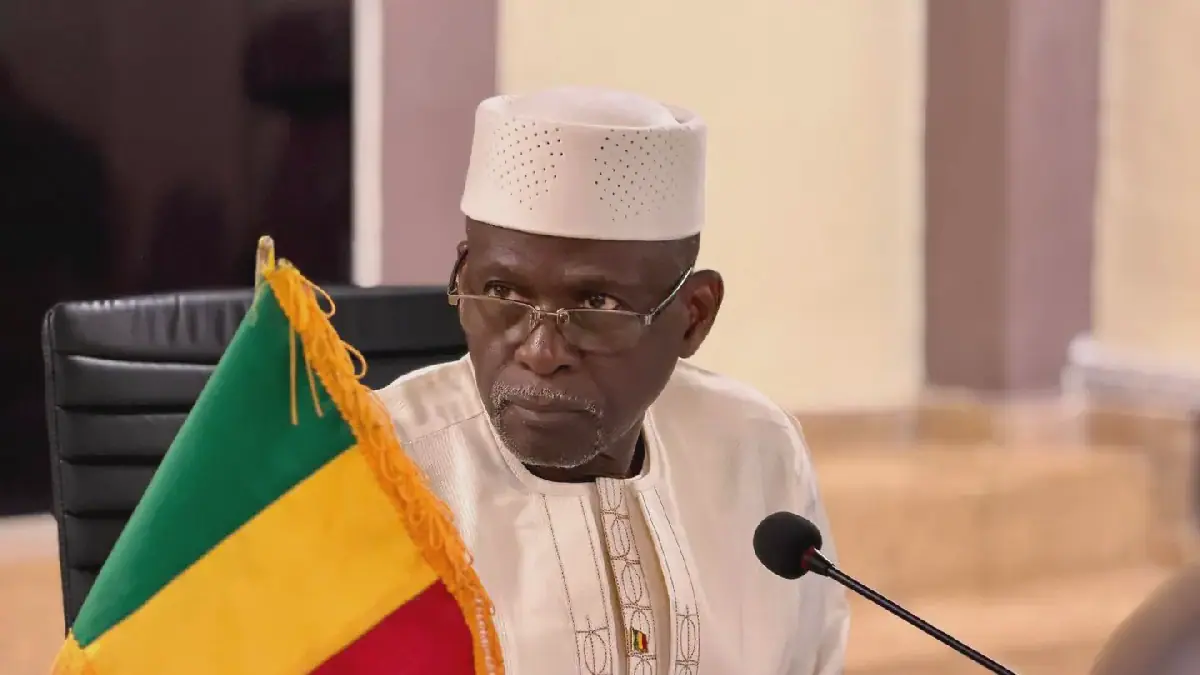
The 34th meeting to monitor Mali's hydrocarbon supply was held at the Chamber of Commerce and Industry of Mali (CCIM). The meeting was part of a vigilance system that brings together various actors in the supply chain. The meeting discussed the country's hydrocarbon supply, focusing on flows, available stocks, and convoy distribution. The goal was to maintain a continuous supply across the country.
Between September 14-20, 2026, Mali received approximately 57,999 million liters of gasoil and supercarburant. This translates to around 1,273 tanker trucks. The reception of hydrocarbons aims to meet the country's energy needs. The supply chain involves various stakeholders, including the Ministry of Industry and Commerce and economic operators.
In Bamako, a convoy of 1,278 tanker trucks was in the process of being received. The city's hydrocarbon needs are significant, given its status as the country's capital and largest city. Ensuring a steady supply of hydrocarbons is crucial for Bamako's economic activities. The meeting assessed the situation and discussed strategies to maintain the supply.
As of September 20, the reserve stocks at OMAP, SANKE, and STAR Oil deposits were estimated at 10,171 million liters of gasoil and 10,089 million liters of supercarburant. These stocks play a critical role in ensuring the country's energy security. The Ministry of Industry and Commerce and economic operators reviewed the stock levels and discussed measures to maintain adequate reserves.
The meeting also addressed the diversification of supply axes to reduce vulnerabilities and strengthen the national system's anticipation capacities. This strategic move aims to enhance the resilience of Mali's hydrocarbon supply chain. By exploring alternative supply routes, the country can mitigate potential disruptions and ensure a steady flow of hydrocarbons.
The Ministry of Industry and Commerce and economic operators are working together to guarantee the availability of products in the country. This collaboration involves monitoring the supply chain, identifying potential challenges, and implementing strategies to address them. The goal is to ensure a stable and continuous supply of hydrocarbons across Mali.
Through this constant monitoring system, the Ministry of Industry and Commerce and economic operators are strengthening their collaboration and strategic vision. This joint effort aims to ensure that Mali's energy needs are met, supporting the country's economic activities and development.
Key points
- Mali received 57,999 million liters of gasoil and supercarburant between September 14-20, 2026.
- The country's hydrocarbon supply chain involves various stakeholders, including the Ministry of Industry and Commerce and economic operators.
- The government is exploring strategies to diversify supply axes and reduce vulnerabilities in the hydrocarbon supply chain.