The 31st United Nations Climate Conference, COP31, is set to take place in Antalya, Turkey, from November 9 to 20. A month prior to the conference, Mali announced new climate objectives, emphasizing the need for access to financing for producers and communes to implement concrete responses to climate change. This includes better anticipating rainfall, protecting crops, and preserving water resources.
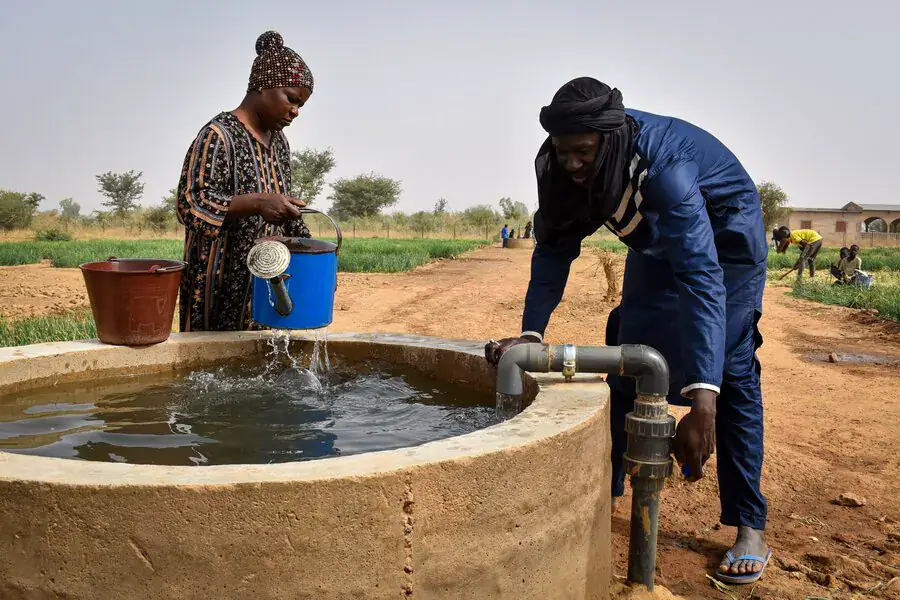
Recent weather patterns in Mali have highlighted the challenges faced by producers. In Sikasso and Bougouni, rainfall pauses disrupted planting and exposed crops to water scarcity during the 2026 agricultural campaign. However, September rains improved the situation in several areas. According to Mali-Météo, this contrast underscores the importance of rainfall timing for producers.
Mali's expert in environment and climate change, Gaoussou Berthé, notes that while political commitments have been made, they have not always been followed by necessary financing. Many projects from the previous Nationally Determined Contribution (NDC) are awaiting resources. The NDC had envisioned several billion dollars in investments. Berthé emphasizes the need for financial support to implement climate projects.
In October, Mali presented its third-generation NDC, aiming to reduce greenhouse gas emissions by 25.25% by 2035 compared to the reference scenario. The objective focuses on energy, agriculture, and waste sectors. This mitigation goal complements adaptation priorities, focusing on protecting populations, activities, and resources.
Internationally, financial commitments have progressed. COP29 set a collective goal of at least $300 billion per year by 2035 for climate action in developing countries. COP30 called for tripling adaptation financing by 2035. Mali has already mobilized resources, with over 20 billion CFA francs allocated to thirty projects by the Climate Fund Mali.
Dr. Ibrahim Togola, President of Réso-Climat Mali, emphasizes that many solutions are available for agriculture, including improved seeds, agricultural insurance, and weather forecasts. However, these solutions require accessible information and support in rural areas. The agriculture sector must evolve to better adapt to climate change.
To address these challenges, Mali is working to strengthen its capacity to access financing. The National Bank for Agricultural Development (BNDA) and Mali-Folkecenter Nyetaa are now accredited to the Green Climate Fund, providing a pathway to resources. However, the preparation of funding dossiers and meeting requirements remain significant hurdles.
Key points
- Mali seeks financing for climate adaptation projects at COP31
- The country aims to reduce greenhouse gas emissions by 25.25% by 2035
- International financial commitments have progressed, with a goal of $300 billion per year by 2035 for climate action in developing countries