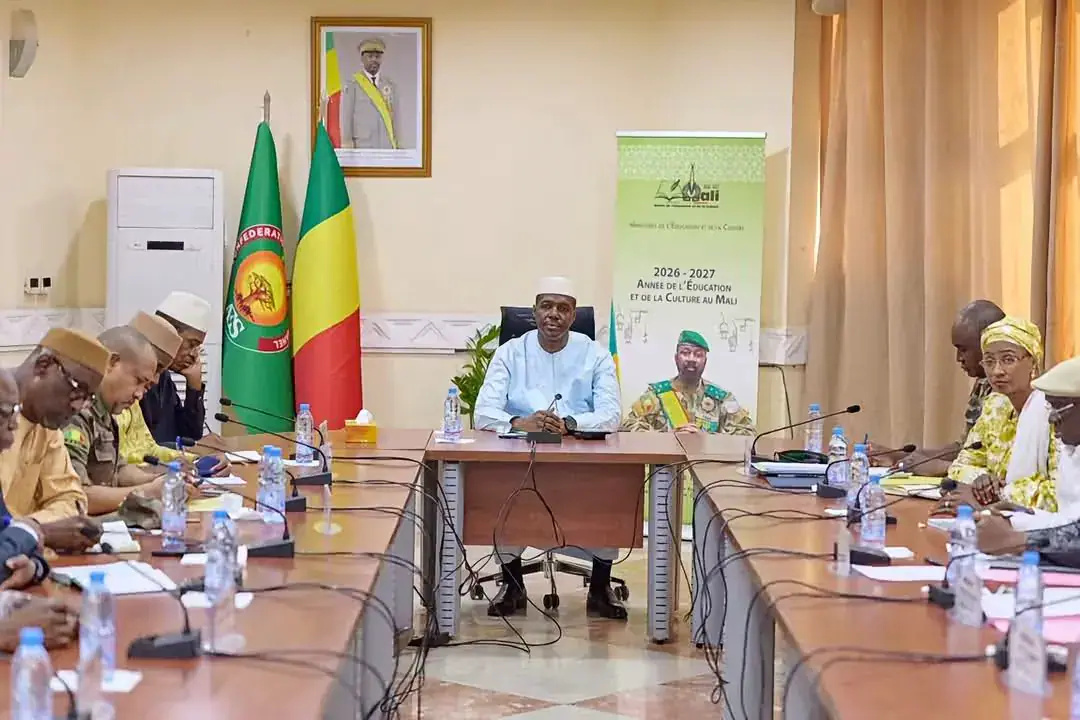
The Malian government has stepped up efforts to address a humanitarian crisis at the Guinea border, where 15,000 people from six nationalities have been stranded after being refouled from mining areas. On November 7, 2026, Prime Minister Adama Coulibaly chaired an extraordinary meeting of the Interministerial Committee for Crisis and Disaster Management (CECOGEC) to coordinate the evacuation and repatriation of these individuals. The committee reviewed the current situation, the number of people already evacuated, and those still at various sites.
According to the government's assessment, a first convoy of 47 buses has already arrived in Burkina Faso, while a group of 50 trucks is preparing to depart. To support the repatriation efforts, the Malian government has mobilized significant logistical resources, including 74 trucks and 21 buses. This move is part of Mali's pan-African solidarity and commitment to assisting affected populations. Furthermore, the government has chartered an additional 100 trucks to accelerate the evacuation of those stranded in Guinea.
The CECOGEC meeting allowed various ministerial departments to share their interventions on the ground and discuss future plans for better management of the crisis. To improve organization and avoid congestion in the capital, Prime Minister Coulibaly instructed that evacuees be regrouped at the Kouremalé border crossing. This measure aims to facilitate identification, orientation, and evacuation in suitable conditions. The Prime Minister also emphasized the need for accurate counting of Malian nationals among those refouled from Guinea to tailor assistance and repatriation efforts.
In a bid to ensure transparency and regular information, the Prime Minister instructed CECOGEC to publish a daily bulletin on the situation, ongoing operations, and planned measures. This move will enable the public to track the evolution of the crisis and the government's response. The authorities have also planned a visit to the area for November 8, 2026, to verify the implementation of announced measures and assess the conditions of those being assisted.
The humanitarian crisis resulted from the refoulement of foreign nationals from mining areas in Guinea. Mali's response demonstrates its commitment to African solidarity and hospitality. The government's efforts focus on providing assistance and facilitating the safe return of those stranded. With 15,000 people requiring repatriation, the logistical and humanitarian challenges are significant.
The Malian government's response has been multifaceted, involving not only the mobilization of trucks and buses but also coordination among various ministerial departments. The authorities have emphasized the importance of accurate information and transparent communication to manage the crisis effectively. By regrouping evacuees at Kouremalé and publishing daily bulletins, the government aims to maintain order and provide timely updates.
As the situation continues to unfold, the Malian government remains committed to its humanitarian mission. The Prime Minister has commended the efforts of CECOGEC members and encouraged them to sustain their engagement. With ongoing repatriation efforts and planned visits to assess conditions on the ground, the government is working to address the crisis and provide support to those affected.
Key points
- The Malian government has mobilized 74 trucks and 21 buses to repatriate 15,000 people stranded at the Guinea border.