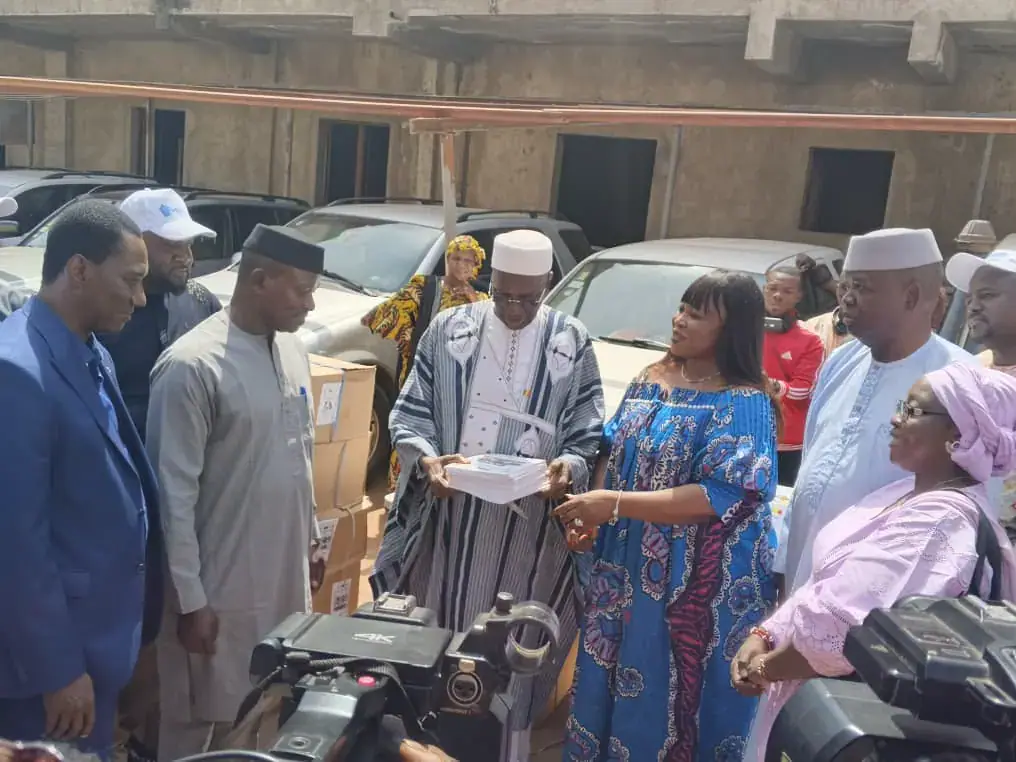
The Malian government has taken a significant step in reforming its education system by introducing Bamanankan language textbooks in primary education. On November 3, 2026, the Minister of National Education, Amadou Sy Savané, presided over the ceremonial handover of 400,000 textbooks, funded by the World Bank to the tune of 445 million CFA francs. This initiative aims to improve the quality of education in Mali, particularly in the early years of primary school.
The new textbooks are designed to be bilingual, combining French and Bamanankan, the latter being a widely spoken local language in Mali. This move is expected to address a long-standing challenge in the Malian education system, where students are often required to learn in a foreign language from a young age. By introducing textbooks in Bamanankan, the government hopes to make learning more accessible and effective for young students.
The introduction of Bamanankan language textbooks aligns with UNESCO recommendations that initial literacy should be taught in a child's mother tongue. This approach is expected to accelerate intellectual assimilation and facilitate the learning of other languages later on. The move is also seen as a way to promote local languages and cultures, which is in line with the new institutional dynamic in Mali.
However, the success of this initiative depends on the effective distribution of the textbooks to schools across the country. There are concerns about the logistics of getting the textbooks to schools in remote areas, such as Ségou, Mopti, and Tombouctou, without them being diverted into informal channels. If the government can overcome this challenge, the textbooks are expected to have a significant impact on education in Mali.
The distribution of textbooks is a critical aspect of this initiative, and the government will need to ensure that they reach the intended beneficiaries. The project is being implemented under the auspices of the Ministry of National Education, with support from the World Bank. The use of Bamanankan language textbooks is expected to improve learning outcomes and increase access to education for disadvantaged groups.
The Malian government's decision to introduce Bamanankan language textbooks has been welcomed by education stakeholders. The move is seen as a positive step towards improving the quality of education in Mali and promoting local languages and cultures. The initiative is also expected to contribute to the country's efforts to develop its education sector and improve learning outcomes.
The introduction of Bamanankan language textbooks marks a significant milestone in Mali's education sector. With the support of the World Bank, the government is working to improve the quality of education and increase access to learning opportunities for all. The success of this initiative will depend on effective implementation and the ability to address logistical challenges.
Key points
- The Malian government has distributed 400,000 bilingual textbooks in French and Bamanankan to improve primary education.
- The initiative aims to address a long-standing challenge in the Malian education system, where students are often required to learn in a foreign language from a young age.
- The introduction of Bamanankan language textbooks aligns with UNESCO recommendations that initial literacy should be taught in a child's mother tongue.