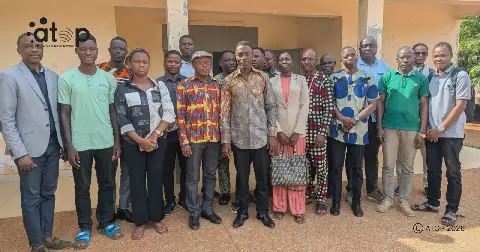
The 2nd International Nephrology Congress opened in Bamako, Mali, on November 26, under the theme "Chronic Kidney Disease in the Era of Epidemiological Transition." The event brings together specialists, researchers, healthcare professionals, and partners from several African countries and beyond to discuss prevention, screening, and management of kidney diseases.
The congress was opened by Dr. Abdoulaye Guindo, Secretary General of Mali's Ministry of Health and Social Development. He emphasized that the meeting provides an opportunity for knowledge sharing and strengthening on kidney diseases. Dr. Guindo reaffirmed the government's commitment to making healthcare accessible to those with these conditions.
Mali has made efforts to improve kidney failure care, including constructing and equipping five dialysis centers in Bamako and other parts of the country. The country has also established a master's program in dialysis within its national health science training structures. These initiatives have enabled the monitoring of hundreds of patients nationwide.
Despite progress, Dr. Guindo acknowledged significant challenges, including developing peritoneal dialysis and kidney transplantation. He stressed the need for concrete measures to diversify therapeutic options and improve patient care quality. The epidemiological transition, characterized by the rise of non-communicable diseases like chronic kidney disease, requires adapting health policies and care packages to new epidemiological realities and population needs.
Professor Abdou Niang, President of the African Association of Nephrology, highlighted the human, social, and economic dimensions of chronic kidney disease. He noted that many young patients' lives are disrupted by kidney damage and that families face financial difficulties in accessing dialysis. Africa faces a growing burden of chronic kidney disease, while access to renal replacement therapy and transplantation remains limited.
Professor Niang referenced a resolution adopted by the 78th World Health Assembly on February 10, 2025, promoting renal health and strengthening prevention and control measures against kidney diseases. He called for translating this resolution into concrete actions in various countries and proposed three priority areas to guide the congress: prevention and early detection, improving access to care, and strengthening health data and training.
The congress aims to address the growing burden of chronic kidney disease in Africa and explore ways to improve prevention, care, and management of the condition. The event provides a platform for experts to share knowledge, experiences, and best practices in addressing the challenges posed by kidney diseases.
Key points
- The congress focuses on prevention, screening, and management of kidney diseases.
- Mali has made progress in improving kidney failure care, including constructing dialysis centers and establishing a master's program in dialysis.
- The event aims to translate the WHO resolution on promoting renal health into concrete actions in various countries.
Reporting sources
- Santé: Bamako abrite le 2ème congrès sur la maladie rénale Chronique · Agence malienne de presse et de publicité