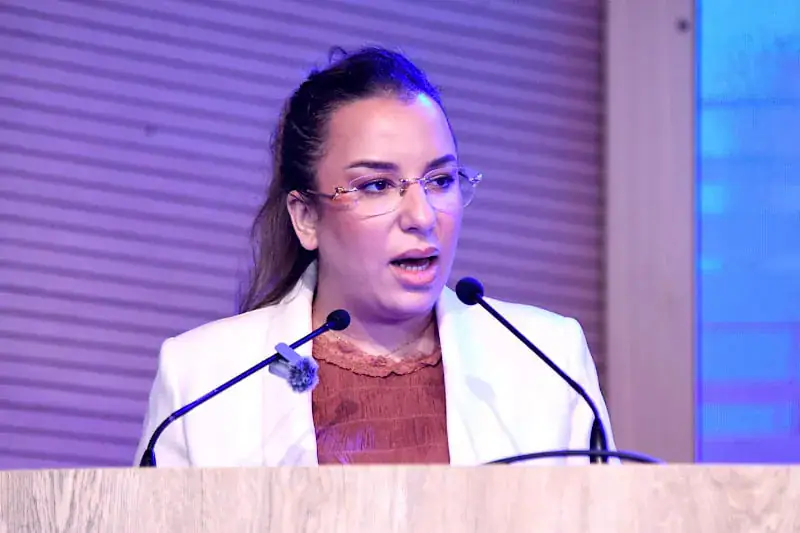
The Moroccan government has announced plans to adopt a new approach to combat digital violence against women and girls. This approach involves transitioning from seasonal awareness campaigns to sustainable institutional mobilization. The initiative was unveiled by Minister of Family, Social Development, and Equality, Najwa Kkous, during the launch of the 24th National Campaign to Stop Violence Against Women and Girls in Rabat.
According to a 2019 national survey by the High Commission for Planning, 13.8% of Moroccan women aged 15-74 have experienced digital violence, which translates to approximately 1.5 million women. This figure rises to 24.4% among women aged 15-24. The survey also found that 68-77% of women who have experienced violence do not report it to the authorities due to lack of knowledge about legal procedures or low confidence in the effectiveness of redress mechanisms.
Minister Kkous highlighted that digital violence takes various forms, including harassment, blackmail, threats, defamation, identity theft, and hate speech. She emphasized that the rapid spread of offensive content and the ease of its dissemination pose significant challenges to protection mechanisms. The minister also stressed that women should not be held responsible for the attacks they suffer due to their presence in digital spaces.
The government has partnered with the United Nations Population Fund and Global Affairs Canada to launch the 24th National Campaign, which aims to create a safe digital space for women and girls. The campaign, themed "For a safe digital space for women and girls" and "Mashy bwakhdak... kolna maak," seeks to sustain mobilization efforts throughout the year, rather than limiting them to seasonal campaigns.
The initiative includes various activities, such as awareness-raising events, digital campaigns, educational programs, and vocational training for professionals. The government also plans to sign an institutional mobilization charter to prevent digital violence against women and girls, which aims to make commitments from government stakeholders.
The issue of digital violence has significant economic implications, as it can lead to women withdrawing from digital spaces, resulting in lost economic opportunities for them, their families, and the national economy. Minister Kkous emphasized the importance of using technology to develop prevention and protection mechanisms, facilitate access to services, and promote research and analysis.
The government faces the challenge of updating national data on digital violence, particularly in light of rapid technological changes and the increasing use of artificial intelligence. The Ministry aims to develop legal and institutional mechanisms to address digital violence and ensure women's rights to expression, participation, and work without fear of threats or exclusion.
Key points
- The Moroccan government has launched a new initiative to combat digital violence against women and girls, which involves sustainable institutional mobilization and awareness-raising efforts.
- According to a 2019 national survey, 13.8% of Moroccan women aged 15-74 have experienced digital violence, which translates to approximately 1.5 million women.
- The government aims to create a safe digital space for women and girls, and has partnered with international organizations to support the initiative.
Reporting sources
- العنف الرقمي يطال نحو مليون ونصف مليون مغربية.. وككوس تعلن تعبئة حكومية لمواجهته · Al Ahdath Al Maghribia