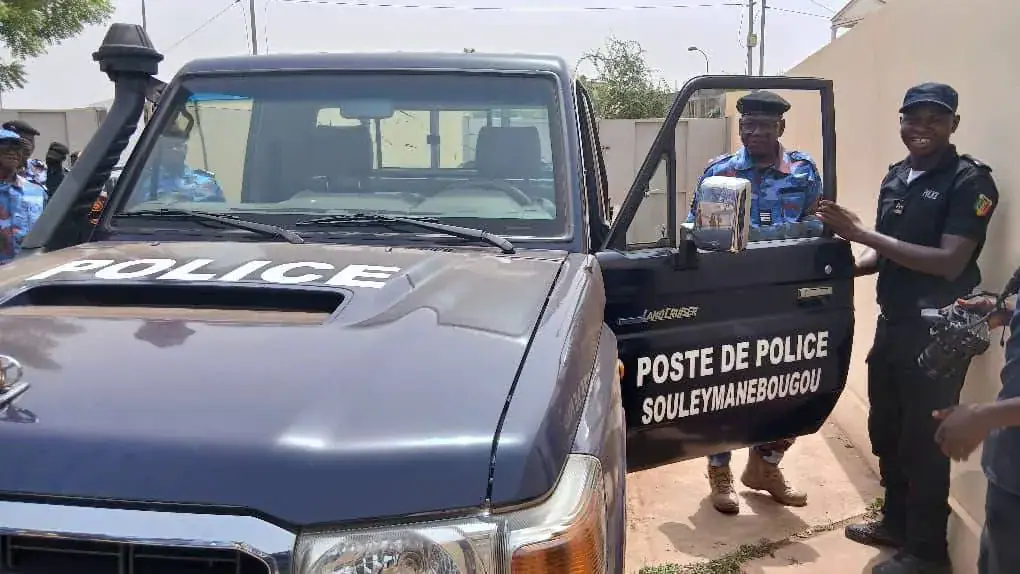
A string of brutal murders in Bamako has left the Malian community reeling and sparked a national conversation about the country's values and relationship with wealth. On October 28, 2026, the Director-General of the National Police, Youssouf Koné, announced that several suspects had been arrested in connection with the killings of three men: Boubacar Ly, Broulaye Doumbia, and Mouctar Fofana. The victims, all in their 20s and 50s, were found dead in separate locations across the city.
According to police reports, the murder of Boubacar Ly, 23, was linked to a financial dispute over the sale of a vehicle worth 30 million FCFA, with 10 million FCFA still owed. The victim's body was abandoned and hidden in an attempt to cover up the crime. Broulaye Doumbia, 23, a hair salon owner, was also killed by gunshot and found in a drain in Lafiabougou. Several suspects have been arrested in connection with these two murders, but the exact circumstances and perpetrators remain unclear.
The third victim, Mouctar Fofana, 53, a shopkeeper, was found dead with his throat slit in Djicoroni. A suspect, 18, was arrested and reportedly confessed to the crime, citing a dispute over intimate videos and alleged blackmail. These incidents have raised concerns about the prevalence of violence and the erosion of values in Malian society. The police have been praised for their efforts in investigating and arresting suspects, but many are calling for a more nuanced approach to addressing the root causes of these crimes.
The killings have sparked a wider debate about the role of wealth and materialism in Malian society. Many are questioning whether the country's emphasis on wealth and status is contributing to a culture of violence and entitlement. The display of wealth and luxury goods has become increasingly common in Bamako, with some individuals flaunting their riches on social media. Critics argue that this can create a culture of envy and resentment, particularly among young people.
The Malian government and civil society organizations are being urged to take a closer look at the values being transmitted to young people and to promote a more balanced and responsible approach to wealth and success. The country's cultural heritage, which emphasizes solidarity, respect, and dignity, is seen as a potential antidote to the growing obsession with wealth and materialism. By promoting these values, many hope that Mali can reduce the allure of violence and crime.
The victims' families have called for justice and dignity, and the authorities have promised to ensure that those responsible are held accountable. However, many are also calling for a more nuanced approach to addressing the root causes of these crimes, including poverty, inequality, and social exclusion. By addressing these underlying issues, many hope that Mali can reduce the incidence of violent crime and promote a more just and equitable society.
As the investigation into these crimes continues, many are reflecting on the kind of society Mali wants to be. The country's leaders and citizens are being urged to prioritize the promotion of values such as hard work, integrity, and human dignity, and to reject the notion that wealth and materialism are the ultimate measures of success. By doing so, many hope that Mali can build a more just and prosperous future for all its citizens.
Key points
- The Malian community is grappling with a string of brutal murders that have sparked debate about the country's values and relationship with wealth.
- The killings have raised concerns about the prevalence of violence and the erosion of values in Malian society.
- Many are calling for a more nuanced approach to addressing the root causes of these crimes, including poverty, inequality, and social exclusion.