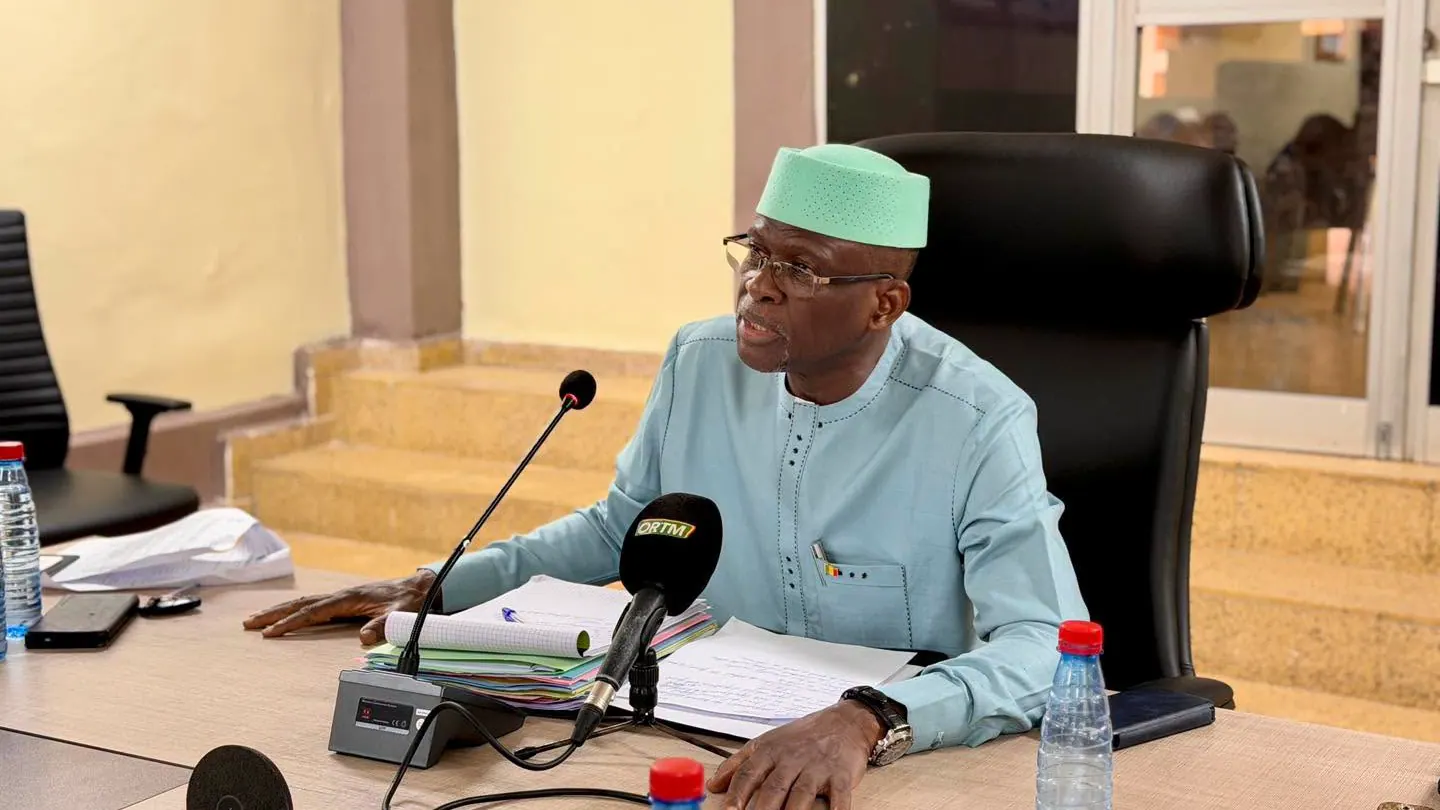
Mali's Minister of Industry and Commerce, Moussa Alassane Diallo, convened a meeting on October 5, 2026, in Bamako, to discuss the persistent rise in meat prices. The gathering, held at the Chamber of Commerce and Industry of Mali (CCIM), brought together stakeholders from the livestock-meat sector. The meeting aimed to examine the factors contributing to the increasing cost of meat and explore potential solutions. This move comes as the national average price of meat with bones has risen to 3,502 CFA francs per kilogram between September 28 and October 4.
Despite implementing several measures since April, including securing cattle markets, regulating exports, improving livestock feed, and establishing secure markets, the price of meat continues to rise. The national average price of meat with bones increased from 3,211 CFA francs at the end of April to 3,502 CFA francs between September 28 and October 4. In Bamako, the capital city, the price of meat with bones is now between 4,300 and 4,500 CFA francs per kilogram, while boneless meat sells for around 5,000 CFA francs per kilogram.
The meeting brought together various stakeholders to discuss the factors driving the price increase, from production to transportation, and the supply of markets and marketing channels. Participants highlighted several key issues, including the diversification and securing of cattle markets, ensuring the safety of transportation routes, and finding solutions for livestock feed. These discussions aimed to identify concrete measures to address the rising meat prices and stabilize the market.
Minister Diallo emphasized the need for collective action from all stakeholders to address the issue. He announced that a weekly consultation framework would be established to develop concrete, applicable, and measurable measures to contribute to the stabilization of the meat market. This initiative seeks to bring together all actors in the sector to work towards a common goal of making meat more affordable for consumers.
The weekly consultation framework will provide a platform for stakeholders to share information, discuss challenges, and develop solutions. By working together, the government and industry actors hope to identify and implement effective measures to reduce meat prices and ensure a stable supply of meat to the market. This collaborative approach is seen as crucial in addressing the complex issues driving the price increase.
The rising cost of meat has significant implications for consumers, particularly in urban areas where meat is a staple in many households. The government's efforts to stabilize the market and reduce prices are expected to have a positive impact on the livelihoods of many Malians. By engaging with industry stakeholders, the government aims to develop targeted solutions that address the root causes of the price increase.
The meeting marks a significant step towards addressing the challenges facing the meat sector in Mali. With the weekly consultation framework in place, stakeholders are expected to work together to develop and implement effective solutions. The government's commitment to stabilizing the meat market and reducing prices is clear, and the outcome of these efforts will be closely watched by consumers and industry actors alike.
Key points
- The Malian government has established a weekly consultation framework to develop measures to stabilize the meat market and reduce prices.
- The national average price of meat with bones has risen to 3,502 CFA francs per kilogram between September 28 and October 4.
- The government has implemented several measures since April to address the rising meat prices, including securing cattle markets and regulating exports.