The Malian government has initiated talks with artisanal miners to address the pressing issues facing the sector. Thousands of Malians and Burkinabè were recently forced to abandon their mining sites in Guinea and return to their home countries. This mass displacement has created an urgent need for the government to respond to the needs of the affected workers and reassess the regulation of artisanal gold mining.
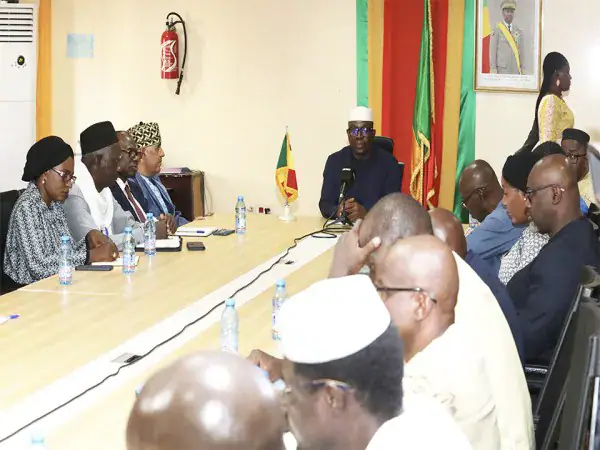
Mali's Minister of Mines, Pr Amadou Keïta, recently met with representatives from the Chamber of Mines, the Confederation, and the Groupement des orpailleurs to discuss the situation of the returned workers and gather proposals for a suitable response. The meeting aimed to facilitate a better understanding of the challenges facing the sector and identify potential solutions. The minister emphasized the importance of information sharing and collaboration among stakeholders to effectively manage the situation.
The artisanal mining sector plays a significant role in Mali's economy, providing a source of income for thousands of families. However, the industry's unregulated nature poses significant environmental and social risks. The minister highlighted the need for better regulation of the sector to prevent illegal mining, ensure a safe working environment, and mitigate the environmental impact of small-scale mining.
The participants welcomed the minister's initiative, which demonstrates the government's commitment to improving the organization of the sector. The meeting's conclusions and gathered information will be transmitted to the highest authorities for review and consideration. This development is seen as a crucial step towards addressing the challenges facing artisanal mining in Mali and promoting a more sustainable and responsible approach to the industry.
The issue of artisanal mining in Mali is complex, with far-reaching implications for the environment, local communities, and the national economy. The sector's contribution to the country's gold exports is substantial, with 2.750 billion fcfa generated in 2025. However, the environmental costs of unregulated mining are high, with risks to land, water, and ecosystems.
The Malian government faces a significant challenge in balancing the economic benefits of artisanal mining with the need to protect the environment and ensure a safe working environment for miners. The sector's future will depend on the government's ability to develop effective regulations and enforcement mechanisms. This will require collaboration with stakeholders, including miners, local communities, and industry experts.
The outcome of the talks between the government and artisanal miners will be closely watched by stakeholders in the sector. A more regulated and sustainable approach to artisanal mining could provide a model for other countries in the region. The Malian government's efforts to address the challenges facing the sector are a positive step towards promoting responsible and sustainable mining practices.
Key points
- The Malian government has initiated talks with artisanal miners to address the situation of thousands of workers forced to leave Guinea and discuss the future of small-scale mining.