The Bafoulabé region in Mali is struggling with a severe shortage of teachers as the new school year approaches. According to Mamadou Ballo, director of the Centre d'Animation Pédagogique (CAP), 150 generalist teachers and 90 specialist teachers are needed to ensure a smooth start to the 2026-2027 academic year. This shortage has been exacerbated by recent staff movements, with eight teachers leaving and only one new teacher arriving.
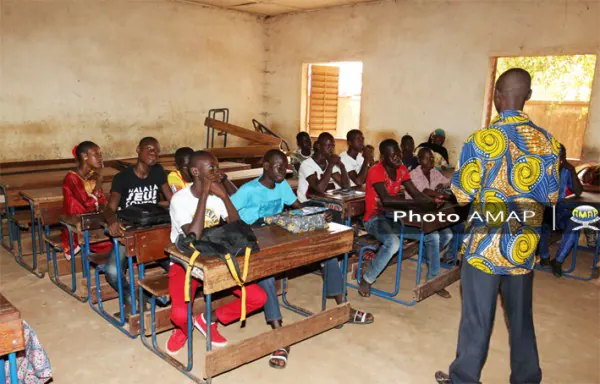
The situation is further complicated by the departure of three teachers who were admitted to professional competitions. The lack of infrastructure, particularly tables and benches, is another significant challenge facing schools in the region. At the second cycle "B" school in Bafoulabé, the situation is particularly dire, with the school struggling to provide adequate facilities for its students.
Moussa Danfaga, director of the second cycle "B" school, has expressed concerns about the persistent nature of this problem, which has been ongoing since 2023. Despite repeated appeals to education authorities, no lasting solution has been found. To allow classes to resume, Danfaga is now seeking tables and benches from other schools.
The shortage of teachers and infrastructure is having a significant impact on the quality of education in the region. With many schools lacking the necessary resources, students are at risk of falling behind their peers in other parts of the country. The Malian government and education authorities face a significant challenge in addressing these shortages and ensuring that all students have access to quality education.
The CAP director, Mamadou Ballo, has highlighted the need for urgent action to address the teacher shortage. He emphasized that the situation is critical and requires immediate attention from education authorities. The government has been urged to take swift action to recruit and deploy teachers to the region.
In addition to the teacher shortage, the region is also facing challenges related to infrastructure and resources. Many schools lack basic facilities, such as classrooms, libraries, and laboratories, making it difficult for students to learn effectively. The government has been called upon to invest in education infrastructure to improve the learning environment.
The situation in Bafoulabé highlights the broader challenges facing education in Mali. The country has made significant progress in increasing access to education in recent years, but the quality of education remains a concern. Addressing the teacher shortage and infrastructure challenges in Bafoulabé and other regions is crucial to ensuring that all students have access to quality education.
Key points
- The Bafoulabé region needs 150 generalist and 90 specialist teachers to address the shortage.
- The shortage of teachers and infrastructure is having a significant impact on the quality of education in the region.
- The Malian government and education authorities face a significant challenge in addressing these shortages and ensuring that all students have access to quality education.