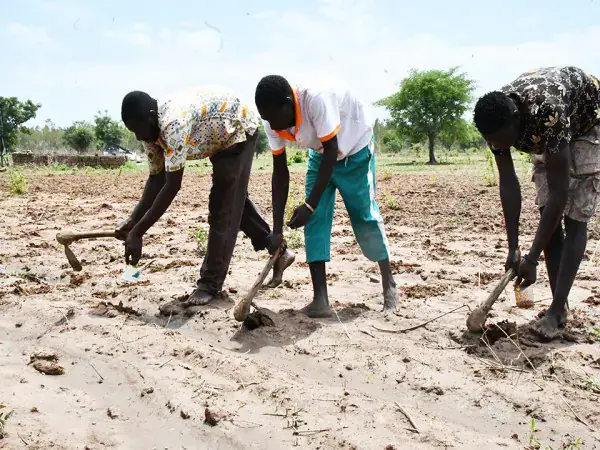
The Malian agricultural sector is experiencing a significant challenge as young people increasingly abandon farm work for other activities they consider more profitable. This trend threatens the country's food security and economic stability. According to reports, many youths are leaving the agricultural sector, which could have severe consequences on the nation's economy. The government and stakeholders must address this issue to ensure the sector's sustainability.
The issue of youths leaving farm work is not new, but it has become more pressing in recent years. The sector has long been the backbone of Mali's economy, providing employment and food for millions of people. However, the lack of modernization, inadequate infrastructure, and limited access to finance have made it less attractive to young people. As a result, many are seeking alternative opportunities in other sectors, such as mining and services.
The Malian government has implemented various initiatives to revitalize the agricultural sector, including modernization and mechanization efforts. However, more needs to be done to address the root causes of the problem. The government must work with stakeholders to develop policies and programs that will make farming more attractive and profitable for young people. This could include providing access to finance, training, and markets.
The minister of mines, Pr Amadou Keïta, has highlighted the importance of the mining sector in Mali's economy, with gold exports generating 2.750 billion FCFA in 2025. However, the agricultural sector remains a crucial part of the economy, and efforts must be made to ensure its sustainability. The government must prioritize the development of the sector to ensure food security and economic stability.
The issue of youths leaving farm work is not unique to Mali, but it has significant implications for the country's economy. The government and stakeholders must work together to develop solutions to this problem. This could include investing in agricultural infrastructure, providing access to finance and markets, and promoting entrepreneurship in the sector.
The digitalization of administration is also seen as a key strategy to boost the economy and reduce poverty. The initiative aims to modernize public services, reduce spending, and mobilize revenue. However, more needs to be done to raise awareness and promote the use of digital services. The government must work with stakeholders to develop policies and programs that will support the growth of the digital economy.
The challenges facing Mali's agricultural sector are complex and multifaceted. However, with the right policies and programs, it is possible to revitalize the sector and make it more attractive to young people. The government and stakeholders must work together to develop solutions to this problem and ensure the sustainability of the sector.
Key points
- The Malian government must prioritize the development of the agricultural sector to ensure food security and economic stability.
- The digitalization of administration is seen as a key strategy to boost the economy and reduce poverty.
- The government and stakeholders must work together to develop policies and programs that will make farming more attractive and profitable for young people.