The Sahel region faces significant challenges in agriculture and energy, exacerbated by global crises. The recent tensions around the Strait of Hormuz have led to a sharp increase in fertilizer prices, affecting African farmers. The price of urea, a widely used nitrogenous fertilizer, has nearly doubled, and 3.9 million tons of urea exports from Gulf countries have been suspended. This has resulted in reduced access to fertilizers and increased production costs for African farmers.
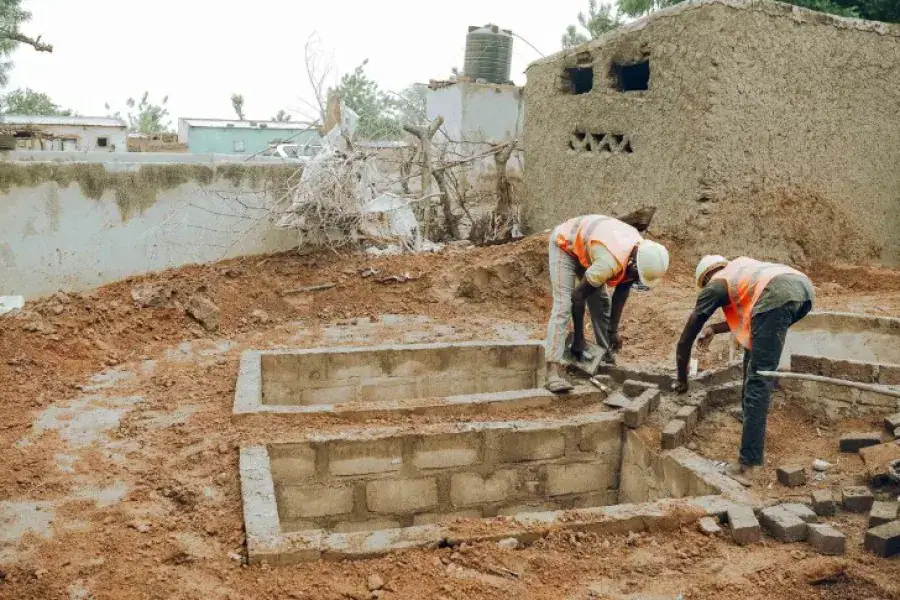
The dependence on imported fertilizers has become a structural weakness for African agriculture. The COVID-19 pandemic and the war in Ukraine have highlighted the vulnerability of African food systems to external shocks. To address this, African countries are exploring alternative solutions, such as valorizing local organic resources. Biodigesters, which convert organic matter into energy and nutrient-rich fertilizer, offer a promising solution. They can help reduce dependence on imported fertilizers and promote sustainable agriculture practices.
Biodigesters have a dual function, producing biogas, a renewable energy source, and digestate, a nutrient-rich residue that can be used as fertilizer. This fertilizer improves soil structure, water retention, and nutrient availability for crops. The use of biodigesters can help African farms reduce their expenses on fertilizers and fuel, while also enhancing their resilience to climate and economic shocks. Furthermore, the development of the biodigester market can create economic opportunities for local businesses, artisans, and agricultural service providers.
In the Sahel region, the challenge is not only accessing mineral fertilizers but also addressing soil degradation. The depletion of organic matter in soils is a significant obstacle to productivity, particularly in the face of recurring droughts and climate variability. Experiences in Burkina Faso, Mali, and Niger have shown the potential of biodigesters in addressing these challenges. When supported by local organizations, financing mechanisms, and businesses, biodigester development can contribute to sustainable improvements in agricultural production systems.
The use of biodigesters aligns with the vision of food security in Sahel countries, which emphasizes the valorization of local resources and expertise. By transforming locally available organic resources into energy and fertilizers, biodigesters can support agricultural production and reduce dependence on imported inputs. This approach can be a concrete step towards achieving food sovereignty. SNV, an organization with three decades of experience in developing the sector, has contributed to the installation of over a million biodigesters in Africa, Asia, and Latin America.
The experience of SNV and other organizations highlights the importance of a structured market, quality installations, access to financing, after-sales services, user training, and favorable public policies. To make biodigesters a lever for resilience and food sovereignty, governments, technical partners, and development actors must support their large-scale deployment and integration into agricultural input supply chains. This will require a concerted effort to recognize the contribution of biodigesters to agricultural policies and food system development strategies.
While biodigesters will not replace mineral fertilizers entirely, their potential merits greater recognition in agricultural policies and development strategies. By valorizing local resources and promoting sustainable agriculture practices, biodigesters can help address some of the challenges facing African agriculture. As the world grapples with the complexities of food security, solutions like biodigesters offer a promising avenue for reducing dependence on imported inputs and promoting resilience in the face of external shocks.
Key points
- Biodigesters can help reduce dependence on imported fertilizers and promote sustainable agriculture practices in the Sahel region.
- The use of biodigesters can support agricultural production and reduce dependence on imported inputs, contributing to food sovereignty.
- A structured market and favorable public policies are essential for the large-scale deployment of biodigesters in Africa.