Social media platforms have become a hub for real estate marketing in Nigeria, with many young professionals being targeted by real estate companies and independent agents. However, buying property online also opens the door to smooth-talking fraudsters and problematic developers. Many buyers have lost millions of Naira simply because they trusted high-budget promotional videos and celebrity endorsements over basic legal due diligence.
To avoid falling victim to real estate scams, it is essential to conduct a physical site visit and inspect the boundaries of the land. A promotional video posted on Instagram or TikTok can easily hide environmental flaws, structural defects, or fake locations. Buyers must visit the property physically or delegate a trusted representative to walk the exact boundaries of the estate. This allows them to confirm accessibility, check if the terrain is prone to heavy flooding, verify electricity infrastructure, and ensure the land actually exists where the seller claims it is.
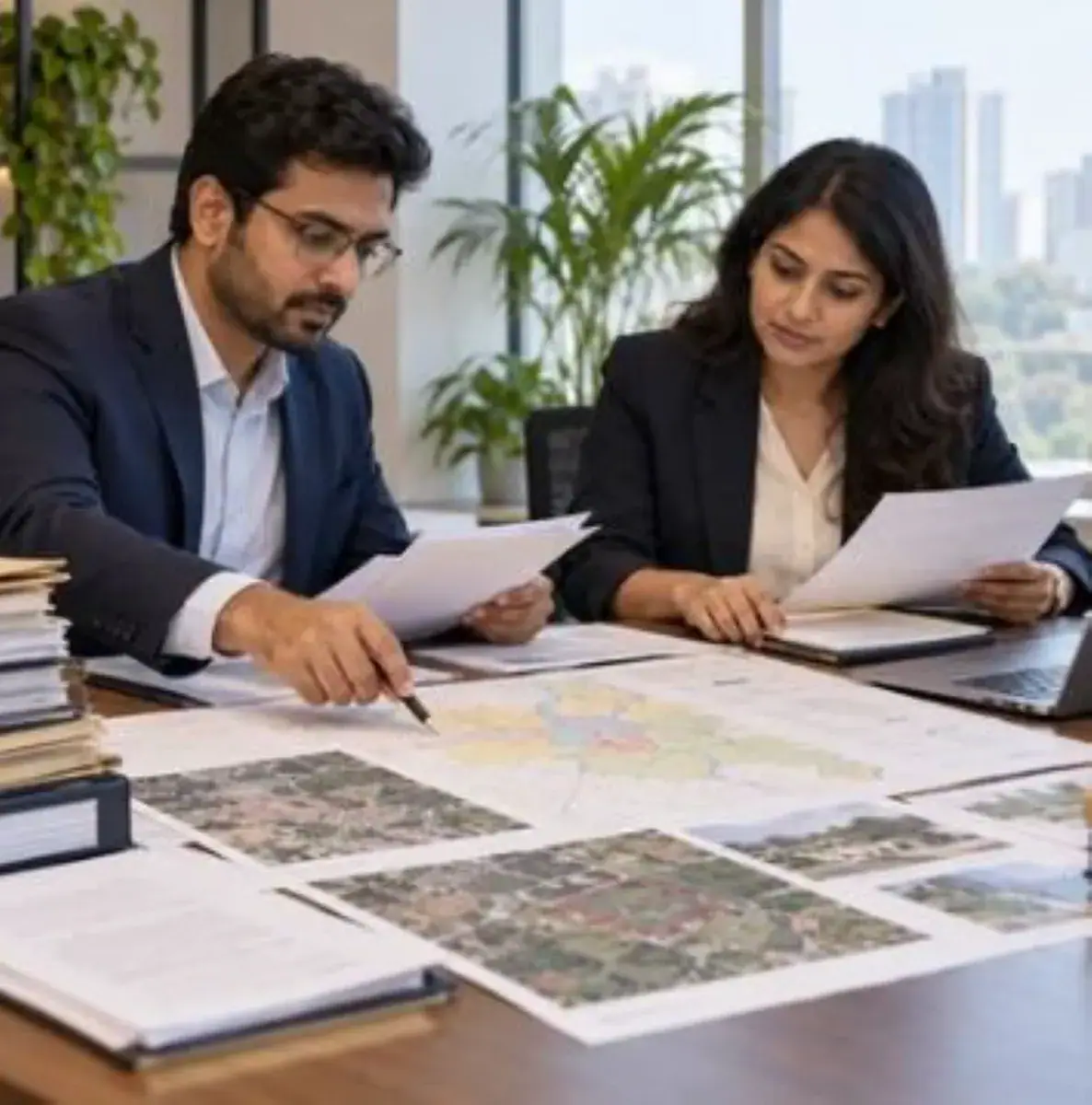
Verifying land charting at the state surveyor general's office is another crucial step. Every piece of land falls within a specific government master plan, and some plots are strictly earmarked for future public projects, roads, or coastal conservation. Buying land in a government acquisition area or committed zone means buyers will never receive a legal building permit, and the government can demolish their structure without compensation. Obtaining the exact coordinates of the land from the seller's survey plan and taking them to the Office of the State Surveyor General or state eGIS portal can reveal the true status of the land.
Checking the authentic title documents at the land registry is also vital. An attractive real estate banner on Facebook may claim a property has a "Gazette," "Certificate of Occupancy (C of O)," or "Governor's Consent," but marketing terms do not equal legal ownership. Sellers sometimes use technical real estate buzzwords to mislead unsuspecting buyers. Taking a copy of the property title to the State Lands Bureau or Ministry of Lands to conduct an official search can confirm if the document is authentic, verify the real legal owner, and expose whether the property has been pledged as collateral for a bank loan or carries a legal dispute in court.
Confirming corporate registration with CAC and LASRERA is another essential step. Many real estate companies advertising online operate as unregistered businesses without corporate accountability. Dealing with an unregistered company makes it extremely difficult to recover money if the transaction turns sour. Searching the business name on the Corporate Affairs Commission (CAC) public registry can confirm its legal existence and active directors. In states like Lagos, verifying if the firm or agent is registered with the Lagos State Real Estate Regulatory Authority (LASRERA) can monitor local real estate practice and track fraudulent operators.
Demanding the original layout and approved perimeter survey, verifying ownership history and family roots (Omonile), and insisting on official bank accounts and written legal contracts are also crucial. A legitimate real estate firm selling estate plots will always have an approved perimeter survey and an official layout plan showing how plots, roads, drainage systems, and green areas are structured. Verifying the chain of ownership is essential, especially when purchasing land directly from local family heads or traditional landholders. Insisting on official bank accounts and written legal contracts can prevent fraudulent transactions.
Taking these seven basic verification steps before making a land purchase online can shield hard-earned income from real estate scams and guarantee a peaceful property ownership journey. Buyers must be cautious when dealing with real estate companies and agents on social media, and always prioritize due diligence. By following these steps, buyers can ensure a smooth and secure transaction.
Key points
- Conduct a physical site visit and inspect the boundaries of the land.
- Verify land charting at the state surveyor general's office.
- Check the authentic title documents at the land registry.
Reporting sources
- 7 things to verify before paying for land advertised on social media · Nigerian Tribune