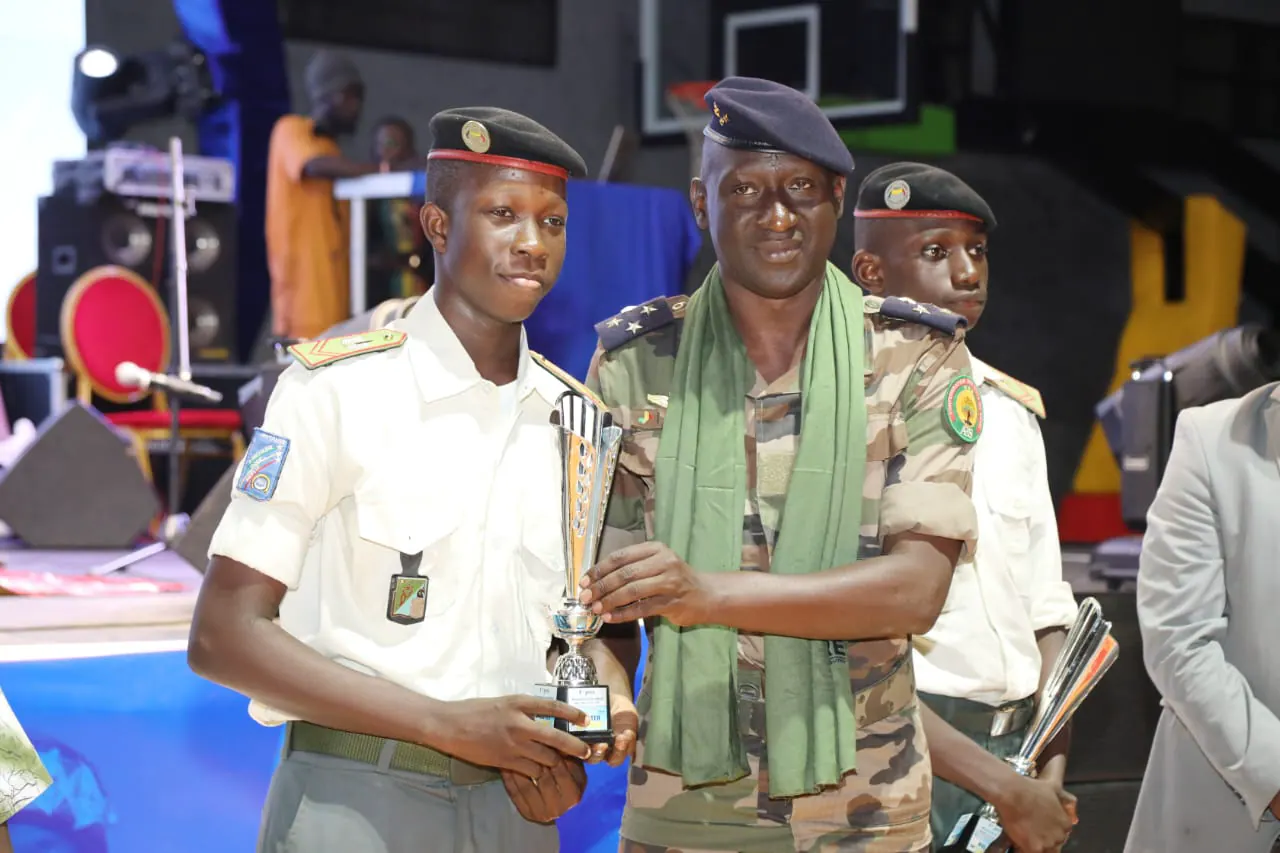
The fifth edition of Mali's National Reconciliation Week concluded on September 22 at the Palais des sports Salamatou Maïga in Bamako. The event, known as the 'Night of Reconciliation,' was presided over by General Ismaël Wagué, Minister of State for National Reconciliation, Peace, and National Cohesion. This year's theme was 'Education, Culture, and Reconciliation: Building Resilient Citizenship for Peace in the AES and Subregion.' The week-long event aimed to promote peace as a shared responsibility and strengthen trust among communities through education and culture.
The National Reconciliation Week was launched on September 15 at the Bamako International Conference Center. The event featured various activities, including competitions in drones, video games, and horse racing. The closing ceremony was divided into two parts: the first part involved awarding prizes to the winners of these competitions, while the second part featured performances by artists from countries that are members of the Alliance of Sahel States. These performances conveyed messages of peace, reconciliation, and coexistence.
According to General Ismaël Wagué, the week-long event was successful in promoting national reconciliation. He stated that several actions were taken during the fifth edition to foster reconciliation. The minister emphasized the importance of sustaining and improving the National Reconciliation Week annually, allowing Malians to come together around the values of peace and national cohesion.
The National Reconciliation Week is part of Mali's efforts to address its ongoing challenges, including insecurity and social tensions. The event brought together people from different backgrounds and communities, providing a platform for dialogue and exchange. By promoting education and culture, the organizers aimed to build a more resilient and peaceful society.
General Wagué expressed his gratitude to the organizing teams for their efforts in making the event a success. He described the fifth edition as 'a very beautiful success.' The minister's sentiments reflect the positive impact of the National Reconciliation Week on Mali's path towards peace and stability.
The Alliance of Sahel States, comprising Mali, Burkina Faso, and Niger, has been working to strengthen cooperation and address common challenges in the region. The National Reconciliation Week is an example of Mali's commitment to promoting peace and stability, not only within its borders but also in the wider subregion.
As Mali continues to navigate its complex security and social landscape, events like the National Reconciliation Week are crucial in promoting a culture of peace and reconciliation. The success of the fifth edition underscores the importance of sustained efforts to build a more peaceful and cohesive society.
Key points
- The fifth edition of Mali's National Reconciliation Week concluded with a ceremony at the Palais des sports Salamatou Maïga in Bamako.
- The event promoted peace and reconciliation through education, culture, and community engagement.
- The National Reconciliation Week is expected to be sustained and improved annually to foster a culture of peace and national cohesion in Mali.