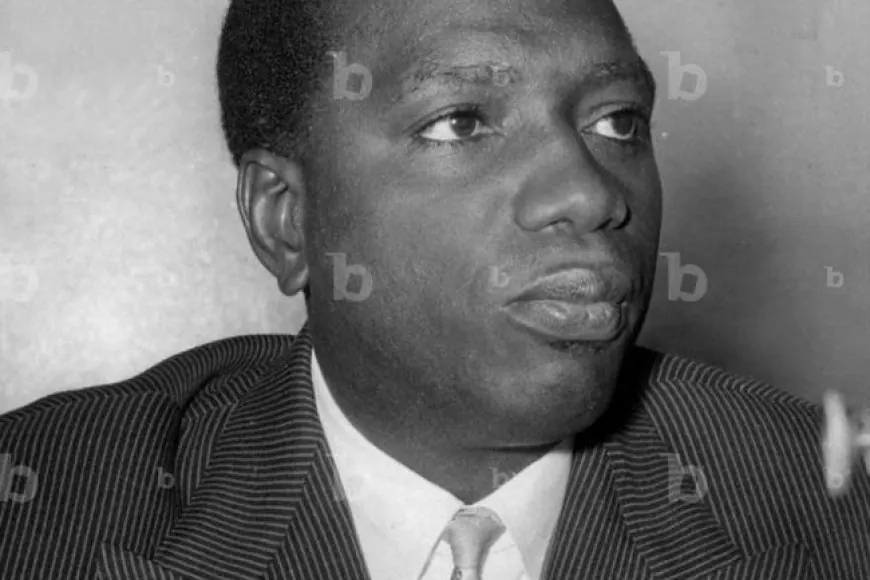
Mali celebrated its 66th independence anniversary on September 28, 2026. The occasion sparked renewed debate about recognizing Modibo Kéita, the country's first president, as a national hero. Many Malians believe Kéita's contributions to the nation's independence and development warrant greater recognition. Despite being hailed as the "father of national independence," Kéita's legacy is not adequately honored.
President Assimi Goïta recently paid tribute to Kéita during the independence celebrations, saying, "I express our recognition to President Modibo Keïta and his companions." While Goïta's remarks acknowledge Kéita's efforts, some Malians feel they fall short of adequately honoring his legacy. The president's comments were seen as a "service minimum," highlighting the need for more concrete actions to immortalize Kéita's memory.
Currently, only two places in Bamako bear Kéita's name: the Modibo Kéita Memorial and the Bamako-Sénou International Airport. While the airport serves as a strategic location symbolizing Kéita's bravery, many believe that a more extensive memorial is needed to properly honor his contributions. Some observers suggest that a grand memorial, similar to those built for other African leaders like Ghana's Kwame N'Krumah, would be a fitting tribute to Kéita's legacy.
The push to recognize Kéita as a national hero gained momentum during Mali's transition to democracy. Many Malians argue that Kéita's selfless dedication to the country warrants greater recognition. The president's limited remarks about Kéita during independence celebrations have sparked questions about the government's commitment to honoring his legacy.
In contrast to Mali's subdued recognition of Kéita, other African countries have built grand memorials to honor their independence leaders. For example, Ghana's Julius Nyerere Memorial Park and Cuba's José Martí Memorial serve as testaments to the enduring legacies of their respective leaders. Malians believe that a similar memorial would not only honor Kéita but also attract tourists and promote national pride.
The debate surrounding Kéita's legacy highlights the complexities of Mali's history and the need for a more comprehensive approach to preserving its cultural heritage. As Mali continues to navigate its transition to democracy, many hope that the government will take concrete steps to honor Kéita's memory and promote national unity.
Ultimately, the recognition of Modibo Kéita as a national hero will require a sustained effort from Mali's leaders and citizens. By working together, Malians can ensure that Kéita's legacy is properly honored and that his contributions to the country's independence and development are never forgotten.
Key points
- Mali's leaders are urged to take concrete steps to honor Modibo Kéita's legacy and promote national unity.