The Ghana National Association of Teachers (GNAT) has expressed concern over the prolonged disruption to the country's education system, emphasizing the crucial role teachers play in Ghana's development. GNAT Head of Salaries, Isaac Nii Baah, stated that teachers are eager to return to the classroom but stressed that their concerns must first be addressed. He highlighted the significance of education to Ghana's growth, noting that any nation seeking to develop must prioritize education.
The nationwide industrial action, declared by GNAT, National Association of Graduate Teachers (NAGRAT), and Coalition of Concerned Teachers, Ghana (PRETAG), began on Friday, September 25, 2026. The teacher unions cited frustration over the Fair Wages and Salaries Commission (FWSC) and the Controller and Accountant-General's Department's (CAGD) handling of issues related to their conditions of service. The strike has resulted in children being kept away from school, causing worry among teachers and parents.
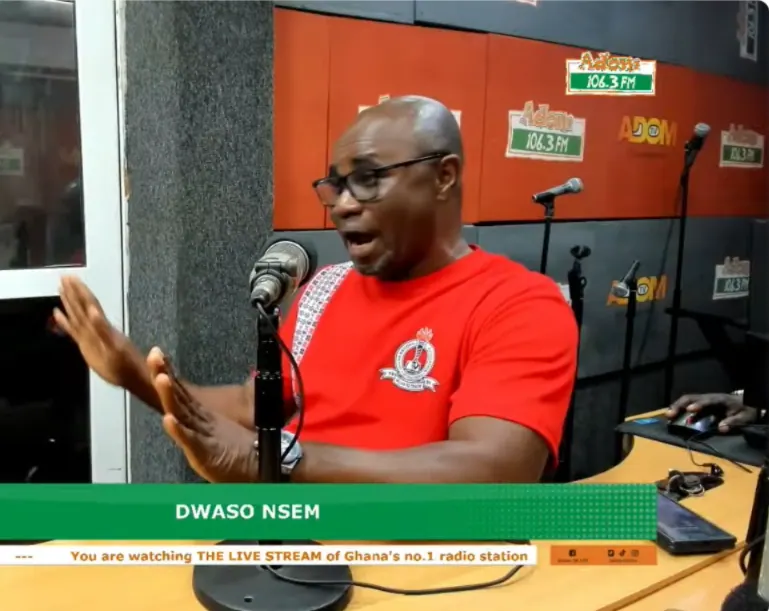
Isaac Nii Baah, speaking on Adom FM's Dwaso Nsem, emphasized that the strike affects not only teachers but also pupils. He expressed concern about the impact on the country's education system and urged anyone with advice on the impasse to direct it towards finding a solution that will enable teachers to resume work. Mr. Baah stressed that Ghana's development relies heavily on its education system and the role of teachers in it.
The teacher unions' decision to embark on a nationwide strike follows what they describe as prolonged delays in addressing critical concerns affecting teachers. GNAT, NAGRAT, and PRETAG are seeking a resolution to the issues that have been affecting teachers' conditions of service. The unions are pushing for a solution that will enable teachers to return to the classroom and ensure the smooth operation of the education system.
Mr. Baah's comments come as the government faces criticism for its handling of the issues affecting teachers. NAGRAT has accused the government of acting in bad faith, further escalating tensions between the two parties. The government is yet to respond to the accusations, but GNAT is urging it to take the necessary steps to resolve the dispute.
The strike has significant implications for Ghana's education system, with thousands of students affected. The country's education sector has faced several challenges in recent years, including inadequate infrastructure and teacher shortages. The teacher unions' strike has added to these challenges, highlighting the need for a comprehensive solution to address the concerns of teachers and ensure the smooth operation of the education system.
As the strike continues, there are growing concerns about the impact on the country's development. Education is widely regarded as a key driver of economic growth, and the prolonged disruption to the education system could have far-reaching consequences. GNAT and the other teacher unions are urging the government to take immediate action to address their concerns and find a solution to the dispute.
Key points
- The Ghana National Association of Teachers (GNAT) has called on the government to take necessary steps to resolve the issues behind the ongoing teacher strike.
- The nationwide industrial action was declared by GNAT, National Association of Graduate Teachers (NAGRAT), and Coalition of Concerned Teachers, Ghana (PRETAG) over unresolved issues affecting teachers.
- The strike has resulted in thousands of students being kept away from school, causing worry among teachers, parents, and the general public.