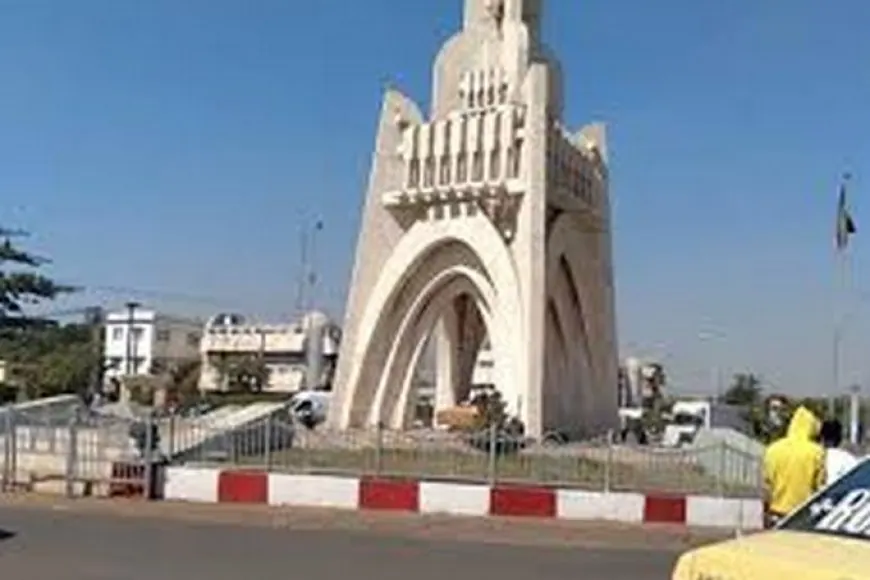
The Republic of Mali celebrated its 66th anniversary of independence on September 22, 2026, with a renewed sense of purpose and determination. The country has been undergoing a transition period since August 2020, marked by significant reforms and a reaffirmation of its sovereignty. The celebrations, which took place in Bamako and other regional capitals, were characterized by impressive displays of military might and a sense of national pride. This anniversary is not just a commemoration of a date, but a reflection of a Mali in transformation, ready to forge its own path.
The country's journey to independence was marked by the efforts of its founding fathers, including Modibo KEÏTA, who led the country to freedom on September 22, 1960. Since then, Mali has faced numerous challenges, including security, economic, and sociopolitical issues. However, despite these challenges, the country has shown resilience and determination, with a strong desire for real sovereignty. The current transition authorities have prioritized the reaffirmation of Mali's sovereignty, with a focus on self-determination and respect for the country's strategic choices.
The transition authorities have initiated significant reforms aimed at strengthening the country's institutions and economy. These reforms include the establishment of a new constitution, the organization of national dialogues, and the refoundation of key sectors such as mining. The government has also prioritized the improvement of the living and working conditions of the military, which has contributed to the country's renewed sense of security and stability. The Malian army has made significant gains in the fight against terrorism, with notable victories in recent months.
One of the key aspects of Mali's renewed sense of sovereignty is its control over its own security. The Malian army has taken the lead in defending the country's territory, with significant successes against terrorist groups. This shift in approach has marked a departure from the past, when the country's security was largely dependent on foreign forces. The current approach is aimed at ensuring that the country's security is autonomous and responsive to local needs.
The country's refoundation is also reflected in its economic and social development. The government has prioritized the development of key sectors such as mining, with a focus on increasing local content and ensuring that the country's resources are harnessed for the benefit of its citizens. The authorities have also emphasized the importance of good governance and transparency in the management of the country's resources.
As Mali looks to the future, it is clear that the country is determined to forge its own path. The celebrations on September 22, 2026, were not just a commemoration of the country's independence, but a call to action and a commitment to the country's values of sovereignty, dignity, and self-determination. The country's leaders have emphasized the need for unity, vigilance, and responsibility in the face of the challenges that lie ahead.
The road ahead for Mali is not without its challenges, but the country's renewed sense of purpose and determination is a positive sign. The country's 66th anniversary of independence has marked a significant milestone in its journey towards real sovereignty and self-determination. As the country looks to the future, it is clear that it will continue to prioritize its independence, sovereignty, and dignity.
Key points
- Mali's 66th anniversary of independence marks a significant milestone in its journey towards real sovereignty and self-determination.
- The country's transition authorities have prioritized the reaffirmation of Mali's sovereignty, with a focus on self-determination and respect for the country's strategic choices.
- The Malian army has made significant gains in the fight against terrorism, with notable victories in recent months.