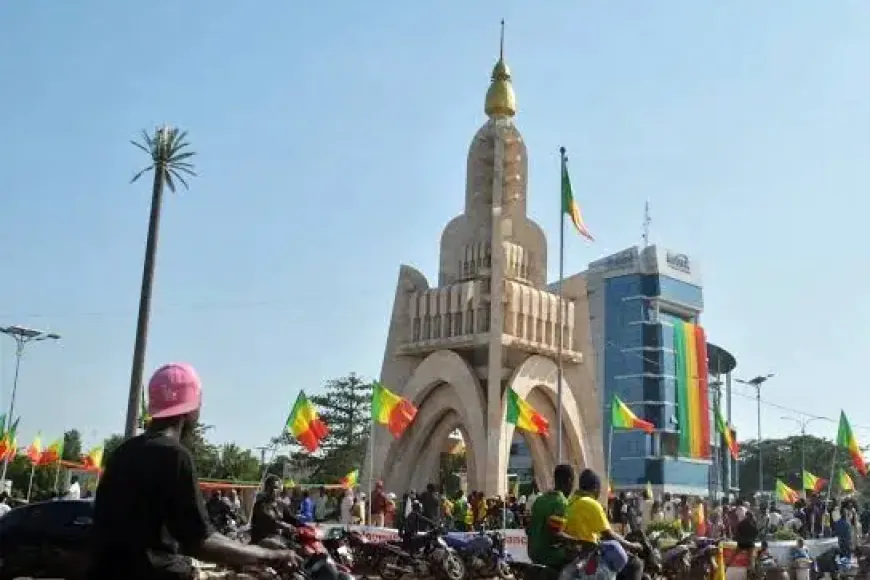
The Republic of Mali is set to commemorate the 66th anniversary of its independence on September 22, 2026. This celebration occurs amidst significant changes, including a transition period, ongoing security and economic challenges, and substantial institutional reforms. The country's journey towards refoundation and enhanced sovereignty is a focal point of this year's commemoration. The independence, achieved in 1960 under Modibo Keïta's leadership, marked a pivotal moment in Mali's history.
The current context of Mali's independence celebration is vastly different from the past, characterized by a transition period initiated in 2020. This period has seen efforts to reassess and reform the country's foundational, security, and economic structures. Key initiatives include the Assises nationales de la refondation, the adoption of a new Constitution, and the Dialogue inter-Maliens. These efforts aim to redefine Mali's development trajectory and enhance its sovereignty.
The security situation remains a pressing challenge for Mali, despite progress in reorganizing its defense and security forces. The government has highlighted the growth in capabilities of the Forces Armées du Mali (FAMa), achieved through enhanced operational capacities, military training, acquisition of new equipment, and infrastructure development. Initiatives such as the establishment of the École de guerre du Mali and the construction of military housing and new camps are part of a broader strategy to bolster national defense.
Mali's diplomatic landscape is undergoing a significant transformation, reflecting its quest for greater sovereignty. The country has diversified its partnerships, strengthening ties with nations like Russia, China, Turkey, and Iran, while reevaluating its relationships with traditional partners. This diplomatic reorientation is guided by principles that prioritize national sovereignty, strategic partnership choices, and the vital interests of the Malian people.
A cornerstone of Mali's new diplomatic approach is the Alliance des États du Sahel, now known as the Confédération des États du Sahel. The signing of the Pacte du Liptako-Gourma in September 2023 by Mali, Burkina Faso, and Niger exemplifies regional cooperation aimed at addressing security challenges and sovereignty concerns. This alliance is seen as a framework for enhancing solidarity and collective response to shared threats.
The path to independence on September 22, 1960, was a significant milestone for Mali, marking its exit from colonial rule under the leadership of Modibo Keïta. Sixty-six years later, Mali continues to navigate its development, facing both internal and external challenges. The country's leadership emphasizes the importance of this period for Mali's refoundation and the pursuit of a more pronounced sovereignty.
As Mali celebrates its 66th anniversary of independence, it does so with a focus on progress, challenges, and future aspirations. The country's journey reflects its resilience and determination to chart its course, balancing historical heritage with the quest for a more secure, economically stable, and sovereign future.
Key points
- The celebration of Mali's 66th independence anniversary highlights the country's ongoing transition, security challenges, and efforts to enhance sovereignty through institutional reforms and diplomatic reorientation.