The ministers of the Alliance of Sahel States (AES), comprising Mali, Burkina Faso, and Niger, gathered in Ouagadougou on November 11-12, 2026, to address pressing regional issues. They expressed regret over the mass expulsions of African nationals from Guinea, which have resulted in a significant influx of people into Mali, straining humanitarian and logistical resources. The ministers acknowledged the need for states to enforce their laws but lamented the large-scale and uncoordinated nature of these expulsions.
The expulsions have led to a substantial humanitarian challenge, with tens of thousands of individuals transiting through Mali on their way back to their countries of origin. In response, the Malian authorities have mobilized significant resources to provide assistance and facilitate the return of these individuals. The ministers praised Mali's efforts in welcoming Burkinabè nationals, with the Burkinabè delegation, led by General Célestin Simporé, expressing gratitude for the support provided by Bamako.
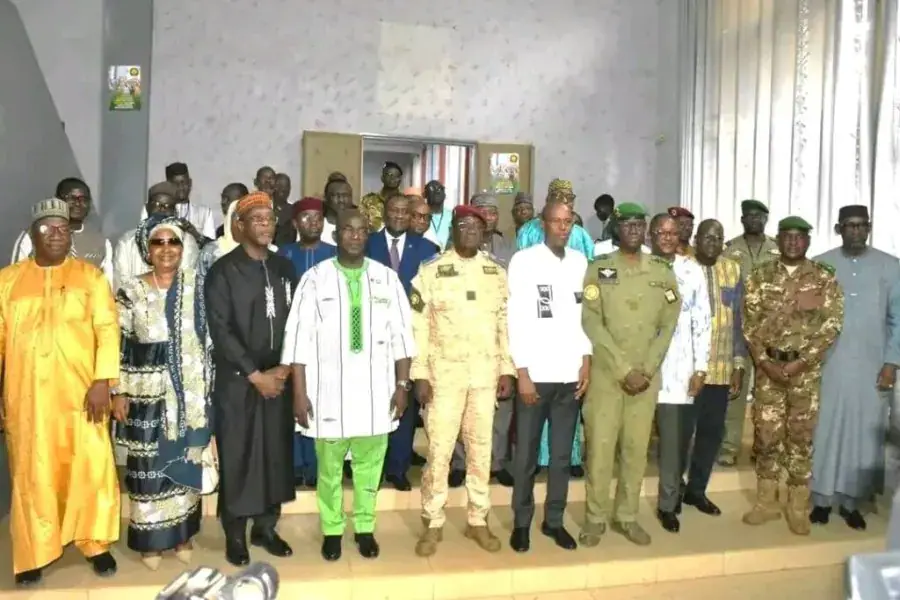
The AES ministers also reiterated their condemnation of what they perceive as persistent interference by the European Union in the internal affairs of African states. While the communiqué did not specify a particular European decision or incident, it highlighted the need for African nations to assert their sovereignty. The meeting, presided over by General Simporé, brought together a Malian delegation led by Minister of Economy and Finance Alousséni Sanou and a Nigerien delegation headed by Minister of National Defense General Salifou Mody.
The ministers evaluated the progress made in implementing the AES roadmap adopted in February 2026, focusing on defense, security, diplomacy, and development. They welcomed the advancements achieved but did not provide a detailed assessment or outline new measures with specific timelines. This session is part of the preparations for the upcoming meeting of the AES Heads of State College, although no date has been announced.
The issue of expulsions from Guinea has sparked a significant response from Mali, with authorities deploying substantial resources to manage the influx of returnees. According to reports, Mali has mobilized 74 trucks and 21 buses to repatriate approximately 15,000 artisanal miners. The situation has also drawn attention to the broader regional dynamics, with the AES states seeking to enhance cooperation and address common challenges.
The criticisms of EU interference reflect a broader sentiment among AES member states regarding external involvement in their internal affairs. The ministers' stance underscores the complexities of international relations in the Sahel region, where local dynamics intersect with global geopolitical interests. As the AES continues to evolve, its member states are likely to navigate these challenges while asserting their sovereignty.
The next steps for the AES will involve further diplomatic engagement and cooperation among its member states. With the regional security landscape remaining fluid, the Alliance's efforts to enhance coordination and address shared challenges will be closely watched. The situation with Guinea and the expulsions will likely remain a key point of discussion in future AES meetings.
Key points
- The Alliance of Sahel States criticizes European Union interference in regional affairs.
- Mali, Burkina Faso, and Niger express regret over mass expulsions from Guinea.
- The AES evaluates progress on its 2026 roadmap, focusing on defense, security, and development.
Reporting sources
- AES : les ministres déplorent les expulsions... · Maliweb.net