The Malian government has taken a significant step towards enhancing financial inclusion with the adoption of the National Financial Inclusion Strategy in 2022. This strategy aims to provide wider and more equitable access to financial services, aligning with the vision "Mali Kura ka ben san 2063 ma". The strategy focuses on women, youth, rural populations, micro, small, and medium enterprises, and individuals with limited financial knowledge.
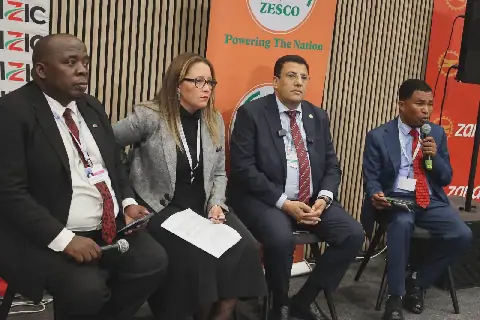
The Ministry of Economy and Finance, in collaboration with the Central Bank of West African States (BCEAO), has organized a training session for members of the National Committee to monitor the financial sector development strategy. The training, conducted through the Support and Monitoring Unit of the Financial Sector Development Strategy (UAS/SDSF), aims to equip committee members with essential knowledge on financial management, savings, credit, digital financial services, risk prevention, and user protection.
The training session covered crucial topics such as budget management, savings, credit, digital financial services, risk prevention, and user protection. Participants gained a deeper understanding of current financial mechanisms, enabling them to plan expenses, create savings, assess repayment capacity before taking credit, and compare costs and conditions of financial products. The training also emphasized secure use of digital services, fraud prevention, and client rights and obligations.
The initiative aims to empower committee members, comprising representatives from various ministerial departments, professional associations, consumer groups, regulators, and technical services, with a common knowledge base. This will enable them to assess the relevance of conducted actions, monitor results, and formulate recommendations tailored to population needs. The training also seeks to enhance coordination among stakeholders and promote informed decision-making.
By investing in financial education, the Malian government demonstrates its commitment to financial inclusion and autonomy for its citizens. The training is expected to have a positive impact on the country's financial sector, enabling individuals and businesses to make informed financial decisions and access financial services that meet their needs.
The National Committee, under the presidency of the Ministry of Economy and Finance, plays a vital role in monitoring the implementation of the National Financial Inclusion Strategy. The committee's members will be able to disseminate the knowledge acquired within their respective structures, contributing to better coordination of interventions and more effective financial inclusion.
The Malian government's efforts to promote financial inclusion and education have been ongoing, with various initiatives aimed at enhancing access to financial services. The training session for National Committee members is a significant step towards achieving the country's financial inclusion goals, ultimately contributing to economic growth and development.
Key points
- The Malian government has adopted a National Financial Inclusion Strategy to enhance access to financial services for women, youth, rural populations, and micro, small, and medium enterprises.