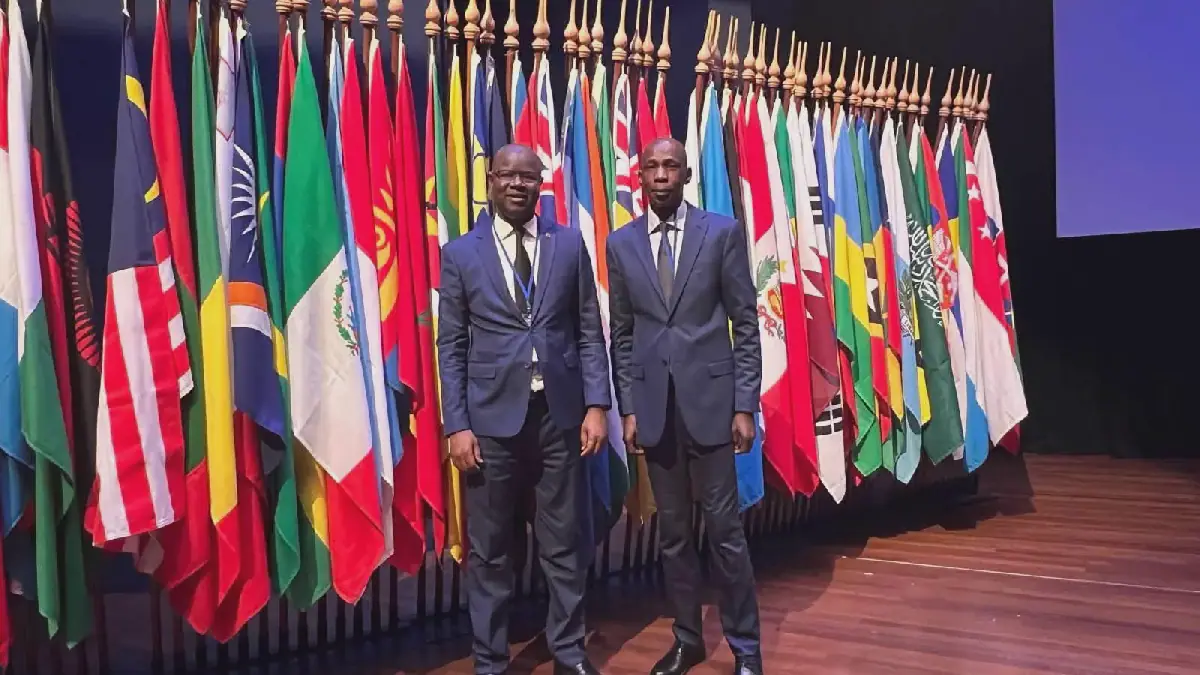
The 31st session of the Conference of States Parties to the Chemical Weapons Convention opened on November 23, 2026, in The Hague, Netherlands. The five-day conference will review the implementation of the Convention, which entered into force on April 29, 1997. The Organization for the Prohibition of Chemical Weapons (OPCW), which has 193 member states, is responsible for enforcing the Convention. The conference will be attended by representatives from OPCW member states, including Mali.
Mali is represented at the conference by a delegation led by El Hadji Alhousseini Traoré, Mali's ambassador to Belgium and permanent representative to the OPCW. During the conference, member states will examine the 2025 annual report of the Technical Secretariat and the Executive Council, elect new members to the Executive Council, and adopt the revised budget for 2027 and the scale of contributions. The conference aims to promote the implementation of the Chemical Weapons Convention and strengthen international cooperation to prevent the use of chemical weapons.
The opening session of the conference was presided over by the ambassador of El Salvador, who chaired the previous session. The ambassador of Canada, who was elected by acclamation to chair the current session, also addressed the conference, as did OPCW Director-General Sabrina Dallafior. The conference provides a platform for member states to discuss issues related to the implementation of the Chemical Weapons Convention and to address challenges and concerns.
The Chemical Weapons Convention, which entered into force in 1997, prohibits the development, production, stockpiling, and use of chemical weapons. The OPCW is responsible for verifying compliance with the Convention and promoting its implementation. The organization has 193 member states and has conducted numerous inspections and investigations to ensure compliance with the Convention.
During the conference, member states will review the progress made in implementing the Convention and address challenges and concerns related to its implementation. They will also discuss ways to strengthen international cooperation to prevent the use of chemical weapons and promote disarmament. The conference is an important opportunity for member states to engage in dialogue and cooperation on issues related to chemical disarmament.
The OPCW has made significant progress in implementing the Chemical Weapons Convention since its entry into force in 1997. The organization has verified the destruction of thousands of tons of chemical weapons and has conducted numerous inspections and investigations to ensure compliance with the Convention. However, challenges and concerns remain, and the conference will provide a platform for member states to address these issues.
The conference will conclude on November 27, 2026, with the adoption of a final declaration and a revised budget for 2027. The outcome of the conference will be important in determining the future direction of the OPCW and its efforts to promote the implementation of the Chemical Weapons Convention. Mali's participation in the conference reflects its commitment to the Convention and its efforts to prevent the use of chemical weapons.
Key points
- Mali's ambassador to Belgium, El Hadji Alhousseini Traoré, leads the country's delegation to the 31st session of the Chemical Weapons Convention conference.