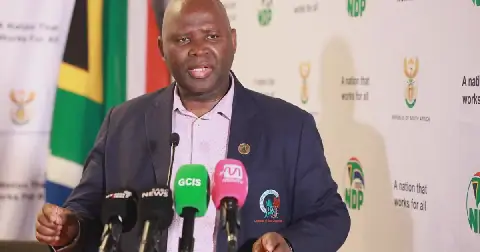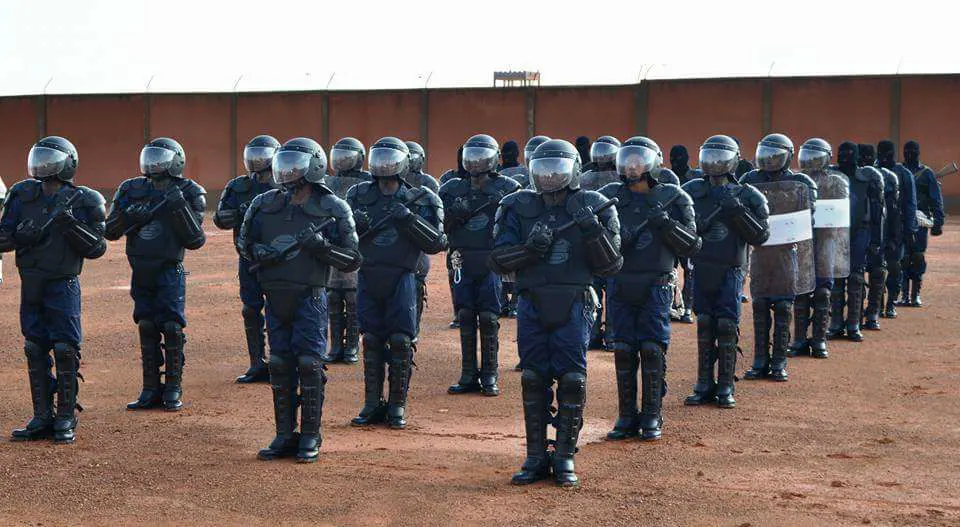
The Malian government has adopted a decree approving the National Prison Policy and its action plan for 2026-2030. This decision was made during a cabinet meeting on September 18, following a presentation on August 12. The policy aims to serve as a reference for the prison administration to respect national and international norms. The decree was adopted on the proposal of the Minister of Justice and Human Rights.
At the end of 2023, Mali's prisons counted 10,773 inmates, with 71.7% being in provisional detention. This data comes from the World Prison Brief, which cites figures from the National Human Rights Commission. The high number of inmates in provisional detention highlights the challenges facing the prison system. Provisional detainees are presumed innocent and are held during judicial proceedings.
According to the World Prison Brief, there were 60 prison facilities in Mali in 2022. However, up-to-date information on the capacity of each facility is not publicly available. The situation in prisons is a concern, with overcrowding, poor detention conditions, and inadequate infrastructure being major issues. The National Human Rights Commission and other organizations have raised concerns about these conditions.
Women make up a small proportion of the prison population in Mali. As of the end of 2023, there were 370 female inmates, representing 3.43% of the total prison population. Of these, 224 were in provisional detention, while 146 had been convicted. A report by the Association for Torture Prevention noted that one prison, the Bollé Detention, Rehabilitation, and Reintegration Center, was exclusively for women.
The Association for Torture Prevention also highlighted the lack of medical personnel in some detention facilities. This shortage affects access to medication, mental health care, and medical record-keeping. The organization recommended recruiting more female prison staff, adapting spaces for women with children, and providing vocational training activities.
The Malian government has committed to improving prison conditions by adopting the National Prison Policy. The policy's objectives and duration have been made public, but details of the action plan, budget, and monitoring indicators remain to be published. The policy is expected to address some of the concerns raised by human rights organizations and improve the lives of inmates.
International norms, including the United Nations' Nelson Mandela Rules, guide the development of Mali's prison policy. These rules cover aspects such as housing, hygiene, food, access to healthcare, discipline, family contacts, work, and preparation for release. The National Human Rights Commission plays a crucial role in monitoring prison conditions and promoting human rights.
Key points
- The Malian government has approved a National Prison Policy and action plan for 2026-2030 to improve prison conditions and administration.
- Mali's prisons had 10,773 inmates at the end of 2023, with 71.7% in provisional detention.
- Women make up 3.43% of Mali's prison population, with 370 female inmates reported at the end of 2023.