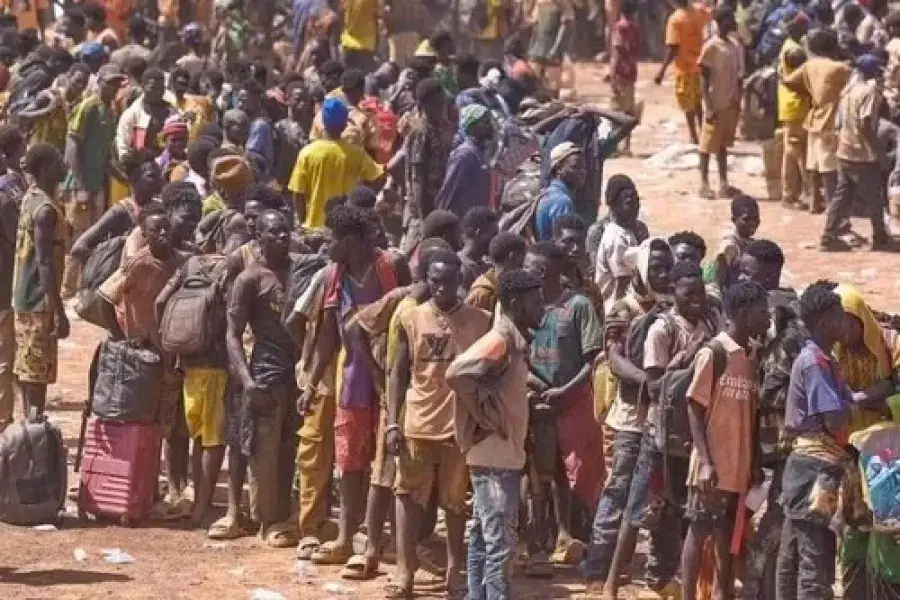
The expulsion of thousands of young African miners from Guinea has sparked a crisis in the region. The miners, mostly from Burkina Faso and Mali, were forced to leave their mining sites in Guinea's Siguiri region without prior notice. This move has been criticized by many, including the Malian government, which has opened its borders to provide aid to the expelled miners. The situation has highlighted the tensions between Guinea and its neighboring countries in the region.
The expulsion of the miners was carried out by Guinean authorities on November 2, 2026, who cited environmental concerns as the reason for the action. However, many have questioned the timing and method of the expulsion, which left many miners without warning or support. The Malian government has responded by providing a humanitarian corridor for the expelled miners and coordinating aid efforts with Burkina Faso.
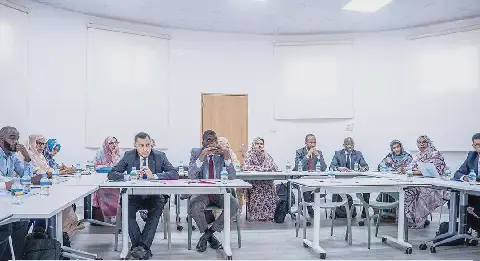
The crisis has also highlighted the complexities of regional relationships in West Africa. Guinea's actions have been seen as inconsistent with the principles of the Economic Community of West African States (ECOWAS), which promotes free movement of people and goods. The Alliance of Sahel States (AES), comprising Mali, Burkina Faso, and Niger, has responded with a show of solidarity to the expelled miners.
The environmental concerns cited by Guinea as the reason for the expulsion are valid, but many have questioned the selective enforcement of environmental regulations. The Guinean government has recently inaugurated a large gold refinery, which has raised questions about the country's commitment to protecting the environment. The expulsion of small-scale miners has been seen as a way to secure the interests of large-scale mining operations.
The humanitarian response to the crisis has been led by Mali and Burkina Faso, which have provided aid and shelter to the expelled miners. The Malian government has coordinated with the Burkinabè government to provide convoys of aid, including food and shelter, to the affected communities. This show of solidarity has been seen as a positive step in regional relationships.
The crisis has also raised questions about the future of regional relationships in West Africa. The expulsion of the miners has highlighted the tensions between Guinea and its neighboring countries, and the need for greater coordination and cooperation on issues such as economic development and environmental protection. The AES has responded to the crisis with a show of solidarity, which has been seen as a positive step towards greater regional cooperation.
The situation remains fluid, with many of the expelled miners still in need of support and assistance. The Malian and Burkinabè governments have pledged to continue providing aid to the affected communities, and the international community has been urged to provide support to the humanitarian efforts. The crisis has highlighted the need for greater regional cooperation and coordination on issues such as economic development, environmental protection, and humanitarian response.
Key points
- The expulsion of thousands of young African miners from Guinea has sparked a crisis in the region, with Mali and Burkina Faso providing aid to the affected communities.
- The crisis has highlighted the tensions between Guinea and its neighboring countries, and the need for greater coordination and cooperation on issues such as economic development and environmental protection.
- The Alliance of Sahel States (AES) has responded to the crisis with a show of solidarity, which has been seen as a positive step towards greater regional cooperation.
Reporting sources
- Focus ! Solidarité ou chasse à l’homme... · Maliweb.net