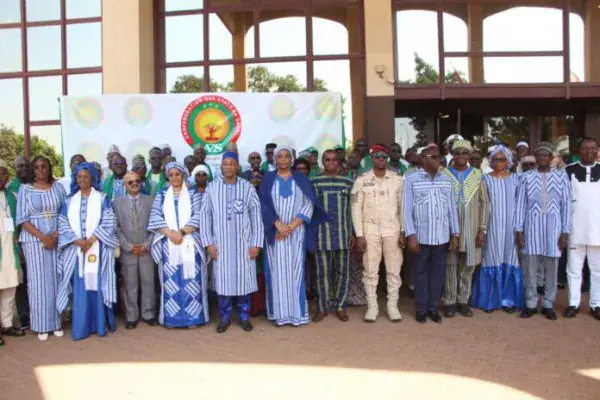
The Alliance of Sahel States (AES) comprising Mali, Niger, and Burkina Faso, has taken steps to enhance working conditions and social protection for its populations. On November 13, 2026, ministers responsible for public service, labor, and social protection from the three countries convened in Ouagadougou, accompanied by experts and resource persons. The meeting aimed to finalize strategic instruments to achieve better working conditions and social protection.
The ministers endorsed four strategic instruments designed to promote decent work and social protection across the AES region. These instruments are expected to strengthen cooperation and coordination among the member states, ultimately improving the quality of life for their citizens. The agreement reflects the AES's commitment to addressing the socio-economic challenges faced by its populations.
The meeting in Ouagadougou is part of a broader effort to enhance regional cooperation and coordination on labor and social protection issues. By adopting these strategic instruments, the AES countries demonstrate their willingness to work together to address common challenges and promote sustainable development. The instruments will likely focus on issues such as labor rights, social security, and occupational health and safety.
The endorsement of these strategic instruments is a significant milestone for the AES, as it marks a crucial step towards achieving its socio-economic objectives. The next phase will involve implementing these instruments, which will require close collaboration and coordination among the member states. The AES countries will need to ensure effective enforcement and monitoring mechanisms to guarantee the success of these initiatives.
The AES's efforts to improve working conditions and social protection are aligned with its broader development goals. The alliance aims to promote economic growth, reduce poverty, and enhance the well-being of its populations. By addressing the socio-economic challenges faced by its citizens, the AES can foster a more stable and prosperous region.
The meeting in Ouagadougou also highlights the importance of regional cooperation in addressing labor and social protection issues. The AES countries recognize that these challenges are often transnational and require a coordinated response. By working together, the member states can share best practices, leverage resources, and develop more effective solutions to common problems.
The implementation of these strategic instruments will be closely watched by stakeholders, including civil society organizations, trade unions, and the private sector. These groups will play a crucial role in ensuring the success of these initiatives and promoting their sustainability. The AES countries must engage in open and inclusive dialogue with all stakeholders to guarantee that the needs and concerns of all parties are taken into account.
Key points
- The AES countries have endorsed four strategic instruments to improve working conditions and social protection for their populations.