The Minister of Agriculture in Mali recently informed the Council of Ministers about the country's participation in a meeting of sectoral ministers focused on the cotton-textile, phosphates-fertilizers, and rice sectors. This meeting was held in Ouagadougou, Burkina Faso, on October 23, 2026. The meeting was part of the implementation of the "IMPACT 2030" strategic plan of the West African Economic and Monetary Union (UEMOA). The goal was to ensure political support for the orientations of the three sectors by 2040 and their regional programs for 2026-2030.
During the meeting, ministers took note of the White Papers and approved the regional programs for the three sectors. For the cotton-textile sector, the goal is to transform at least 50% of the fiber produced in the Union. The ambitions also concern the phosphates-fertilizers and rice sectors. For phosphates-fertilizers, the goal is to increase fertilizer consumption from 13 kg to 50 kg per hectare. For the rice sector, the objective is to increase the self-sufficiency rate from 58% to 90%.
The ministers also committed to ensuring the political support of the programs, integrating their actions into national policies, strategies, and budgets, and transmitting the project portfolios to the Commission. This commitment aims to ensure the effective implementation of the programs and to achieve the set objectives. The meeting was an opportunity for ministers to discuss the challenges and opportunities in the three sectors and to identify ways to overcome them.
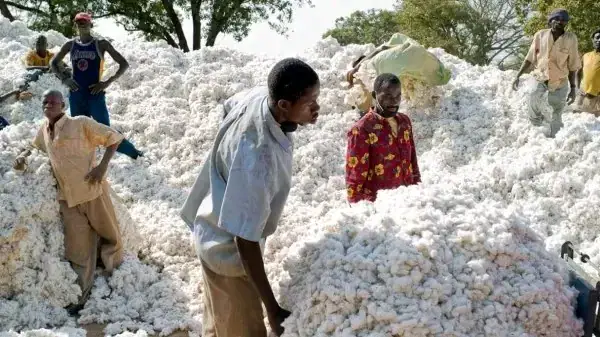
The cotton sector is a crucial one for Mali, with many producers relying on it for their livelihood. The country's cotton production has been increasing in recent years, and the government is seeking to add value to this production by transforming more of the fiber into textiles. This will not only create jobs but also increase the country's revenue.
The IMPACT 2030 strategic plan of the UEMOA aims to promote economic integration and development in West Africa. The plan focuses on several key sectors, including agriculture, infrastructure, and trade. The cotton-textile sector is one of the priority areas, and the UEMOA is working to support the development of this sector in its member countries.
Mali's participation in the meeting and its commitment to the IMPACT 2030 strategic plan demonstrate its willingness to work with its regional partners to promote economic development. The country is seeking to diversify its economy and reduce its dependence on a single sector. The transformation of the cotton sector is a key part of this strategy.
The implementation of the regional programs for the cotton-textile, phosphates-fertilizers, and rice sectors will require significant investment and technical support. The UEMOA and its partners will need to work together to provide the necessary resources and expertise to support the development of these sectors. The success of these programs will depend on the commitment and cooperation of all stakeholders.
Key points
- Mali aims to transform at least 50% of its cotton fiber by 2030 as part of the UEMOA's IMPACT 2030 strategic plan.