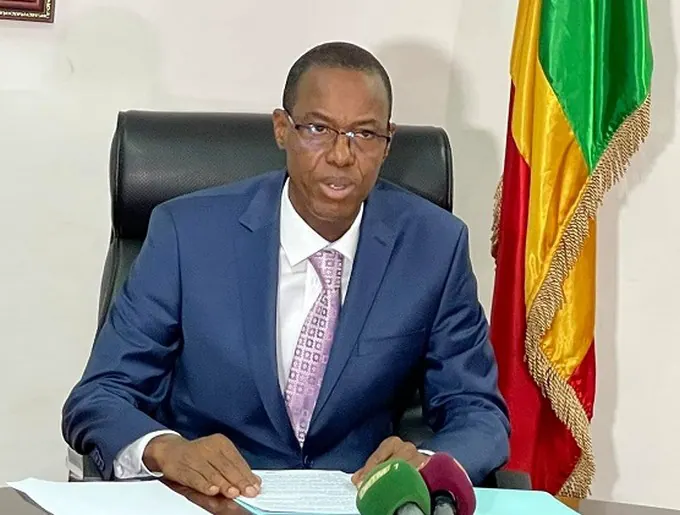
Mali's economy is expected to accelerate in 2026, with a projected growth rate of 6.3%, according to President Assimi Goïta's address to the nation on September 22. This represents an increase from the 5.6% growth rate expected in 2025. The projection is part of the government's efforts to consolidate economic recovery despite ongoing security and social challenges.
The 6.3% growth projection is not new, as it was also included in the 2026 finance bill. The bill assumes a real GDP growth rate of 6.3% in 2026, up from 6% in 2025. The regional outlook is also favorable, with the BCEAO predicting 6.1% growth for the UEMOA region in 2026. The region's growth is driven by the extractive and manufacturing industries, commerce, services, and agriculture.
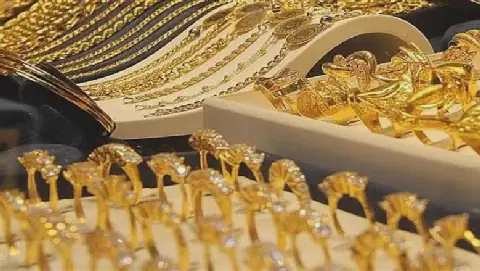
The mining sector is expected to play a significant role in Mali's economic growth. The International Monetary Fund (IMF) believes that improved security and a rebound in gold production could boost economic activity in 2026. Mali is a significant gold producer, and the sector is a crucial contributor to the country's economy.
The government aims to translate the projected growth into tangible improvements in living standards. This includes creating jobs, developing infrastructure, supporting national production, and increasing investments. To achieve the 6.3% growth rate, several factors must align, including improvements in security, gold production, energy access, agricultural output, and the regional and international economic environment.
The Malian government's projection of 6.3% growth demonstrates its ambition to maintain an economic growth trajectory above 6%, despite ongoing challenges. The country's economy has faced significant hurdles, including security concerns and social issues. However, the government is working to address these challenges and create a favorable business environment.
The BCEAO's prediction of 6.1% growth for the UEMOA region is driven by various factors, including the dynamism of extractive and manufacturing industries, commerce, and services. The region's agricultural sector is also expected to contribute to growth. Mali's economy is closely tied to the regional economy, and the country's growth prospects are influenced by regional trends.
The realization of Mali's 6.3% growth projection will depend on various factors, including the evolution of the security situation, gold production, energy access, agricultural output, and the regional and international economic environment. The government must navigate these challenges to achieve its economic goals and improve the living standards of its citizens.
Key points
- Mali aims to achieve 6.3% economic growth in 2026, driven by the mining sector and regional trends.
- The government seeks to translate growth into tangible improvements in living standards through job creation and infrastructure development.
- The realization of the growth projection depends on various factors, including security, gold production, and the regional economic environment.