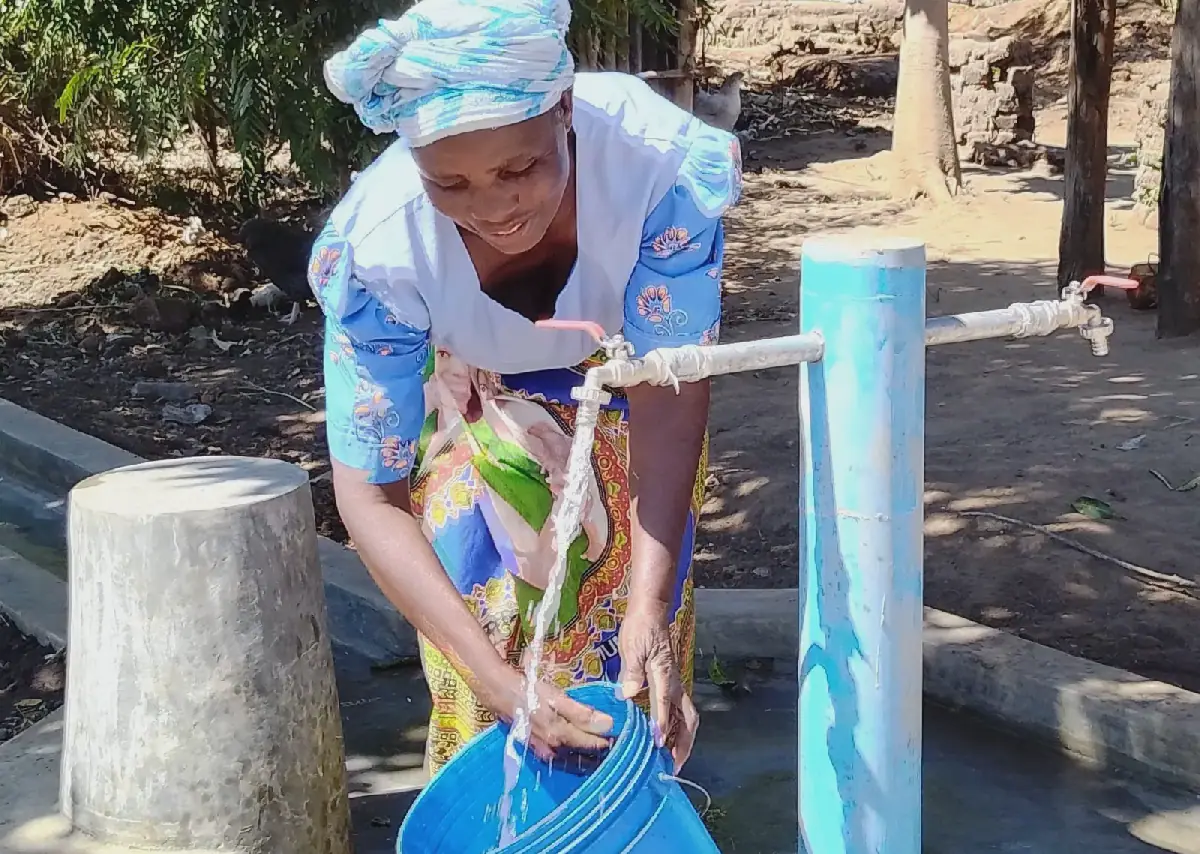
Access to safe and clean water is a fundamental human right, adopted by the United Nations General Assembly on July 28, 2010. However, in Malawi, this right is often violated, with residents experiencing frequent interruptions in water supply. Elizabeth Tembo, a resident of Chatha, Chileka, on the outskirts of Blantyre City, expressed frustration with the situation, saying that a month never passes without supply interruptions.
Despite paying her monthly water bills, Tembo often has to purchase bottled water from supermarkets for drinking, at a cost of around K40,000 per week. She also relies on a borehole in her community, but has to pay part-time piece workers between K700 and K1,000 per bucket. This additional expenditure is a burden for Tembo, a single mother of two. The situation is not unique to Tembo, with many Malawians facing similar challenges.
The issue is a public health threat, with the country's water crisis exposing residents to waterborne diseases like cholera, typhoid, and dysentery. According to the United Nations, safe water, sanitation, and hygiene are essential for health and wellbeing. The UN's Sustainable Development Goal 6 aims to ensure universal access to safe and affordable drinking water by 2030. However, with only 18 percent of Malawians having access to safely managed drinking water services, the goal seems distant.
Consumers Association of Malawi executive director John Kapito described the challenges faced by consumers as appalling, citing the lack of a clear strategy by water boards to address the persistent water scarcity. Kapito called for a complete overhaul of the water boards' operations to protect their infrastructure and prevent vandalism. The situation is further complicated by climate-related disasters, which damage water and sanitation systems and threaten public health.
The water crisis also affects the country's prisons, which are often overcrowded. Malawi Prisons Service spokesperson Charles Steve Meke said that water shortages lead to inmates going out of the prisons to fetch water from unsafe sources, creating a security risk. The prisons service is exploring alternative solutions, including solar-powered boreholes and water bowsers.
Health experts warn that the situation could lead to a rise in waterborne diseases, particularly in areas with poor sanitation and hygiene. Health and Rights Education Programme executive director Maziko Matemba said that vandalism of water infrastructure has severe consequences, including the contamination of water supplies. Matemba added that water supply disruptions also affect healthcare delivery, particularly in hospitals and health centers.
Human rights advocates have described the situation as a serious concern, particularly in congested spaces like prisons. Victor Mhango, executive director for the Centre for Human Rights Education Advice and Assistance, called for urgent action to address the water crisis. With the population of Malawi standing at around 22.7 million, the need for safe and clean water is becoming increasingly urgent.
Key points
- The water crisis in Malawi has left many residents frustrated with intermittent supply, despite paying for the service.
- The situation poses a significant public health threat, with residents exposed to waterborne diseases like cholera and typhoid.
- The crisis also affects the country's prisons, creating security risks and compromising healthcare delivery.
Reporting sources
- Violated: The right to safe, clean water · The Nation