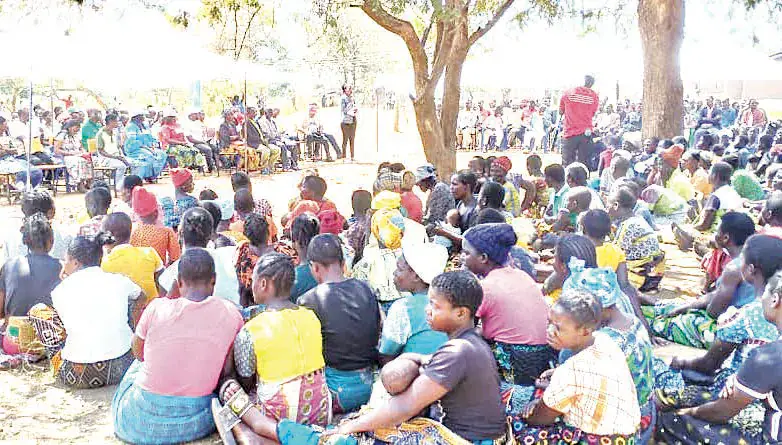
Malawi's flagship social protection programmes have experienced a significant decline in spending, with a 41% reduction in real terms for the 2026-27 financial year. This decrease is attributed to a 27% fall in allocations to the country's two major government-funded safety net programmes. According to the United Nations Children's Emergency Fund (Unicef) Malawi's 2026-27 Social Protection Budget Brief, the allocations dropped from K217.3 billion in the 2025-26 financial year to K158 billion in 2026-27.
The decline in social protection spending is concerning, especially for a country like Malawi that faces significant development challenges. The country's social protection programmes aim to provide a safety net for vulnerable populations, including the poor and those affected by poverty. A reduction in funding for these programmes may exacerbate poverty and inequality, ultimately undermining efforts to achieve sustainable development.
The Unicef report highlights the need for increased investment in social protection programmes to address poverty and inequality in Malawi. The report notes that social protection is critical for promoting economic growth, reducing poverty, and improving human well-being. In Malawi, social protection programmes have been shown to have a positive impact on the lives of beneficiaries, including improved health and education outcomes.
The decline in social protection spending is also likely to have a disproportionate impact on vulnerable populations, including children, women, and the elderly. These groups often rely heavily on social protection programmes for support and are more likely to be affected by poverty and inequality. As such, it is essential that the government prioritizes social protection spending to ensure that these vulnerable populations receive the support they need.
The reduction in social protection spending is part of a broader trend of decreased government spending on social services. In recent years, Malawi has faced significant economic challenges, including a decline in revenue and an increase in debt. These challenges have forced the government to make difficult decisions about spending priorities, with social protection programmes being one of the areas affected.
Despite the challenges, there are still opportunities for the government to prioritize social protection spending and ensure that vulnerable populations receive the support they need. The Unicef report recommends that the government increase investment in social protection programmes and explore new funding sources to support these initiatives. This could include partnering with development partners, civil society organizations, and the private sector to leverage additional resources.
The government has not yet commented on the decline in social protection spending or its plans for future investments in these programmes. However, it is clear that social protection remains a critical component of Malawi's development agenda. As the government continues to navigate economic challenges, it will be essential to prioritize social protection spending and ensure that vulnerable populations receive the support they need to thrive.
Key points
- The decline in social protection spending may exacerbate poverty and inequality in Malawi.
- Vulnerable populations, including children, women, and the elderly, are likely to be disproportionately affected by the decline in social protection spending.
- The government must prioritize social protection spending and explore new funding sources to support these initiatives.
Reporting sources
- Malawi Social protection spending down 41% · The Daily Times