In Dedza District, Malawi, 40-year-old Maryam Kafausiyanji is struggling to feed her family of seven. Despite harvesting 18 bags of maize in May 2026, she had to hand over six bags to settle her debt and sold another four to pay for household essentials and school fees. This left her with just eight bags, barely enough to sustain her family until the next harvest. Her situation is not unique, as many smallholder farmers in Malawi face similar challenges.
Kafausiyanji's debt trap began when she borrowed a 50-kilogramme bag of maize from a local vendor at the start of the lean season. The agreement was to return two bags after the harvest, equivalent to a 100 percent interest rate over six to seven months. This cycle of borrowing and repaying at high interest rates is common among smallholder farmers in Malawi, who often lack access to affordable credit and support.
The Malawi government has increased its agriculture budget significantly over the past five seasons, from K447.7 billion in 2022-23 to K971.3 billion in 2026-27. However, national maize harvests have stagnated, and the country still faces food shortages. The 2026 harvest is estimated to be 3.3 million metric tonnes, short of the 3.5 million metric tonnes required for national consumption.
The Affordable Inputs Programme (AIP) and Farm Inputs Subsidy Programme (Fisp) were designed to support smallholder farmers, but many, like Kafausiyanji, have been left out. Fisp funding increased by 116 percent in 2025-26, but the programme targets only 610,931 direct beneficiaries, leaving millions of farmers without institutional support. Each beneficiary is expected to contribute K50,000 toward a package of subsidised fertiliser and maize seed.
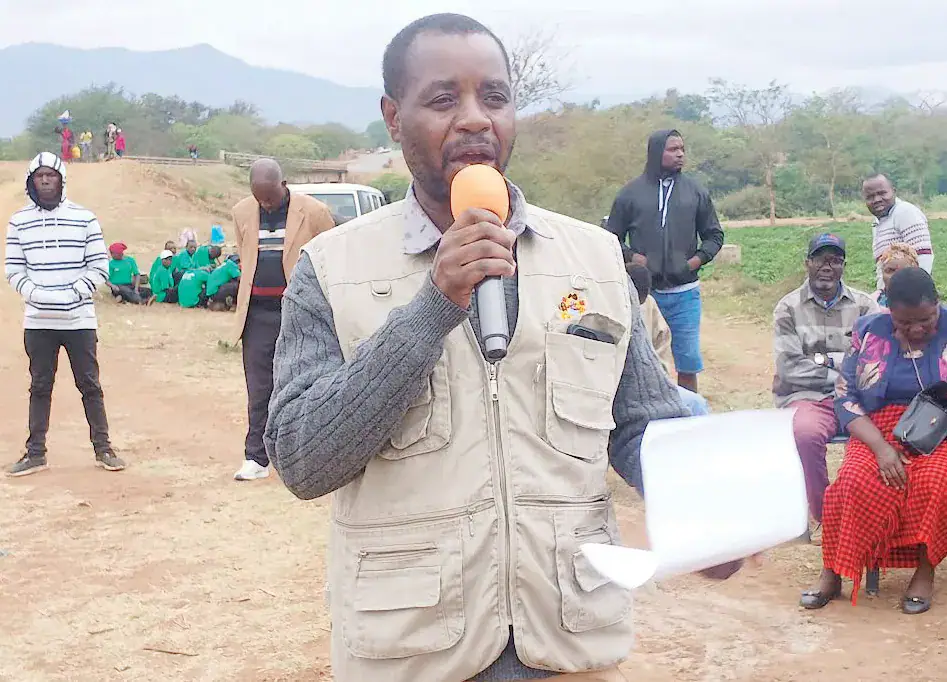
Agriculture policy analyst Leonard Chimwaza warns that the practice of borrowing at high interest rates traps farmers in a cycle of poverty. He proposes civic education on contract farming and fair trading, as well as sensitisation on economic diversification and small-scale businesses. Community member Enifa Sitolo says she is struggling to break the cycle, having borrowed cash to invest in farm production and agreeing to repay the vendor in actual maize.
The cycle of debt and hunger is undermining national development goals, including Sustainable Development Goal (SDG) 1 on No Poverty and SDG 2 on Zero Hunger. It also derails Malawi 2063, specifically Pillar 1 on Agricultural Productivity and Commercialisation. To address this, the government and other stakeholders must work together to provide affordable credit and support to smallholder farmers.
For some farmers, the debt trap has severe consequences, including loss of land. Agnes Chimwala, 49, from Dedza, borrowed two bags of maize in December 2025 and agreed to return four bags after harvest. When she failed to repay, she lost her land, highlighting the need for urgent intervention to address the root causes of this crisis.
Key points
- Malawi's smallholder farmers are struggling with debt due to high interest rates and lack of access to affordable credit and support.
- The cycle of debt and hunger is undermining national development goals, including SDGs 1 and 2.
- Urgent intervention is needed to address the root causes of this crisis and provide support to smallholder farmers.
Reporting sources
- Katapila: the loan that eats the harvest · The Daily Times