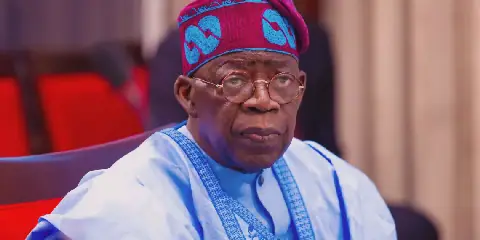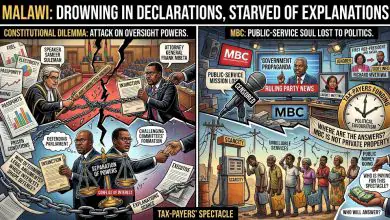
Malawi's President has been absent from public view for an extended period, sparking concerns about the discharge of executive responsibilities. The President's absence does not necessarily imply incapacity or a constitutional crisis, but citizens need clear assurances that the government is functioning effectively. The Public Affairs Committee's recent intervention has brought fresh momentum to the debate, emphasizing the importance of constitutional continuity.
The cancellation of the mid-term budget review meeting has raised concerns about transparency and accountability. The review is crucial for assessing revenue performance, expenditure, and emerging priorities before the financial year ends. The government claims that resources are needed to address the looming El Niño threat, which could threaten food security, livelihoods, and economic stability. However, the public has not received a clear breakdown of how El Niño funds will be used.
The government has reportedly mobilized K163.7 billion for El Niño preparedness, but a funding gap of K324.8 billion remains. The public needs to know how much of the funds come from the 2026/27 national budget, existing programs, and development partners. This information is crucial to understanding which interventions are funded and which remain exposed. The budget review should help answer these questions, but its cancellation has raised suspicions.
The cancellation of the budget review and Parliament's meeting has sparked concerns about the Executive's intentions. The opposition and Parliament may ask difficult questions about the government's preparedness plan, funding gap, and proposed spending. The Executive cannot treat an emergency as a blank cheque, expecting citizens to pay while Parliament looks the other way. Urgency may justify swift action, but it does not suspend the rules governing public expenditure.
Parliament's oversight role becomes especially important in times of emergency. The Executive and Parliament must work together to address the El Niño threat, rather than deepening their confrontation. Malawians facing possible food shortages need preparedness, funding, and results—not another episode in the political drama of institutional mistrust.
The government must explain how executive responsibilities are being discharged, publish a detailed breakdown of El Niño funding, and account for the cancellation of both the budget review and Parliament's meeting. Parliament, in turn, must obtain the information needed to safeguard public resources and ensure that emergency measures deliver results. The President's private life is not the issue; the public needs assurance that the State is functioning and money is being handled lawfully.
A government confident in its constitutional arrangements and emergency plans should have nothing to fear from providing answers. Malawi should not have to guess how it is being governed. Official communication exists to provide facts before speculation fills the vacuum—not to confirm rumours after they have travelled the length and breadth of the country.
Key points
- The Malawian government faces pressure to provide transparency on President's absence, El Niño funding, and budget review cancellation.
- The cancellation of the budget review and Parliament's meeting has raised concerns about the Executive's intentions and accountability.
- The government must provide a detailed breakdown of El Niño funding and account for the cancellation of both the budget review and Parliament's meeting.