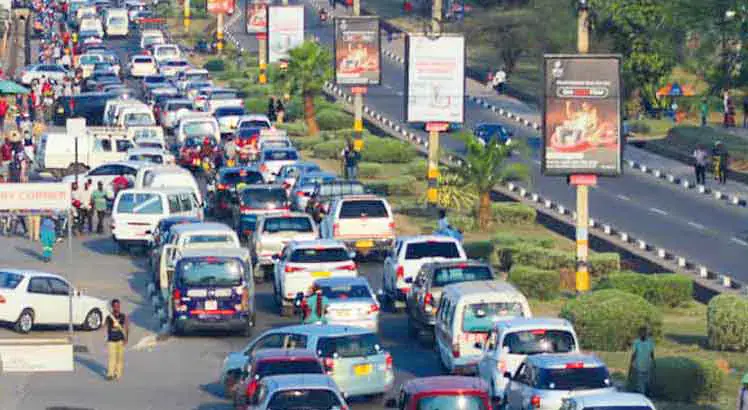
A fuel crisis in Malawi has taken an unexpected turn, with filling stations transforming into makeshift camps where motorists are spending nights. The crisis, which has lasted for two months, has been attributed to a shortage of fuel in the country. As a result, hundreds of motorists have made their vehicles their temporary homes, with some even describing the experience as a "national camping exercise."
The situation has been further complicated by the role of local leaders, including the Mayor of Kabula, who has taken on the responsibility of managing fuel queues and protecting motorists from queue-jumping opportunists. The mayor's efforts have been praised, with some suggesting that he should also be responsible for sourcing fuel. The government's handling of the crisis has been criticized, with some questioning the accuracy of timelines provided by officials.
The Honourable Minister of Energy, John Thamanga, had previously assured the nation that the fuel crisis would be resolved within a specific timeframe. However, the minister's timeline appears to have been at odds with the reality on the ground. The crisis has led to a shortage of petrol and diesel, with some blaming the government's policies for the situation.
Despite the challenges, the fuel crisis has had some unexpected benefits. Filling stations have become vibrant centers of social interaction, with complete strangers bonding over discussions on politics, football, and survival strategies. The government has been credited with transforming forecourts into community-building hubs, promoting national integration.
The environmental impact of the crisis has also been noted, with a significant reduction in carbon emissions and engine wear and tear. The authorities have effectively reduced fuel consumption by ensuring vehicles remain stationary for extended periods. Environmentalists are likely studying this unusual model, where reduced fuel usage is achieved by simply not having fuel available.
The crisis has also had educational benefits, with citizens becoming experts in public transport geography. People who previously relied on private vehicles have discovered new minibus stages and routes, fostering a greater understanding of the country's transport network. The experience has been particularly enlightening for those from rural areas, who have gained knowledge about previously unknown destinations.
While some have called for the minister's resignation, others have praised his innovative approach to public administration. The minister's strategy of using promises and press briefings to manage the crisis has been seen as a unique solution. However, others remain skeptical, arguing that a more effective solution is needed to address the fuel shortage.
Key points
- The fuel crisis in Malawi has led to an unusual tourism initiative, with filling stations becoming makeshift camps for motorists.
- The crisis has had unexpected benefits, including social interaction and community building, as well as reduced carbon emissions.
- The government's handling of the crisis has been criticized, with some questioning the accuracy of timelines provided by officials.